مجموعة أسلاك 32AWG (0.03 مم²)

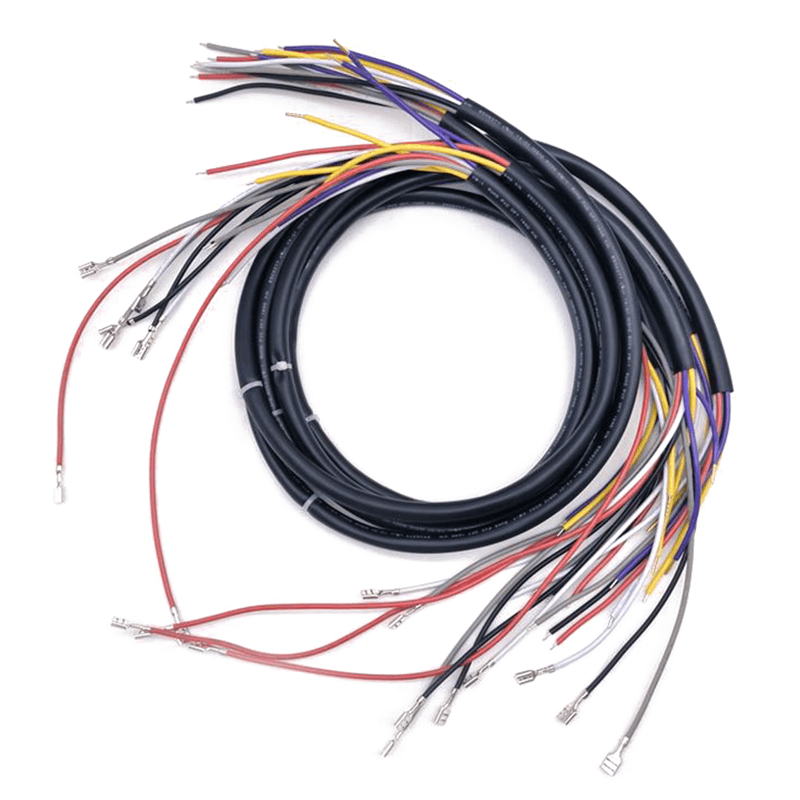
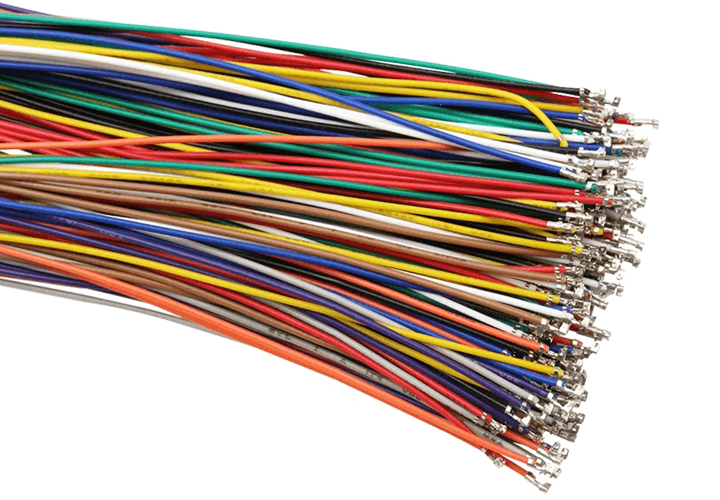
Our 32AWG (0.03mm²) wire harnesses make your complex wiring easy to manage. It is best even for the most space-critical designs. These harnesses are designed for top durability.

Super thin wall wires terminated

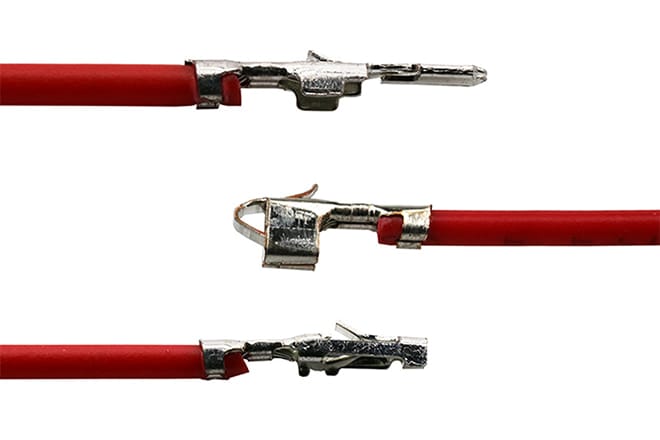
To save space, a 32AWG (0.03mm²) wire harness uses ultra-fine conductors (about 0.032 mm²) and very thin insulation, which is sometimes calledmo "thin-wall" jackets. After being stripped, crimped, or soldered to small terminals, the small wires are put together with sleeves or jackets. These harnesses are a lifesaver for electronics and instruments that have to move around in tight spaces with cables. 32 AWG wires are a great choice for small devices because they are very flexible and light. These tiny wires can carry a reliable signal or low-current power transmission when they are properly terminated. We use only the best microminiature connectors and support parts when we design our custom wire harnesses. This makes sure that they will last a long time, be flexible, and be ready for any use, whether it's in medical or automotive systems.
Attention of 32AWG wire crimping

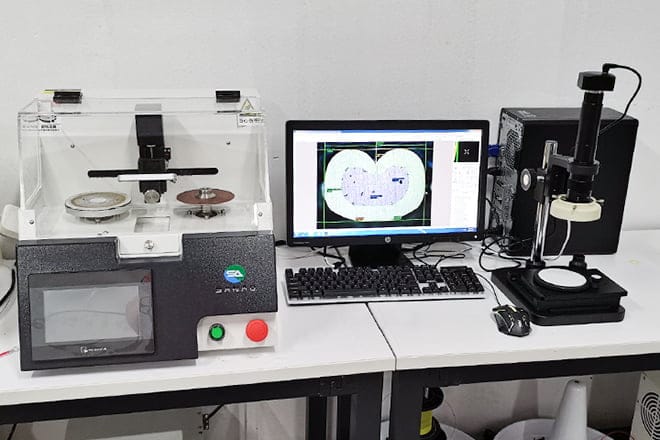
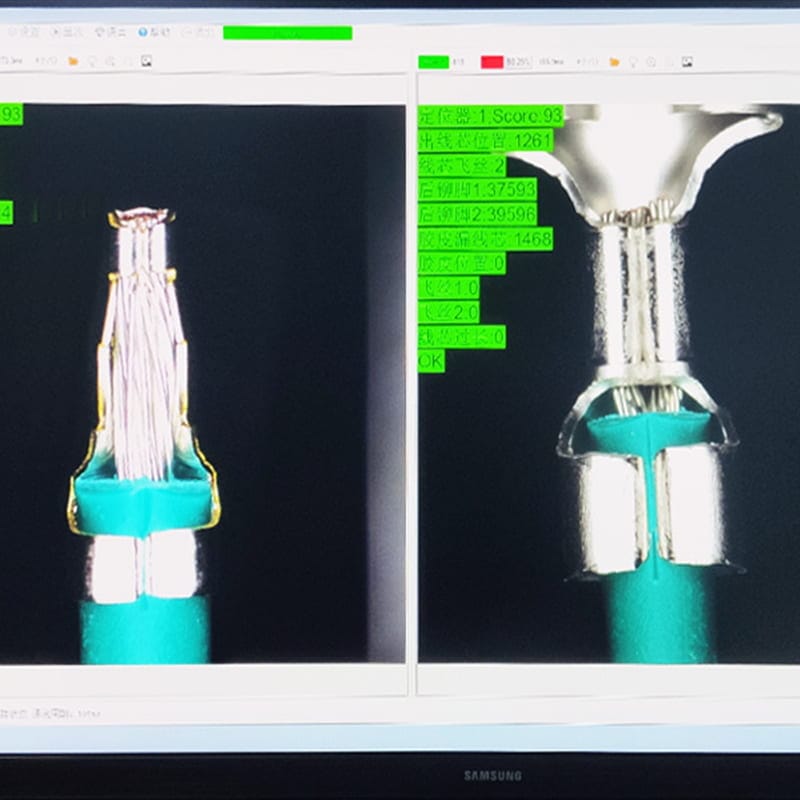
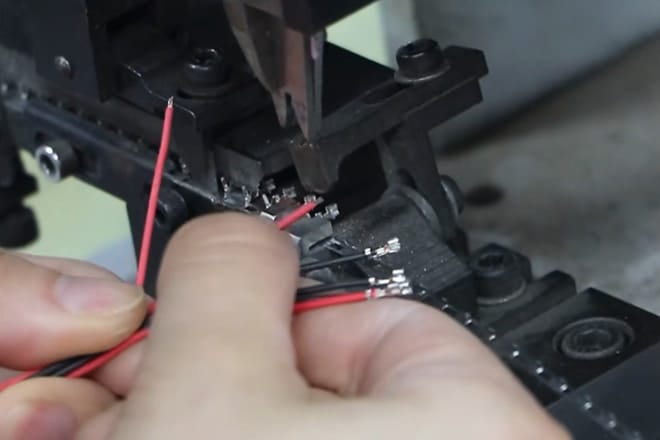
Crimping 32AWG wire requires skill. These wires are very fragile and can be easily damaged if you're not careful. Before crimping, you need to be very careful to line up each tiny conductor with its terminal. We use magnification and precision tools to place each core wire with pinpoint accuracy. After crimping, each 32AWG crimped junction is carefully checked, often with a microscope, to make sure the height and contact are correct. This thorough inspection stage finds problems early, whether it's done by hand or by a machine.

Hand-Crimping terminals

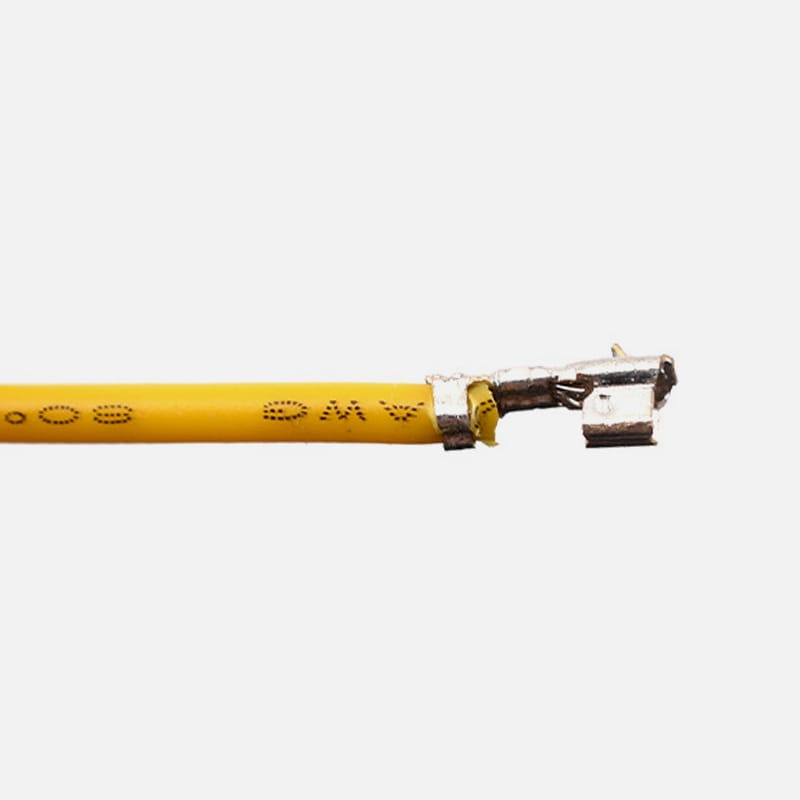
Using special tools with very small tips, our skilled experts hand-crimp the smallest wires. When checked visually and by touch, precision hand crimping guarantees an accuracy rate of 99.9 percent or higher. After stripping and putting each 32 AWG wire into the termination pocket, professionals use calibrated pliers or semi-automatic tools to crimp the wires. Because the wires are so small, we often use fine-point pinchers or microscopes to line them up and hold them in place. We check to make sure that the insulation isn't pinched and that the crimp height is right before we say that each hand-crimped junction is done.

Fully- automatic crimping

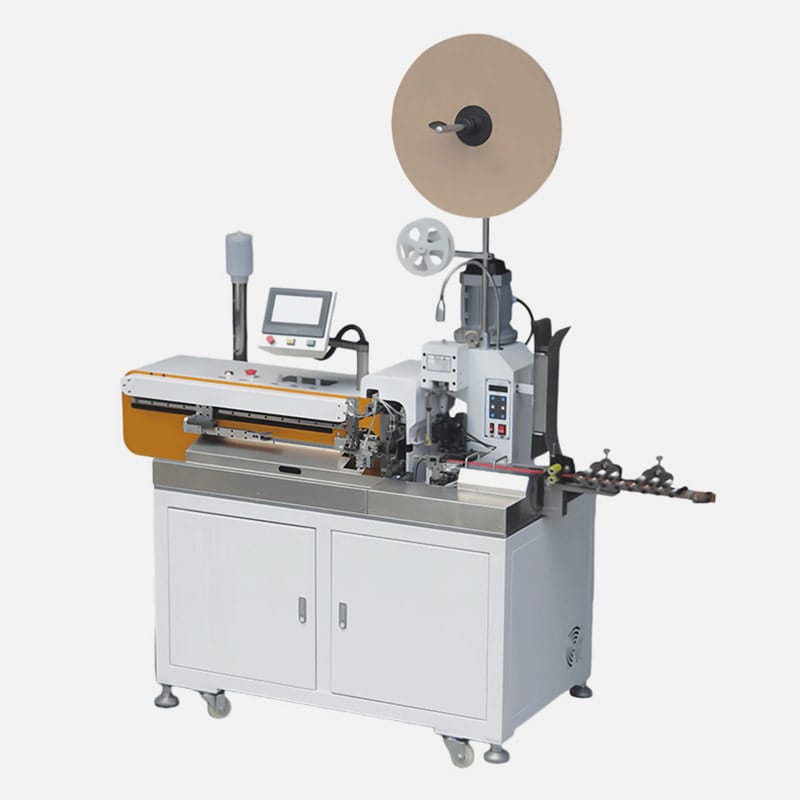
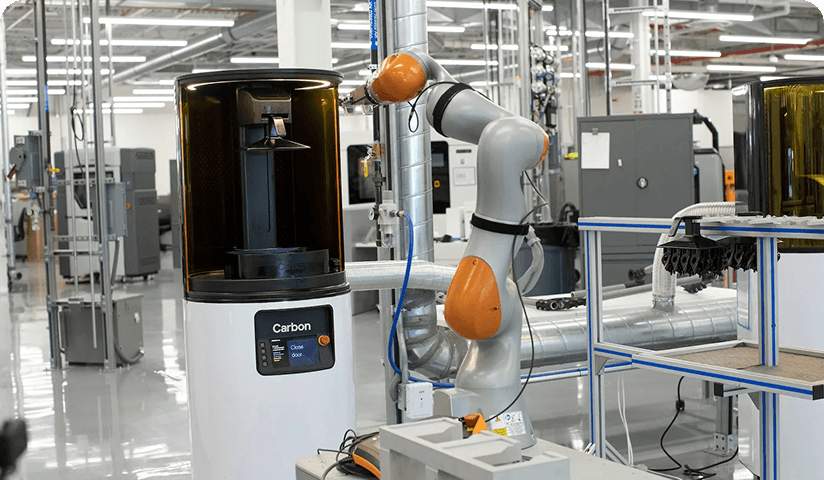
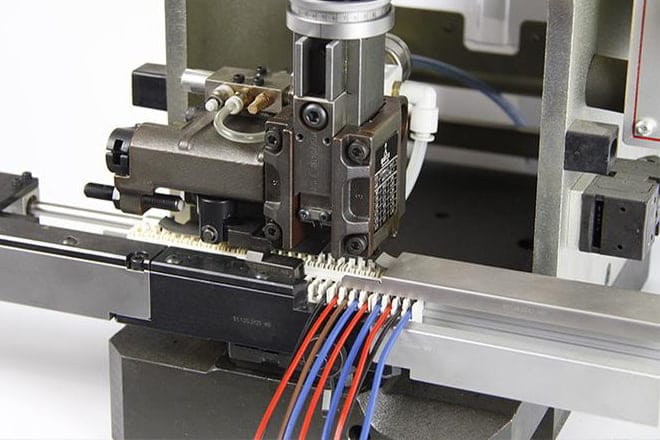
Automatic crimping machines can also work with 32AWG wire if they have force monitoring and special dies. These tools carefully cut off any extra wire by putting steady pressure on it. A machine can crimp thousands of wires in the same way, and it does so quickly and reliably. In fact, modern automated crimpers with force-feedback find about 92% of crimp mistakes right away, compared to 68% when using manual tools. Our equipment has the exact terminal specifications for each connector programmed into it. After that, the robotic system checks each automated crimp for wires, pull strength, and other things before letting go of the wire.

Terminals hook protect

Without protection, terminal ends can get caught and bent during assembly and transport. We often use plastic hooks or rubber boots to cover free terminals on smaller 32AWG (0.03mm²) wire harnesses. These "hook protectors" click onto the terminal hooks to keep them safe. The hooks are mating characteristics. The shields keep the terminals from getting tangled up with other tools or cables, and they also keep the contact surfaces from bending. We use adhesive strips or foam to hold the terminals in place, and we are very careful with each wire during production. To keep the terminals flat until they are installed, small zip ties or harness clamps are used to hold the bundle in place during handover.

Inspection of small wires

There must be a lot of checks on assemblies with 32AWG wire. We use high-magnification cameras and microscopes to look at each solder connection or crimp up close. You need to use zoom lenses to look at the finished product because the small wires and terminals are hard to see without them. We check the cladding on each wire for any signs of damage, like nicks or pinches, and we also check to see if there is an insulating stripe. Pull tests find out how much terminal retention a sample of crimps has, while continuity tests make sure that every microconductor is connected correctly. IPC/WHMA-A-620 says that electrical testing and visual checks under magnification must always be part of the final inspection process.

How to improve the small terminals working efficiency

To work with 32AWG well, you need to practice, have the right tools, and follow a clear set of steps. Before anything else, make the work area easier to use by setting up ergonomic workstations and benches just for microscopes. Second, sort the wires by color and label them before building. Lastly, for batch-processing 32AWG (0.03mm²) wire harnesses, use 32 AWG mechanical strippers and fine-wire cutters to cut and strip all of the wires at once. Finally, when you put wires into connections, use jigs or fixtures to hold them still.

Expert hand crimping 99.9%+

Technicians with the right skills are worth their weight in gold. Because 32AWG operation is mostly done by hand, operators need a lot of training. When they practice with trial 32AWG (0.03mm²) wire harnesses, they "feel" the right amount of crimp force. We keep track of the success rate: our line's great hand-crimping always beats 99.9% of good connections. Tools like go/no-go gauges make sure that the crimp height is within ±0.05mm, which gets rid of almost all cases of under- or over-crimping. If a problem is found, the wire is quickly reconnected. This means that almost every 32AWG join that is hand-crimped will be up to code the first time. This skill is very useful and helps keep hand assembly efficient by cutting down on the time spent on rework, which means you'll save a lot of time fixing things.

Fully automatic machine

As the amounts grow, we use machines that work on their own. Our custom crimping machines come with sensors and very fine dies that are made just for small terminals. They end dozens of lines every minute while feeding spools of 32AWG wire nonstop. If the crimp height or force is too high or too low, the machine will throw it out. The throughput is much higher than with human labor, and we can run many machines at once. Force-feedback devices can find problems right away, like jaw misalignment and wire jams. These devices find mistakes quickly because they use inline vision or pull testing. Statistics show that automated methods find about 92% of faults in real time. This system will let through 32AWG (0.03mm²) wire harnesses that are less likely to break.

Enlarge inspection

We can get more work done by making our inspections bigger. The practical effects are more automation in inspections and better optics. We put HD cameras above the assembly bench, and for the most important steps, we use microscopes. The software checks the pictures to see if the crimp is strong or the wire is in the right place. Pointing out mistakes right away can help you save time and energy. Inline continuity tests are also done on all circuits. Automatic inspection fixtures, like an illuminated sensor box, make it easier for even new workers to find mistakes faster by surrounding the wires. The main goal of "enlarging" inspection is to use technology to find even the smallest mistakes. The assembly workers can do their jobs with confidence, and the time it takes to put things back together is shorter.

Wire and terminals recomendation

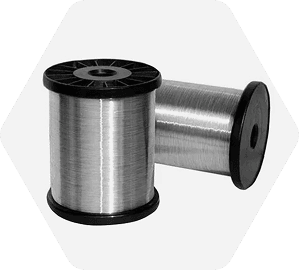
Choosing the right cables and connectors is very important. We suggest using flexible copper conductors that have been coated with tin for 32AWG (0.03mm²) wire harnesses. Tin plating stops oxidation at normal working temperatures. This stops the contacts from rusting and makes it easy to crimp and solder them. The bare copper wire is cheaper, but it rusts quickly and is hard to solder. A good rule of thumb is to use wire that is plated with tin. Wires that are insulated with PVC or FEP come in many colors so that they can be seen.

Tin, Bare copper

PVC, FEP, TPE

small terminals

small pitch terminals

Tin, Bare copper

Small conductors need to be tin-plated in order to get good results. According to industry data, tin is the best material for plating fine wires. It not only makes soldering and crimping easier, but it also resists oxidation up to about 150°C. In other words, wires with a tin coating don't rust and still make good electrical contact. On the other hand, it may be impossible to crimp bare copper wires correctly because copper oxide builds up on their surfaces. Micro harnesses almost never use bare copper unless they are going to be soldered right away. Using tin-coated copper ensures that 32AWG (0.03mm²) wire harnesses will last for many years without any problems.

Insulation PVC, FEP, TPE

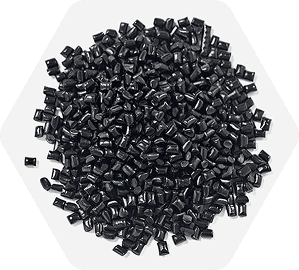
The insulating material has an effect on both flexibility and durability. PVC insulation is easy to use and flexible, which makes it easy to bundle wires. PVC can handle mild chemicals and heat, but it isn't as strong as other polymers when it comes to high-flex or high-temperature uses. FEP (Teflon) insulation is a high-quality option that can handle high temperatures, chemicals, and bending over and over again without breaking down. FEP is a great material for aircraft or lab equipment because it lasts a long time. Thermoplastic elastomer, or TPE for short, is another modern choice that is strong and flexible, like rubber. TPE cables can bend and take a lot of mechanical stress better than PVC cables.

JST, Molex, Hirose small terminals

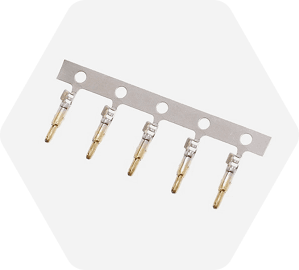
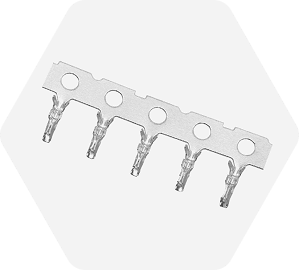
We pick small connector families from top brands to use in micro wire harnesses. JST and Molex make small, compact, and shell-free wire-to-board and wire-to-wire connections under a number of brand names, such as PH, SH, and MicroMatch. Hirose also makes very small connections for 32AWG leads that work with FPC or very small ribbon cables. In tight spaces like electrical enclosures, these micro- and miniature-connectors are a must-have. The strong latch designs and tight crimps make their size not a problem. All of the suggested terminals are made of high-quality materials, like brass or copper alloy plated with tin. This makes sure that they will crimp securely onto 32 AWG wire.

0.3, 0.5 , 0.8 small pitch terminals

Pitch, or the distance between terminals, is just as important as brand names. For fine-pitch connections, we can handle terminals with pitches as small as 0.8 mm or 0.5 mm. In the most extreme cases, like with some FPC connectors, we can even handle pitches as small as 0.3 mm. You can wire a dense system with these very small connectors. For the smallest FPC cables, some custom harnesses use 0.3 mm pitch backflip connections or 0.5 mm pitch "micro JST" pins. Our 32AWG (0.03mm²) wire harness can connect to terminals that are too small for standard wires, even though it takes very precise tools to crimp such small terminals.

الصناعات والتطبيقات

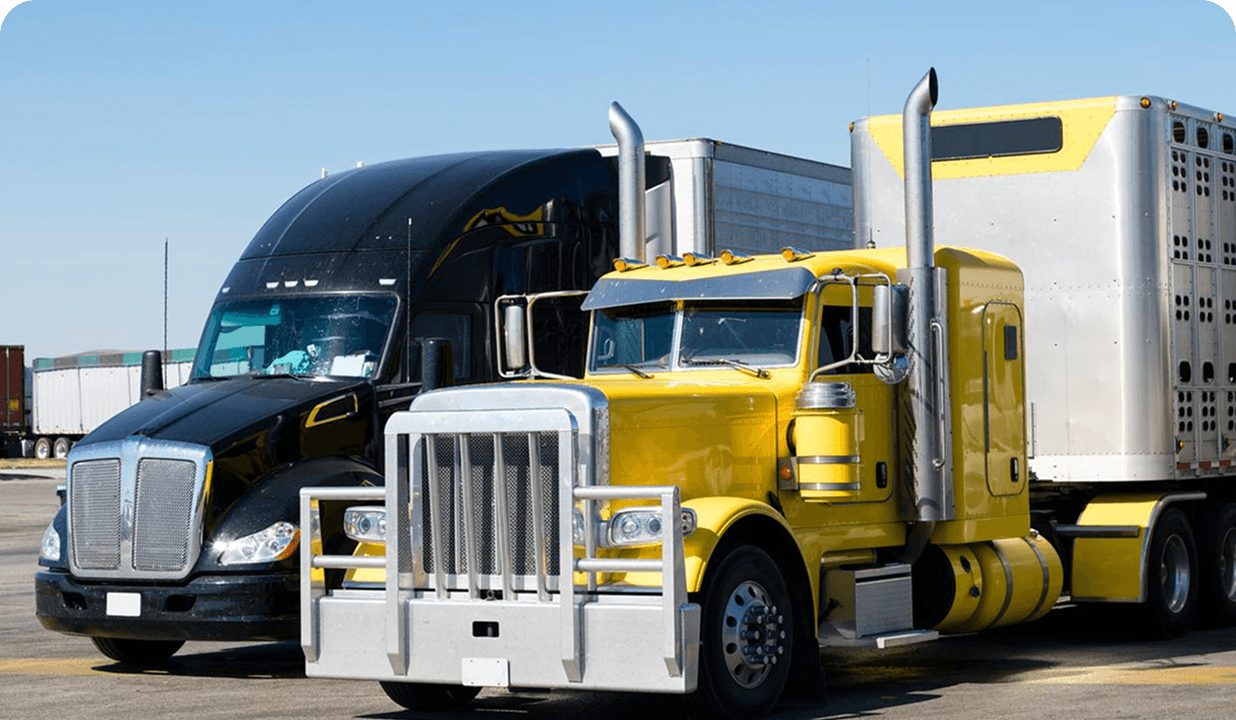
Automotive and Transportation

Cars, trucks, and trailers use wire harnesses. They send power and signals. These signals control lights, sensors, and cameras. Thin 32‑AWG harnesses fit in small spaces. They connect engines and dashboards. They also support entertainment systems. Vehicles face heat and vibration. The wiring must stay strong and safe.

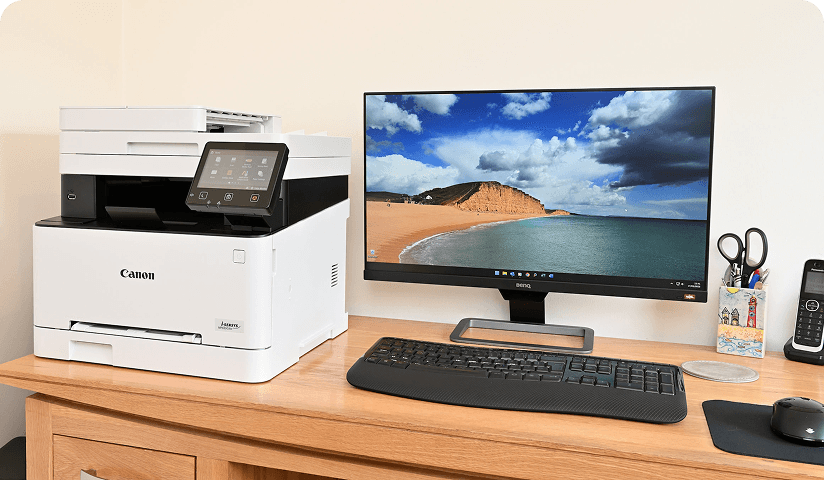
Electronics and Consumer Devices

Computers and printers use tightropes. They are even used in medical equipment. These wires connect circuit boards and sensors. Organizing cables neatly improves performance. They also make repairs easier. Video and audio systems can work with thin-wire systems .

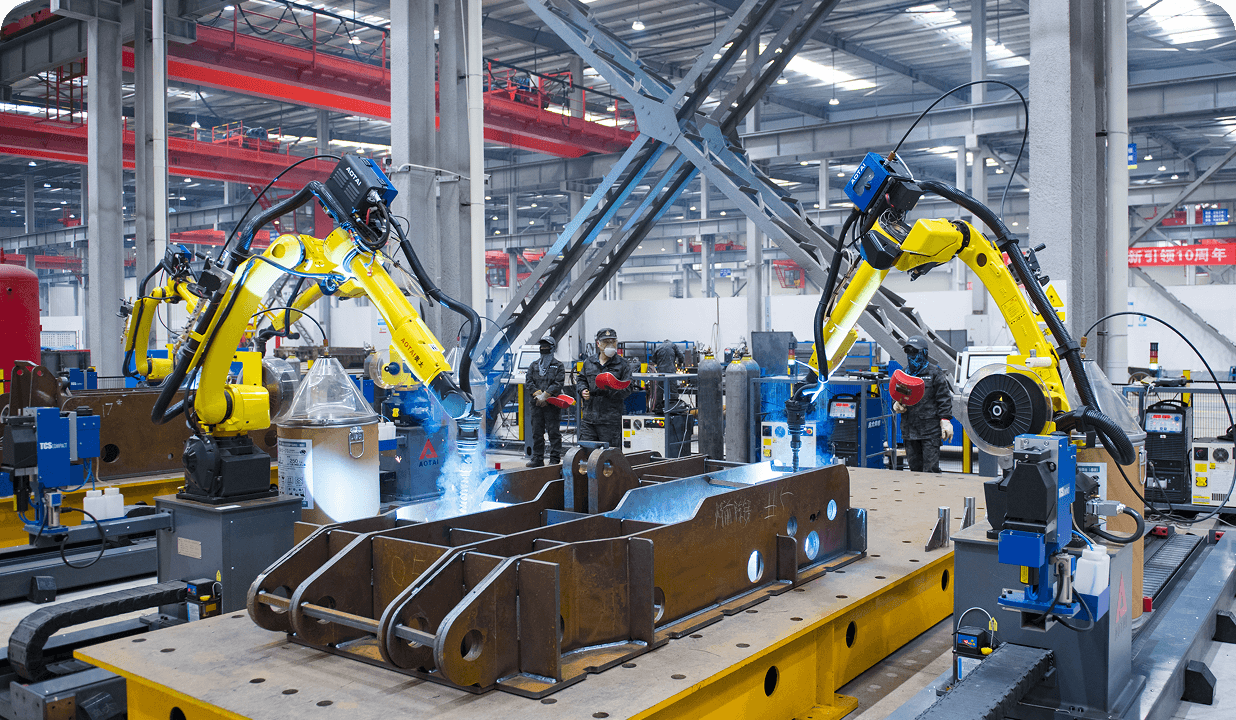
Industrial and Heavy Machinery

Factories use 32AWG (0.03mm²) wire harnesses to connect machines. They link motors, sensors, and controls. Flexible wires move without breaking. This helps robots work smoothly. Lightweight wiring reduces stress on parts. Protective covers provide extra safety. Cables last longer in dusty, harsh conditions.

Aerospace and Avionics

Airplanes and drones need light wiring. Satellites also require reliable cables. Micro‑harnesses reduce weight. They support navigation tools and sensors. Small connectors save space. Clear labels help during repairs. All wiring must meet strict safety rules.

Marine and Field Equipment

Boats and off‑road machines work in harsh places. Wiring must handle water and dirt. Compact wire harnesses fit tight areas. They connect lights and gauges. Waterproof coatings protect the wires. Corrosion‑resistant materials stop salt damage.

Custom and Specialty Applications

Custom 32AWG (0.03mm²) wire harnesses could be useful for both 3D printers and robots. Wearable and medical devices use them. The designs are flexible and light. They don't take up much space. The project can use any of the harnesses.

Miniature Cable Harness Routing

We make our harnesses so they can fit through tight spaces. The 32AWG (0.03mm²) wire harness is great for small electronics enclosures or chassis frames because it is so thin.

The harness can be securely fastened inside a gadget, even when there isn't much room, using tie wraps or special brackets.

If the harness is pre-formed or made for a certain routing plan, installers can easily snake it through tight spaces or around obstacles.

We offer miniature cable harnesses for routing inside thin device frames, small housings, and smaller chassis. Don't make them fit into tight spaces or wrap them around cores unless you want to add extra weight.

Anti-Breakage Strand Structure

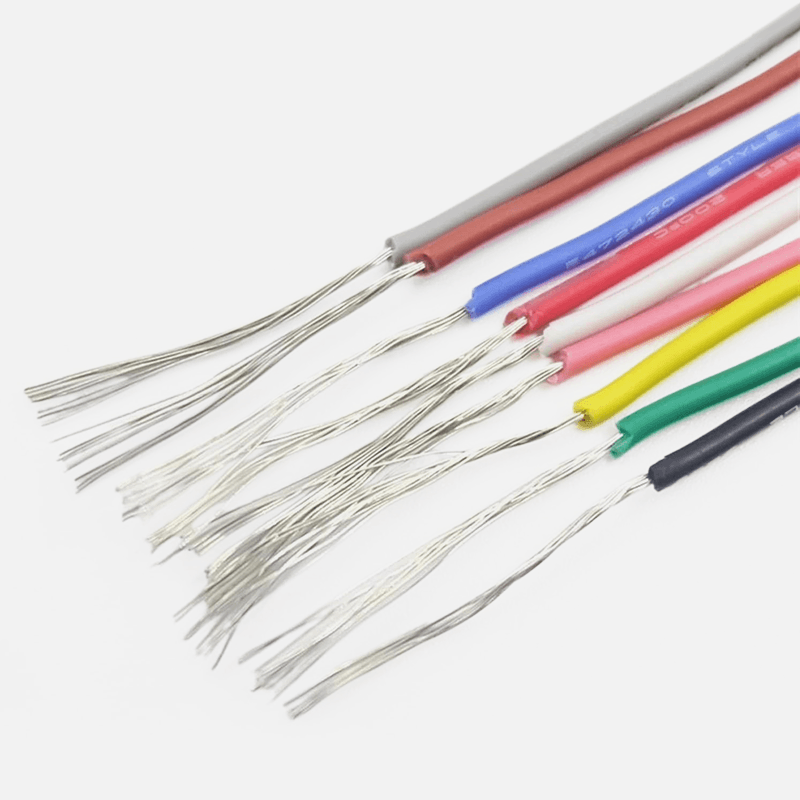
We use fine stranding classes, like Class K or L, to make the wire more flexible and less likely to break. These classes bundle together many small copper strands. A 32AWG conductor is made up of dozens, if not hundreds, of very thin strands. Because it bends more than a solid wire of the same size, this stranded design makes you less tired. We can choose different stranding patterns for applications that involve a lot of movement, like robots or wiring on moving parts. Stranding that is more flexible spreads each bend out over a lot of wires. The micro-harness is made to last longer by being able to bend or vibrate many times without breaking a single strand.

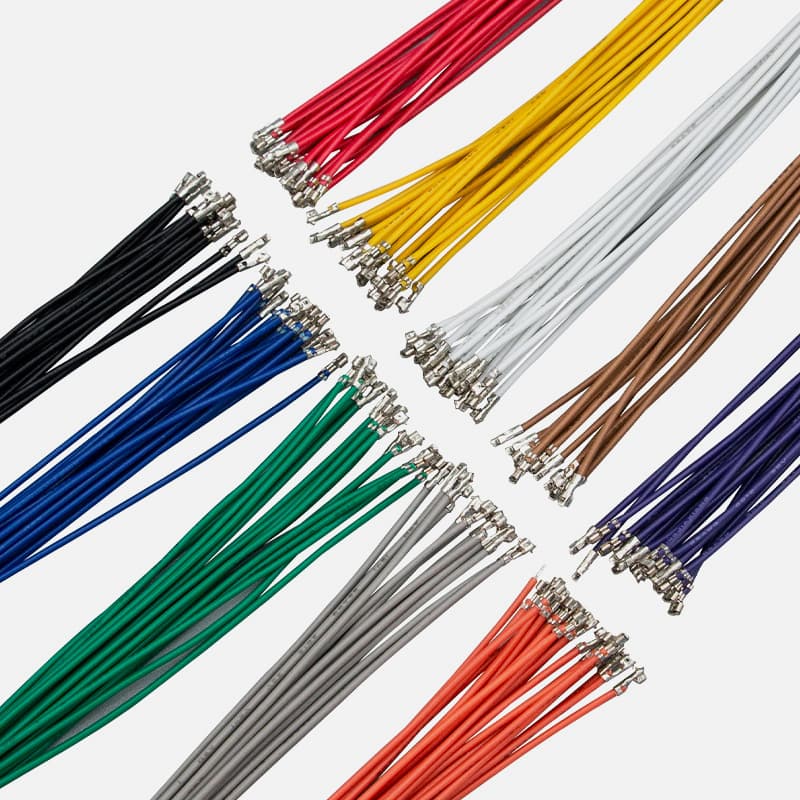
Color Coding & Wire Marking

Color Coding & Wire Marking wire

We give each wire in the 32AWG (0.03mm²) wire harness its own color. Each circuit is given a different color to help assemblers quickly tell them apart. This simple code can help you make fewer mistakes when wiring.

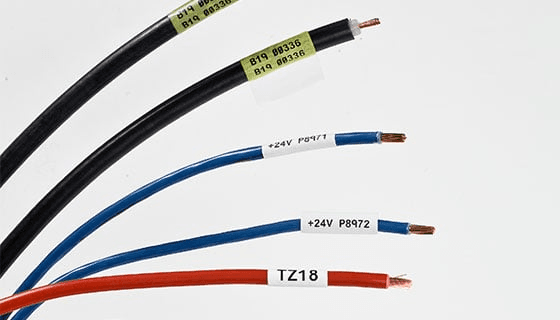
Not only that, but there are also labels or numbers on each cable. We use wire marking tools like heat-shrink markers and thermal-printed labels to write identifiers on the insulation. You can easily see how the ends fit together as you put them together.

For example, studies show that 15% of wiring problems are caused by using the wrong color code. Our multi-color scheme and easy-to-read labels fix this problem. We can also make scanning checks easier by adding barcodes or QR codes to labels.

In general, marking, printing, and color-coding labels for each item makes assembly go more smoothly and without mistakes. Installers make fewer mistakes and can fix problems faster because they don't have to waste time going through cables.

آراء العملاء

We used the custom FPC molded cable assembly in our new device, and it performed flawlessly. Very slim cable, yet strong build. Excellent communication with QL-Custom.

Alice Johnson

Choose QL-Custom for Your 32AWG Harness

QL-Custom Technology Ltd. is the best company to work with when it comes to 32AWG (0.03mm²) wire harnesses. We follow the highest standards for automotive manufacturing from start to finish because we are ISO-registered and working toward IATF16949. You can be sure that every harness we send out meets the IPC/WHMA-620 standards and is fully certified. Our team knows a lot about micro-harnesses, so if you need help with micro connections in tight spaces or a harness for a car, plane, piece of industrial machinery, or any other type of vehicle, we can help. We make prototypes the same day and respond within minutes. In short, our deep knowledge, quick quote turnaround, and strict quality control are all good for you. When you work with QL-Custom, you can expect 32AWG harnesses that are made to your exact specifications and are affordable.