Assemblage de câbles moulés FPC FFC

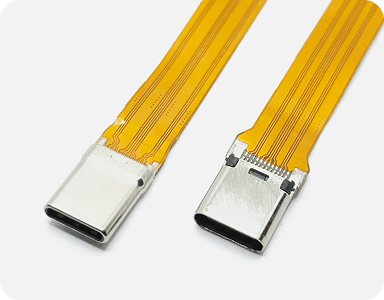
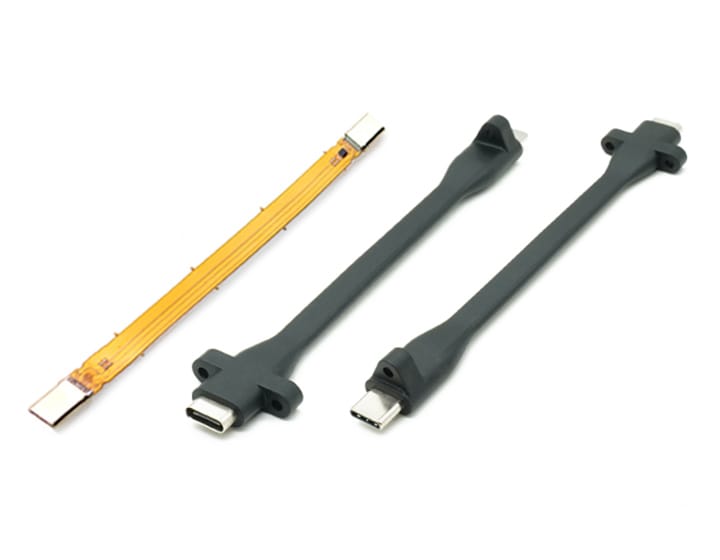
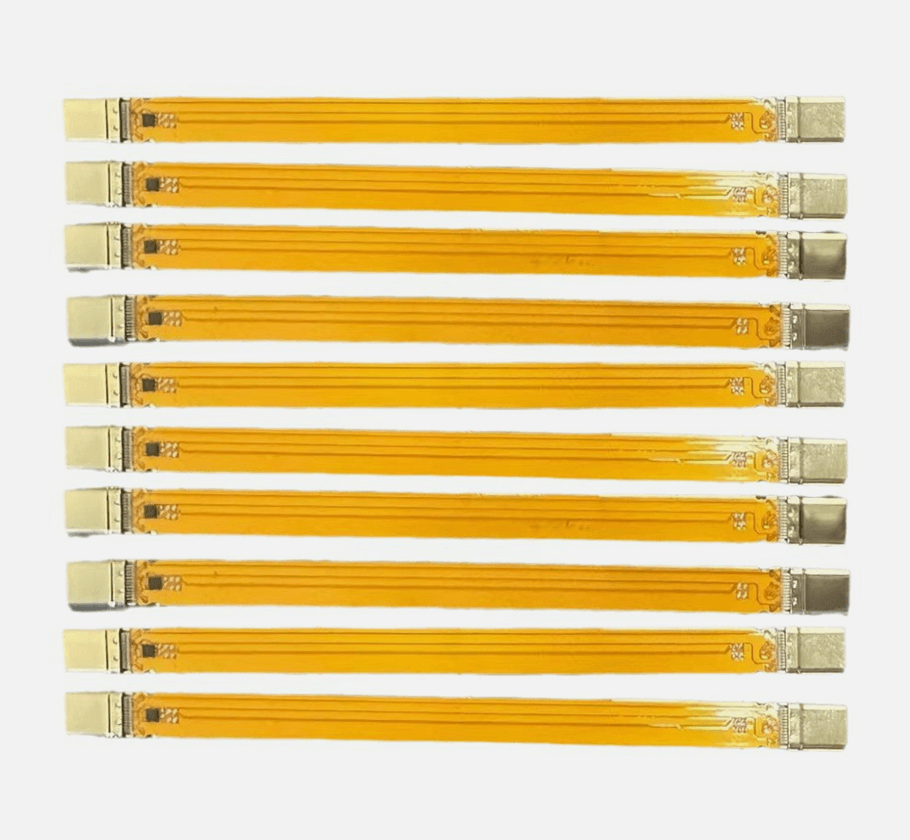
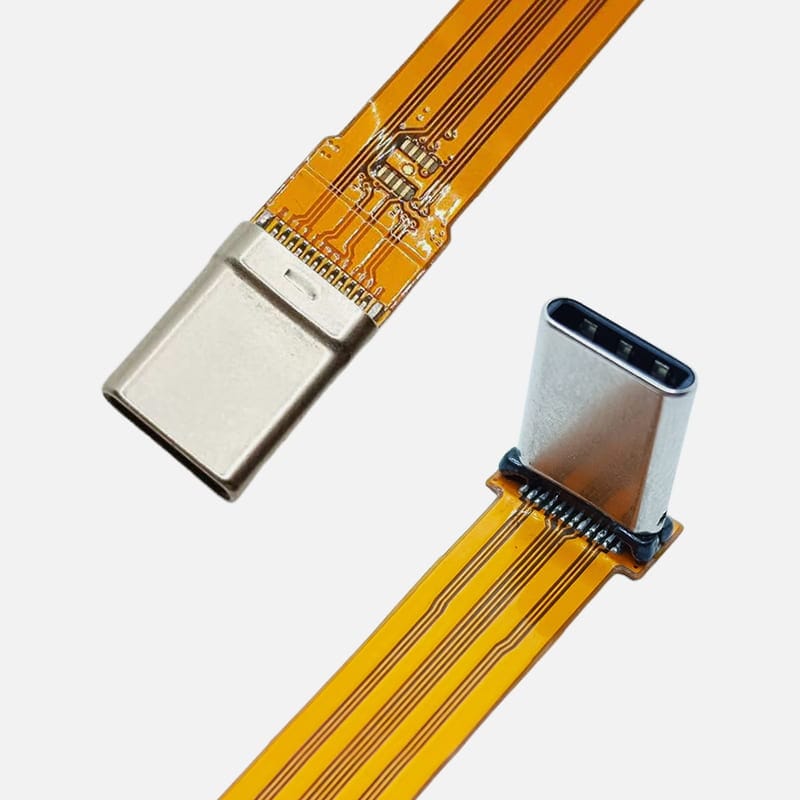
Our custom FPC FFC molded cable assembly solves tight-space wiring challenges. They blend flat flexible cables with molded ends for strength. These assemblies fit electronics with ease.

FFC cable VS FPC cables

FFC cable VS FPC cables

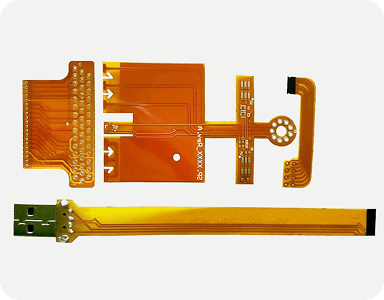
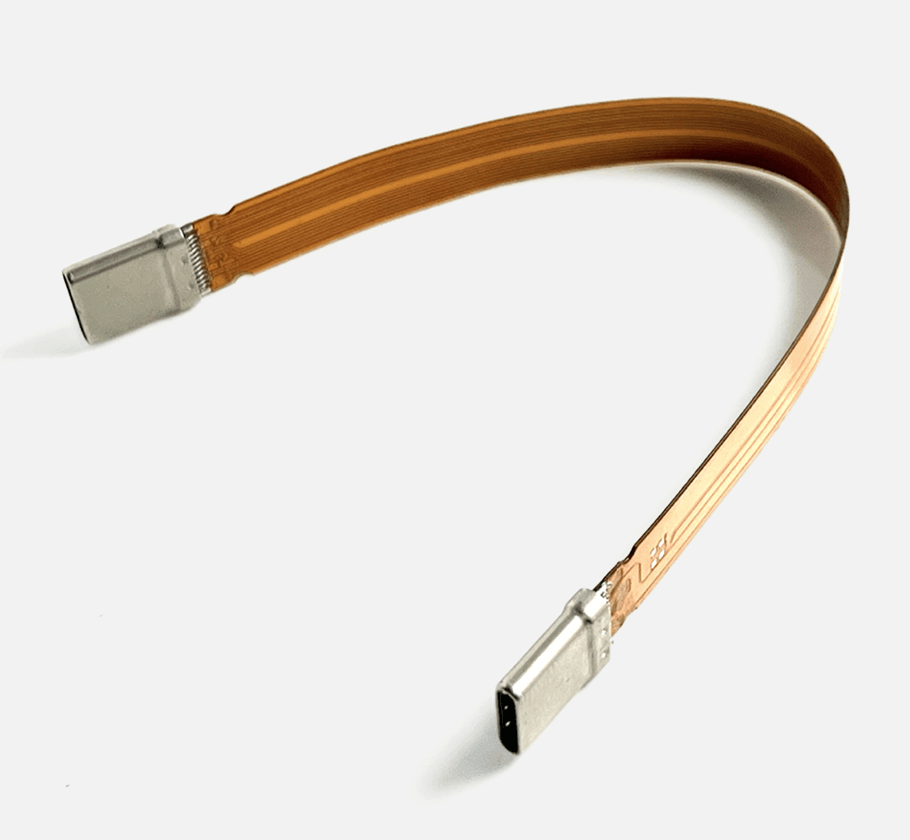
The FPC FFC molded cable assembly and the FFC connector both use very thin plastic bases. An FFC is a flat ribbon of parallel copper wires attached to plastic sheets. Use it for simple, straight connections. A flexible printed circuit (FPC) cable is made up of complex circuits that are etched onto a thin sheet of polyimide with copper traces. A flexible printed circuit (FPC) is like a small printed circuit board (PCB) on a flexible film. An FFC, on the other hand, is just a simple set of point-to-point connections. FFC cables are cheap, so printers and displays often use them. FPCs make it possible to have multilayer circuits in small spaces, but they cost more. Both can be changed, but FPC cables are more flexible and can support more features on mobile devices.
FPC cable advantage

Small space installation

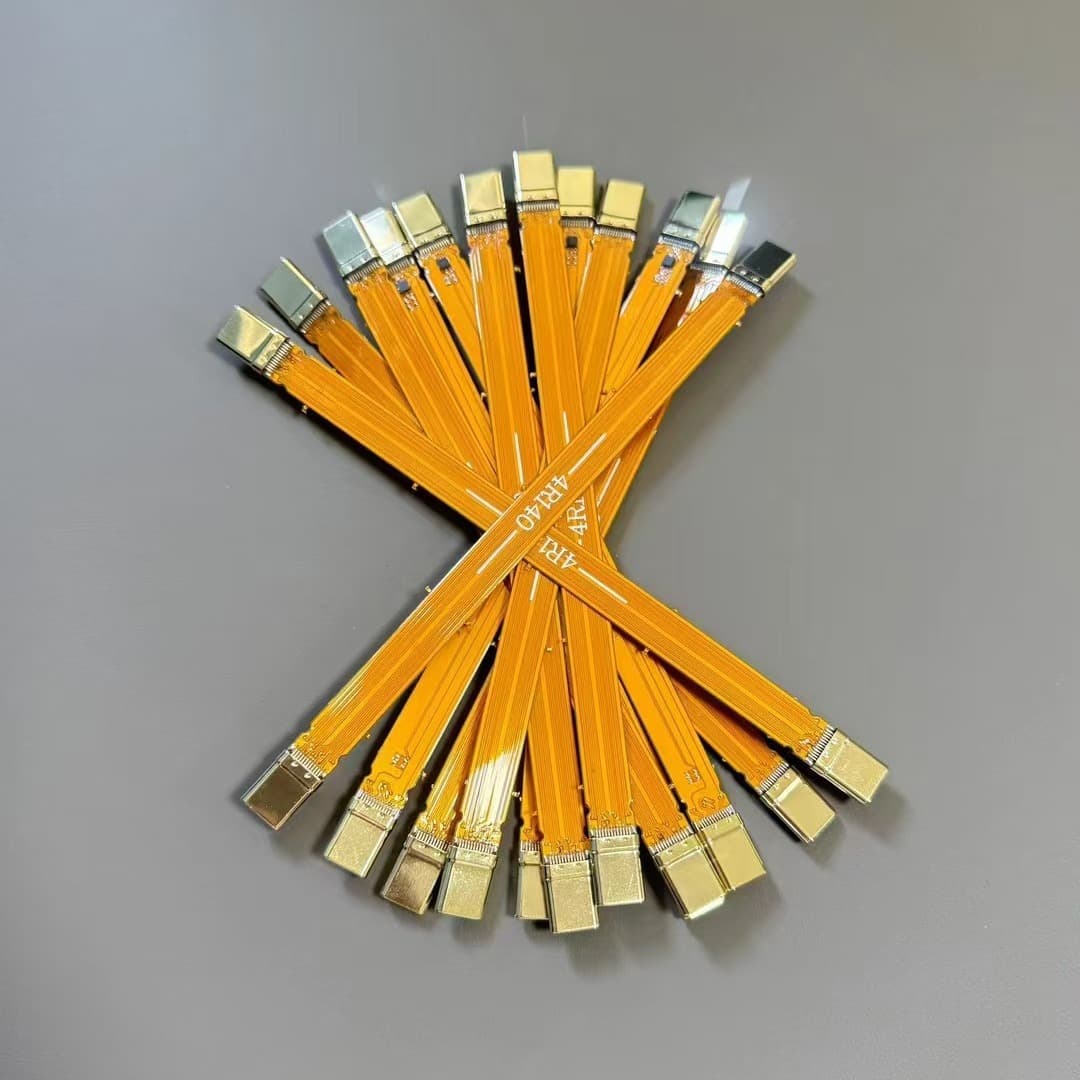
FPC cables are the best choice because they are very thin and flexible. Usually, they are built on a thin sheet of polyimide. Designers can use this to route connections across narrow or winding routes. To make it fit inside thin things, an FPC can be bent or folded. For example, FPC cables are used to connect foldable phones and small cameras without making them bigger. Even complicated wearable gadgets and robots need FPC's small profile to save space. In short, FPC cables are great for high-density cabling in small devices because they can be twisted or folded to fit in small spaces.

Precise design for electronics

FPC cables let you make circuit designs that are very accurate. Printed copper traces and sticky layers let you customize each cable for a specific job. The flex film makes it possible to add components directly and integrate multilayer circuits. Because of this level of accuracy, engineers can make the wire fit specific sensors or interfaces. For example, an FPC can combine several cables into one, such as signal lines, ground planes, and light components. The polyimide base is strong and flexible, and the coverlays protect the circuits from damage caused by soldering.

Reliable electrical transfer

FPC cables are thin and flexible, but they always keep the signal strong. One way to keep copper traces from breaking is to securely laminate them to the substrate with high-quality rolled annealed copper. These copper lines are covered with a polyimide coverlay to keep them from touching each other. They are also often coated with gold or tin to keep them from rusting. You can add electronic interference shielding and protective layers to the FPC FFC molded cable assembly if you want. For example, an FPC FFC molded cable assembly has been shown to bend more than 100,000 times without breaking.

FPC projects study

FPC cables have been shown to be useful in many modern, cutting-edge designs. We have made custom FPC solutions for a number of fields, such as medical devices, automotive sensors, and consumer electronics. You can make small changes to the cable assembly for each project's specific use. Our team keeps track of performance measurements from prototypes so that we can plan future designs. Looking at these projects gives us a better idea of what the FPC can do.

Overmolded FPC

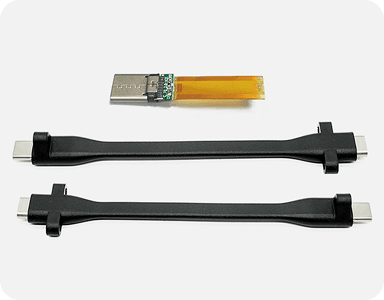
In some cases, we overmold the ends of the FPC FFC molded cable assembly for extra protection. You can "overmold" connectors and cable tails by putting plastic (like PVC or TPU) over them. A strong, sealed link is made. For example, when we put an FPC in a weather sensor, we make the connection into one smooth piece. The molded resin keeps dust and water from getting to the end of the cable. The overmold takes some of the stress off the junction, so the FPC can be bent many times without breaking the trace. The final product is a molded-on cable assembly that is flexible and very strong.

CCD FPC soldering

FPC soldering cables are often used to connect CMOS and CCD image sensors to circuit boards. We know how to solder FPC ends to fragile camera modules. For this, the solder pads on the flex need to be very accurate and well-planned. We'll put solder mask and coverlay on the pad locations to keep bridges from forming. The sensor's pins may fit perfectly with the gold-finger contacts or plated-through holes on the FPC. By changing how we make our FPC FFC molded cable assembly to fit the tolerances of CCD modules, we can make video and picture signals that are of very high quality.

Custom various of FPC cables

We can make almost any type of FPC cable. We have both simple, single-layer cables and more complicated hybrids that combine stiff and flexible layers. We have everything you need, from 50-pin multilayer boards to 6-pin flat flex cables. The maximum board thickness depends on how stiff you want it to be. It can be anywhere from 0.06 mm to 0.4 mm. FR4 or PI stiffeners can be used in places that need more stiffness, like connecting areas or gold fingers. We can also make hollow and separated-layer specialized FPCs, as well as FPCs with specific bend radii. The flex can hold circuits with as many as fourteen layers.

Custom design for FPC cable

Custom design for stamping materials

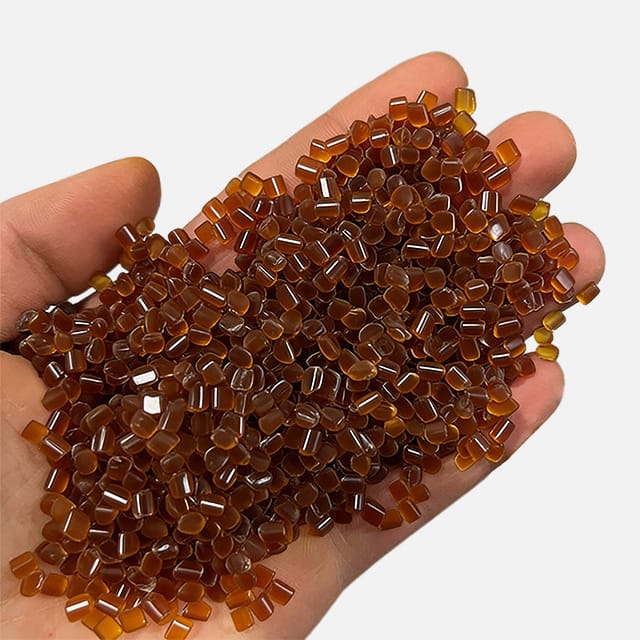
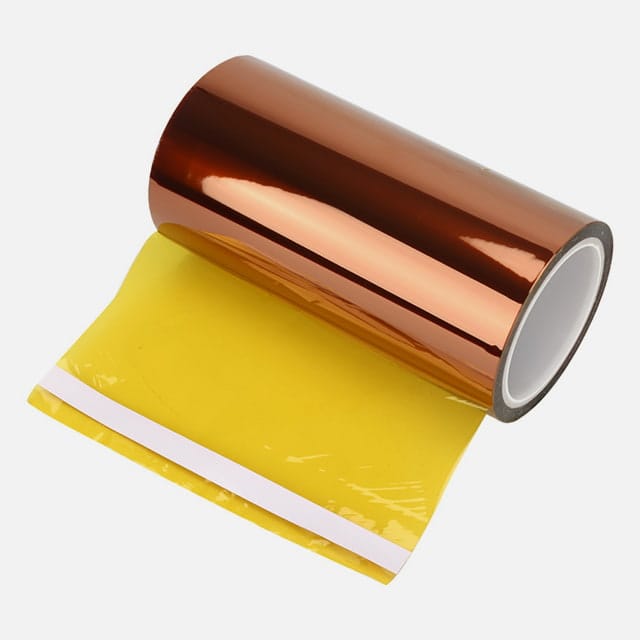
Our FPC cables feature engineered material stacks for performance. The core is a custom-grade polyimide substrate, offering excellent flexibility and high-temperature resistance. We tailor the copper foil's thickness and type (RA or ED) to optimize electrical and bending properties. Advanced adhesive systems and coverlays are selected for perfect lamination and durability. This material customization ensures every stamped FPC component delivers unmatched reliability, precision, and fit for your specific application, from complex interconnects to dynamic flexing.

Copper thickness OEM

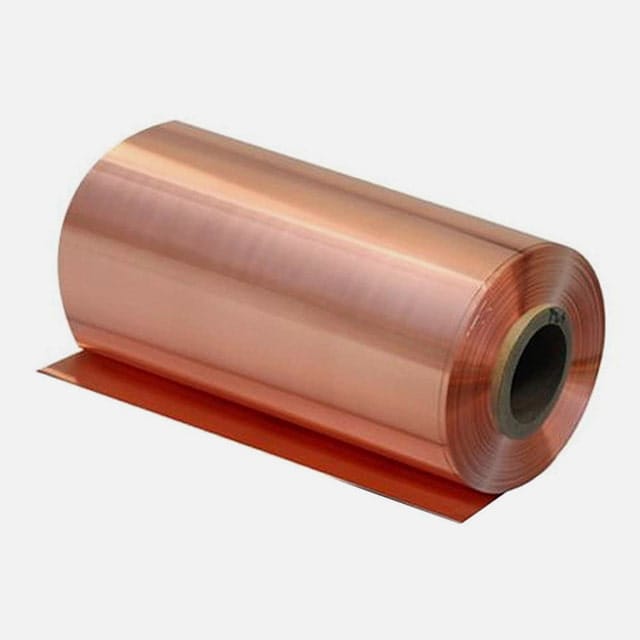
The thickness of the copper foil in an FPC layer can be changed to meet power or signal needs. Copper thickness is usually between 12 and 70 μm, which is a unit of measurement. Thicker copper (like 36 μm or 70 μm) is better for power lines and ground planes because it has less resistance and more current density. The thinner copper (12–18 μm) keeps the wire light and very flexible. We'll work with you to select the copper weight that's ideal for your design's current rating and bending requirements when you choose us as your molded cable assembly manufacturer.

PI layer custom design for FPC

The polyimide (PI) layer in FPC cables is available in various thicknesses. Besides standard options like 12.5 μm, 25 μm, or 50 μm, custom values are available. We offer pure PI sheets without adhesive for high-end designs requiring superior insulation and heat resistance. Thinner PI (e.g., 12.5 μm) maximizes flexibility, while thicker PI (e.g., 50 μm) enhances strength. The coverlay insulation thickness can also be adjusted, typically 12.5 to 25 μm. Additionally, stiffeners for pads or connectors range from 50 to 200 μm for localized reinforcement.

Custom adhesive for FPC layers

We use performance-based specialty adhesives to bond FPC layers. Acrylic glue is great for circuits that bend a lot because it stays flexible even after it dries. For example, acrylic adhesive keeps layers from breaking even after a lot of bending. If your FPC needs to handle higher temperatures or strong chemicals, we can use epoxy-based glues. Epoxy adhesives can handle more heat and make a stronger bond. According to needs of the use case, each FPC manufacturing cycle can use adhesive systems dynamic, high-temperature, or chemical-resistant.

Industries et applications

Automotive & Transportation

Cars, trucks, and drones use FPC cables in screens, cameras, and sound systems. These cables are very thin, which saves space behind panels. FPC FFC molded cable assembly helps cables remain strong during vehicle shaking or vibration. Overmolded ends protect cables from dust, water, and heat inside engines.

Industrial Automation & Robotics

Factories use robots and machines that operate continuously. These machines need cables that can bend many times without breaking. High-flex FPC cables allow smooth movement in robotic arms. Overmolding and strain relief protect the wires from pulling and damage.

Électronique grand public

Phones, tablets, laptops, and smartwatches use FPC cables to connect screens, batteries, and keyboards. These cables bend easily and fit into small spaces. They are very important in foldable phones and small cameras.

Équipement médical

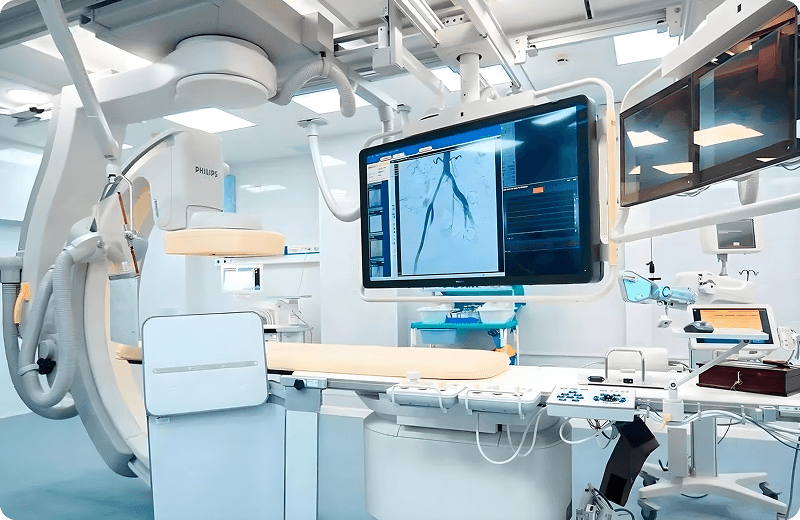
Medical devices such as scanners, monitors, and testing tools use FPC cables for lightweight and compact. These cables connect sensors and moving parts in small spaces. Tools like endoscopes depend on highly flexible wires for precise smooth operation.

Aérospatiale et défense

Airplanes and space equipment require cables that are lightweight yet strong. FPC cables help reduce weight and save space. They connect screens, antennas, and sensors. These cables are built to handle strong shaking and extreme heat or cold. Using lighter cables also helps save fuel.

Telecommunications & Networking

Internet and network equipment use flexible cables to connect parts inside. FPC and FFC cables help transmit data quickly in tight spaces. FPC FFC molded cable assembly keeps cables in place inside racks. This allows systems to run smoothly and safely.

Overmolding Materials for Heat and Chemical Protection

Specialized overmolding materials provide essential heat and chemical resistance for FPC cables, ensuring long-term reliability in demanding environments.

PVC: PVC is a common, flexible, low-cost plastic. It protects cables from wear and normal heat.

TPE/TPU: These materials are very flexible and work well in both hot and cold weather. They resist oil, sunlight, and outdoor damage.

Silicone Rubber: Silicone can handle very high heat and stays flexible in cold weather. It is safe for medical and food equipment. Silicone overmolds protect cables from chemicals, sunlight, and moisture.

Polyurethane (PU): PU is tough and resists oil and wear. It is often used in factories, cars, and outdoor areas. PU overmolds protect cables from fuel, water, and rough use.

Fluoropolymers (such as PTFE): These special plastics resist very strong chemicals and high heat. They are used in labs, airplanes, and space equipment.

Nylon: Nylon is hard and strong. It handles heat well and protects connectors from impact. Nylon overmolds also provide good electrical insulation and fire resistance.

Epoxy and Polyester Resins: These materials harden around parts, locking them in place. They give strong electrical insulation and chemical protection.

Maximize Space & Reliability with Molded Flex Cable Assemblies

Our custom overmolded FFC/FPC assemblies deliver ultra-thin, lightweight solutions with excellent bendability for tight spaces. The integrated molded strain relief secures termination points, enhancing durability against vibration and repeated flexing. This reliable, space-saving interconnect is ideal for advanced consumer electronics, compact robotics, and next-generation portable devices.

From Prototypes to Large-Scale Production

We can help with projects of any size. We carefully test and make samples for our first ideas. If the design gets the green light, production might go faster and be more automated. Well-defined procedures and material standards can help ensure consistent quality. No matter how many wires you need, the end result will be the same as the blueprint. 3D printing and in-house equipment make it easy to make quick changes, and strong quality controls keep the manufacturing process running smoothly.

High-Flex Performance for Moving Applications

Made for bending

FPC cables use special copper and plastic that allow them to bend many times without cracking. Some wires can bend over 100,000 times and still work.

Smart design

Thin cable designs spread stress evenly when bending. Extra support at the ends reduces pulling and damage. This helps signals stay clear during movement.

Multiple layers

Some FPC cables have more than one circuit layer. Strong glue holds the layers together while still allowing the cable to bend. This lets complex cables move without falling apart.

Real-world testing

Cables are tested for use in real applications, such as robots and foldable screens. These tests make sure cables keep working after many bends. This makes them great for printers, robots, drones, and everyday electronics.

Why QL-Custom Technology Ltd. is the Ideal Choice

Choosing the right manufacturer is very important. QL-Custom Technology Ltd. has been in business for more than 20 years and is ISO 9001 certified. We put our customers' needs first and always provide excellent service, clear communication, and support. Our engineers work closely with clients as a team to improve ideas and choose the best materials. We can help you with everything from coming up with an idea to delivering it. Our factory can make both one-off prototypes and huge batches of products. QL-Custom is renowned for its reliable FPC FFC molded cable assembly, which they achieve with the assistance of skilled workers and strict quality controls.

Avis des clients

We used the custom FPC molded cable assembly in our new device, and it performed flawlessly. Very slim cable, yet strong build. Excellent communication with QL-Custom.

John Smith

John Smith

The overmolded end made installation easy, and the connection holds up under constant movement. High quality and durable. Our product reliability improved with these cables.

Maria Garci

Maria Garci

Amazing service. The team guided us through customizing the copper thickness and adhesive. The final FPC cable fits perfectly in our prototype camera.

Li Wei

Li Wei

These guys know overmolding inside out. The molded strain relief on the FPC cable we ordered is rock-solid. Perfect for our industrial automation needs.

David Brown

David Brown

We’ve worked with multiple vendors, but QL-Custom stands out. Their custom FFC molded cable assembly is top-notch. Fast delivery and no quality issues.

Emily Davis

Emily Davis

The support is great. They helped design the FPC stack-up for our aerospace sensor. The cables are incredibly light and still tough in cold temperatures.

Chen Wang

Chen Wang