PV solar cable

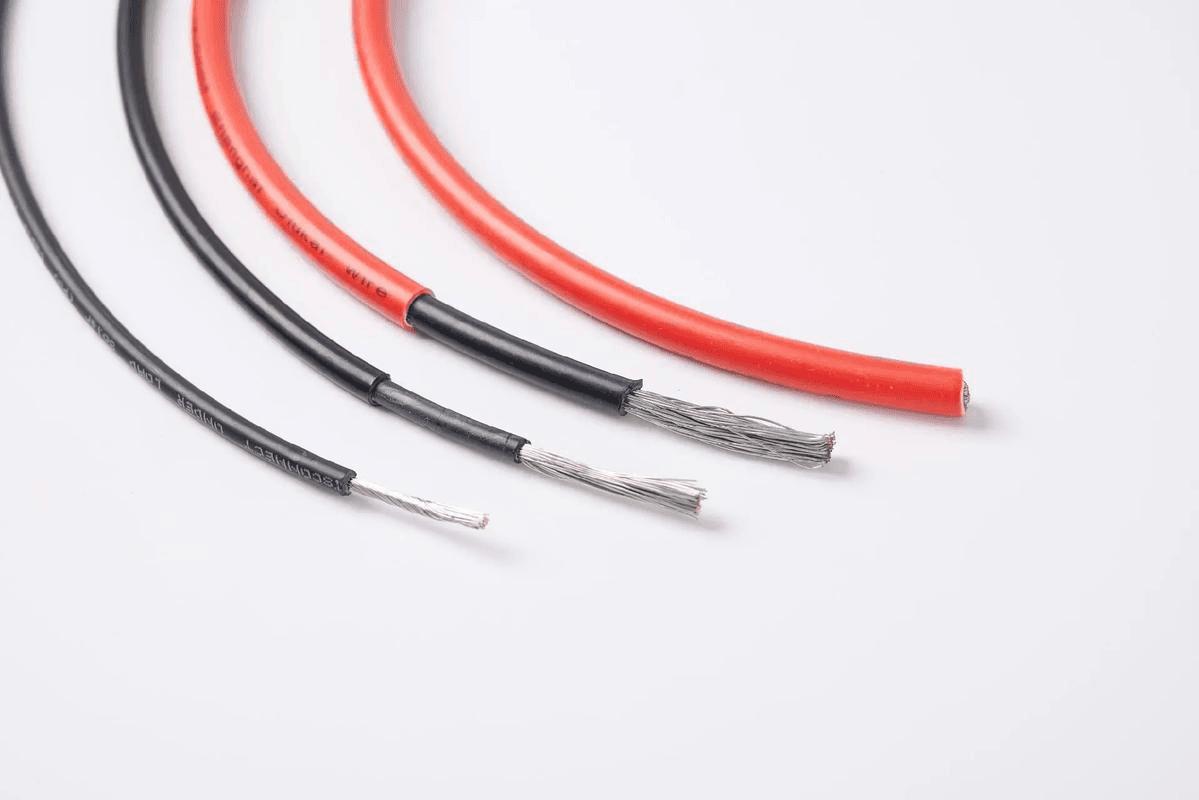
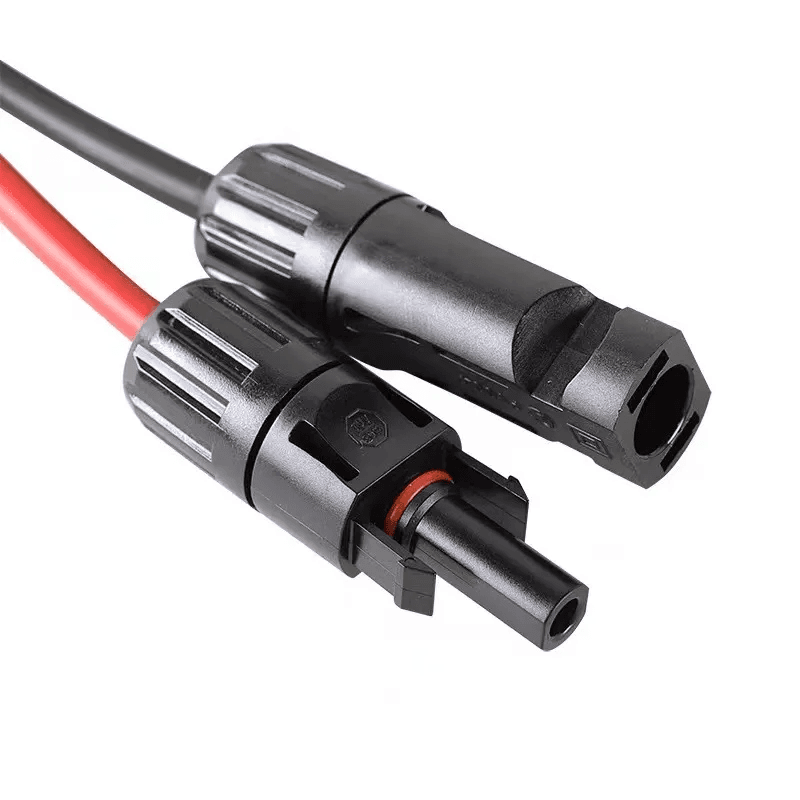
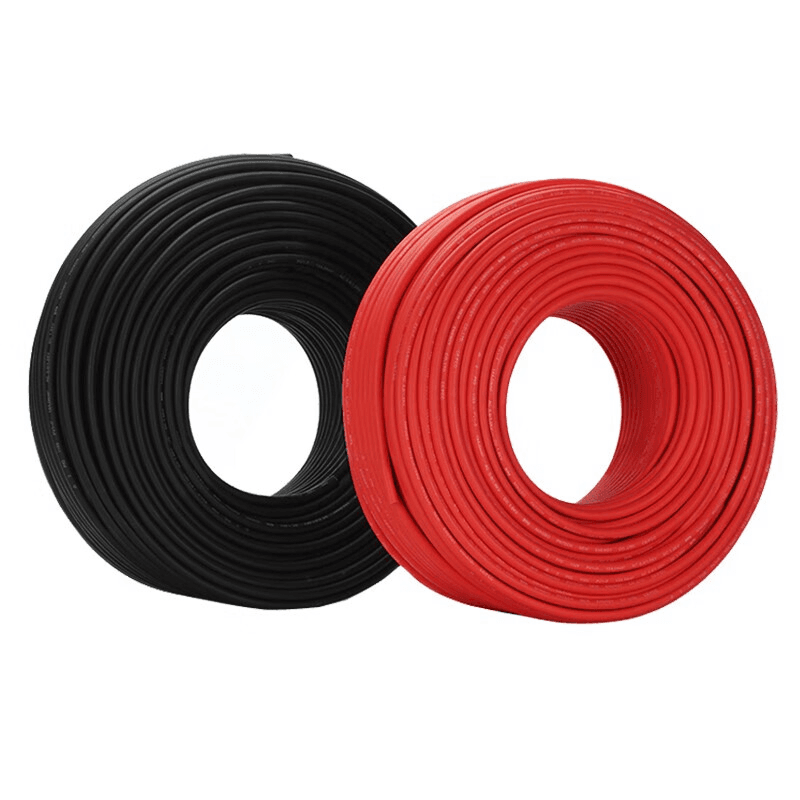
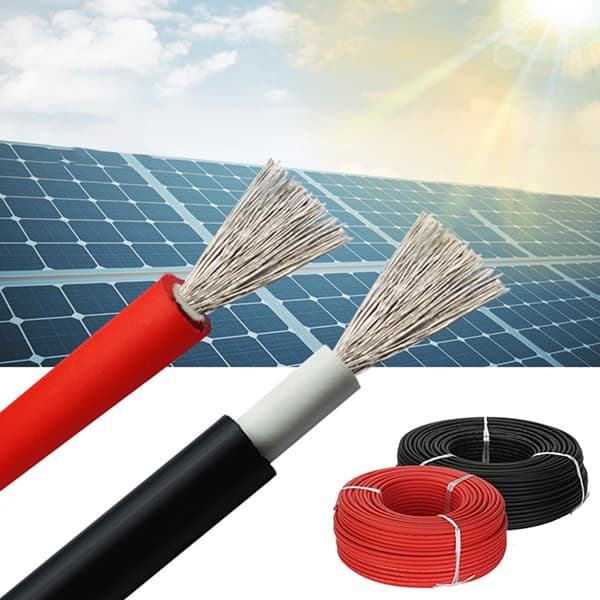
PV solar cable is the type of wiring that photovoltaic (PV) systems need. With PV cables, inverters, solar panels, and other parts can safely and efficiently send DC electricity.

Solar cable charactors

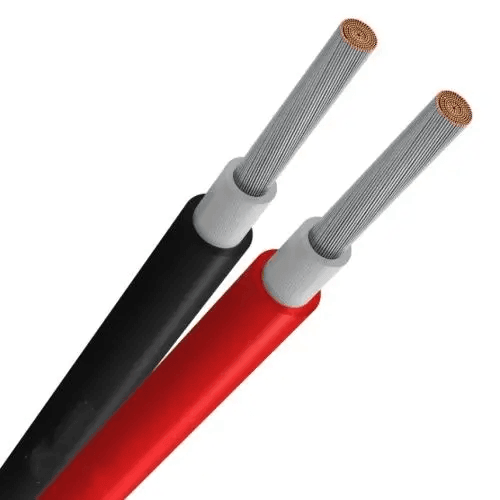
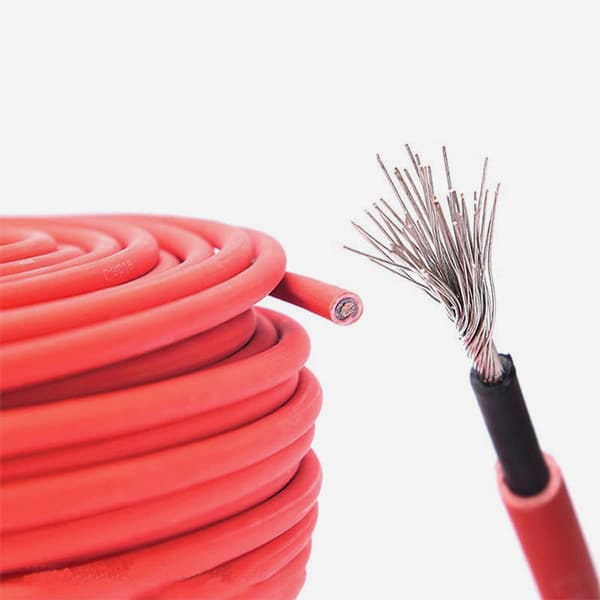
For solar energy systems to work outside, they need special solar PV connections. These PV cables are great for carrying current because the tinned copper conductors have a lot of strands and are flexible. Polyethylene (XLPE) that doesn't contain halogens or something similar is often used to insulate wires because it can withstand heat, ozone, and UV light. Most of the time, solar cables can handle a high DC voltage of up to 1.5 kV and can work continuously in temperatures from -40°C to +90°C. If there is a short circuit, they can even work up to +120°C. They often use double insulation, which has two layers, as a safety measure. Solar PV solar cables are different from regular building wires. These cables meet strict PV standards.

Europe PV Cable

European solar cables meet standards like EN 50618 and IEC 62930 to make sure they are safe and last a long time. They move DC current from panels to inverters in both above-ground and below-ground systems. In Europe, PV cables must pass tests for outdoor aging, flame resistance, UV light resistance, and the absence of halogens. TÜV, a German testing authority, gives them ratings of 1.0 kV AC and 1.5 kV DC.

H1Z2Z2-K

H1Z2Z2-K

The EN 50618 standard uses the identifier H1Z2Z2-K for current PV wires and cables in Europe. It has been approved by TÜV and is meant for long-term outdoor use. Class 5 fine-stranded tinned copper is very flexible and conducts electricity very well. The sheath and insulation are fireproof, halogen-free, and cross-linked. This "double-insulated" wire can handle the highest voltages that solar arrays need, which are 1.0 kV AC and 1.5 kV DC. It has passed tests for resistance to ozone and UV light (EN 50396 and HD605/A1). H1Z2Z2-K cables can work all the time at temperatures between -40°C and +90°C. They can even handle temperatures up to 120°C when under stress. They work just fine inside, outside, or even in the ground.

PV1-F

PV1-F

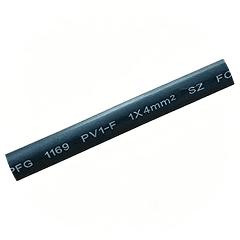
Even though EN 50618 has mostly taken its place, PV1-F is still used as a standard for solar cables in Europe. It has TÜV certification for connecting parts of a PV system. PV1-F has halogen-free jacket and insulation, and a class 5 tinned copper conductor. The highest voltage it can handle is 1 kilovolt AC (0.6/1 kV) and 1.8 kilovolt DC (0.9/1.8 kV). Tests show the cable can withstand the weather, UV rays, and lasts for 25 years. It meets standards for low smoke (IEC/EN 61034) and flame retardancy (IEC/EN 60332-1-2) to make sure it is safe from fire. You can use PV1-F for permanent wiring in conduits or on rooftops, but you shouldn't bury it directly. Its strong XLPE/PVC jacket keeps insulating effectively long periods of time.

TÜV 2PfG

TÜV 2PfG

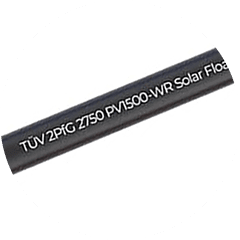
The "2PfG" or "ZPIG" labels are used to show that a solar cable has been certified by a group like TÜV Rheinland or TÜV Süd. These stamps prove that the cable has passed strict PV testing. Cables can only be called certified if they have passed tests for weathering and high voltage. One example of a certification for PV1-F cables is the TUV Certificate 2PfG 1169/08.2007. You can be sure that a solar cable with the TÜV seal doesn't have any halogens, can handle high voltage, is flame-resistant, and is safe from UV light and ozone. It also says that the design life is twenty-five years. Professional installers depend on cables that have been tested by TÜV to keep working well in hot and sunny places.

TÜV EN/IEC

TÜV EN/IEC

IEC 62930 is the standard for cables around the world, but EN 50618 is the standard for cables in Europe. EN 50618 sets the rules for the design, materials, electrical limits, and testing of outdoor PV cables. Two layers of insulation make cables that meet EN 50618 (and IEC 62930) standards. They are long-lasting, free of halogens, and shielded from ultraviolet light. A lot of companies make cables that meet these standards (and have been TÜV validated) to support international efforts. You can also meet UL standards, like UL 4703 in the US. Solar cables that meet EN/IEC standards are guaranteed to be able to handle bad weather, such as direct sunlight, water, and mechanical stress.

North American PV Cable

PV Wire

PV Wire

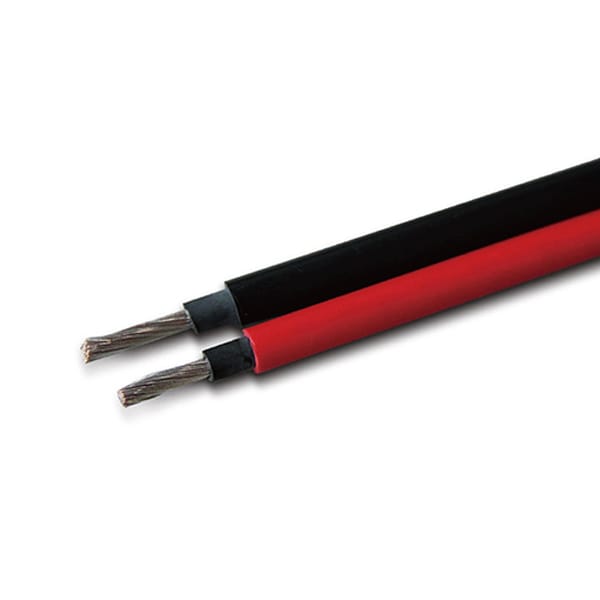
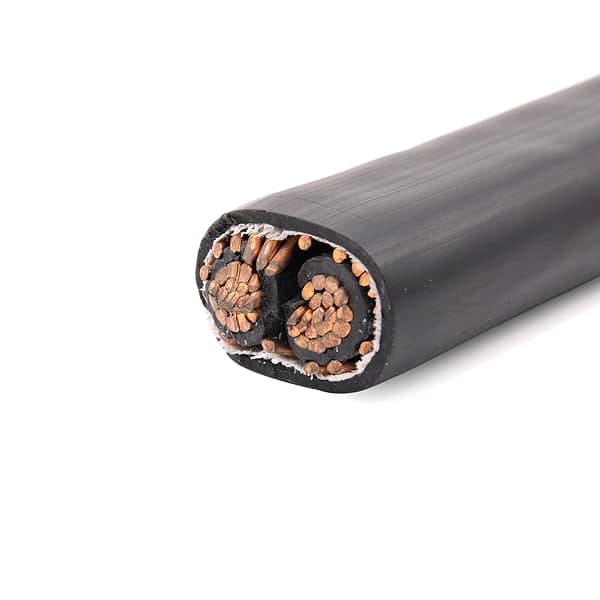
In the US, PV Wire is more commonly called "PV Cable." It is a UL-certified single-conductor wire. It is widely used in commercial and residential PV arrays. The usual ratings are 600 V DC (and sometimes 2000 V DC), highly resistant to sunlight, UV rays, and ozone. PV wiring uses XLPE insulation for direct burial and extreme temperature endurance. For instance, some catalogs list 10 AWG PV wire for about $0.52 per foot. Professional electricians use PV wire to connect module strings to an inverter and modules in series. People often use red and black for color-coding. Its sheathing is strong and flexible for rooftop runs.

USE-2

USE-2

USE-2, a thermoset construction wire, can also be used in NEC PV circuits. It's really just RHH/RHW-2 copper wire. One of its best features is that it doesn't fade in the sun, no matter what size or color it is. You can use utilize-2 in dry, damp, or wet places. It can handle voltages between 600 and 1000 V. You can bury it directly or above ground. Insulation, which is usually made of cross-linked polyethylene, doesn't let oil or water through. USE-2 is often the main feeder or long-run wire that connects the roof combiner boxes to the inverter in PV systems. This is because it can handle higher voltages and more difficult situations.

THHN

THHN

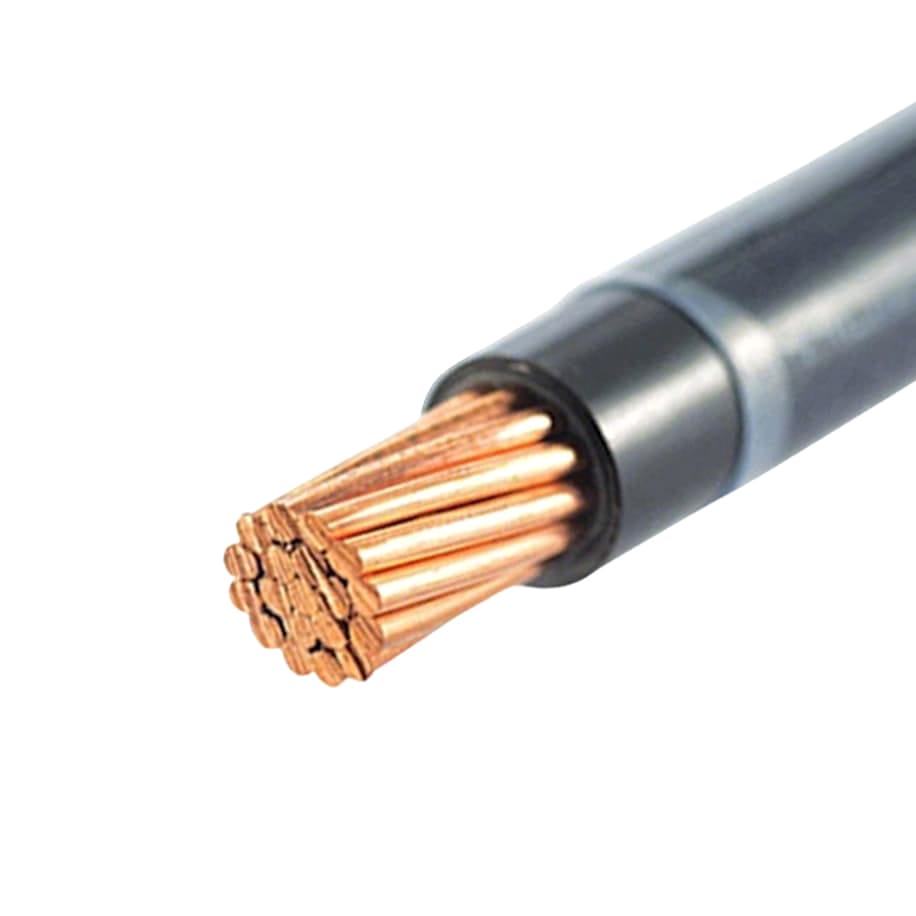
THHN/THWN is a 600 V construction wire often used in electrical conduit. Regular THHN (thermoplastic insulation, nylon jacket) offers no sunlight resistance unless it is clearly marked as THWN. THHN can only be used in specific places in rooftop PV systems, like between the array and combiner in sealed conduit or raceways. You need extra protection from the sun, but it's much cheaper overall. THHN is not suitable for outdoor runs or direct burial, unlike PV Wire or USE-2. Most installers use PV-cables made just for the job, while THHN is kept for hidden indoor areas or standard junction boxes.

PV cable systems

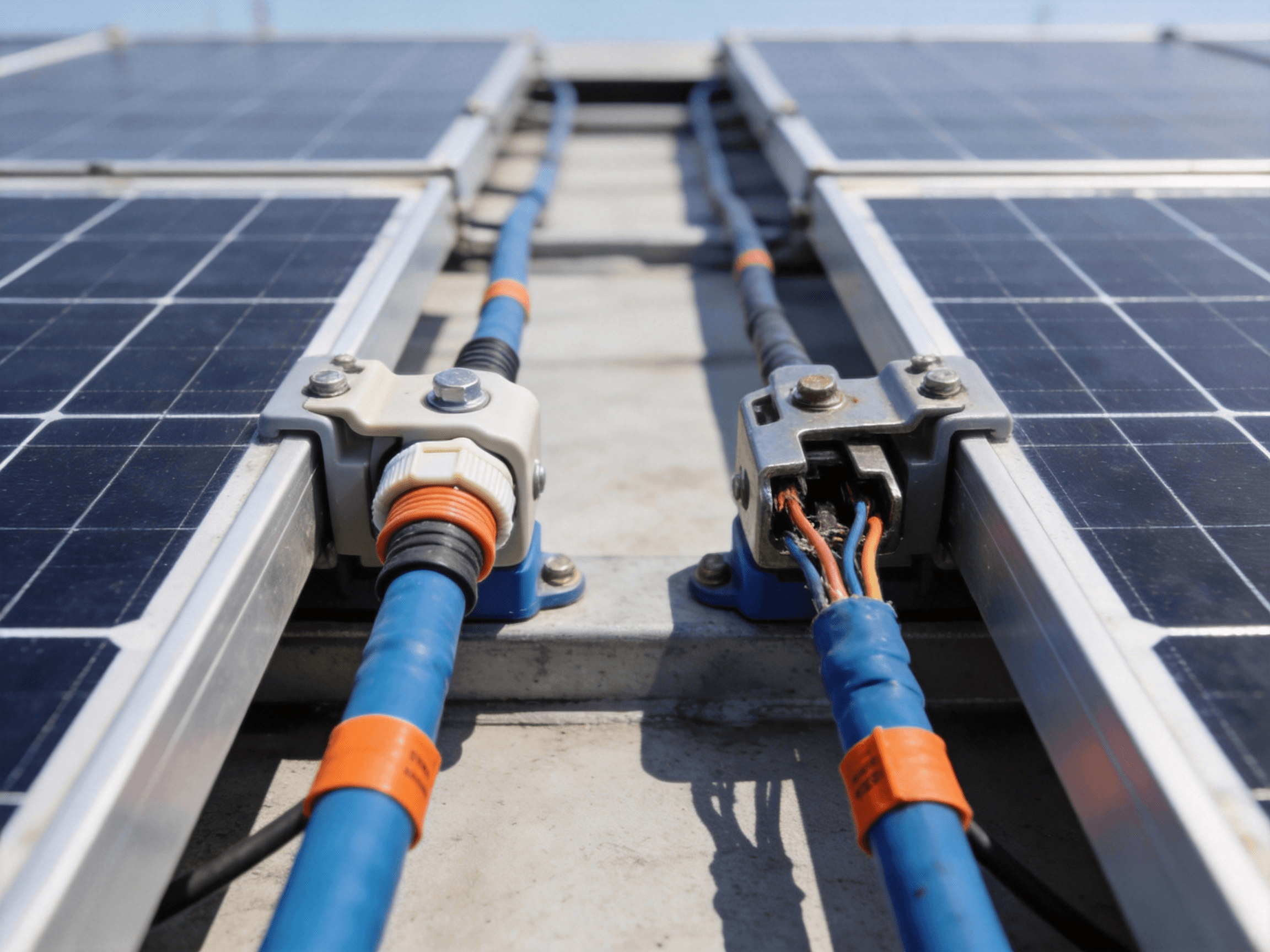
A PV solar cable system has all the wires and connectors needed for a solar project, from the strings of modules to the grid or loads. These systems use outdoor-rated DC cables that are double-insulated. Cable trays, conduits, and burial are all bad places for cables to be because they have to deal with heat, water, and sunlight. Installers plan cable trays for PV to properly support and organize the DC wire. Good PV cable management includes clustering runs, hanging them over walkways, and protecting terminations. Many systems also have DC combiner boxes, which are required by code. These are in addition to fuses and devices that shut off quickly.

Distributed Photovoltaic System

Distributed Photovoltaic System

A distributed photovoltaic system is made up of small to medium-sized photovoltaic (PV) installations on roofs or other local sites. These systems often have smart optimizers and safety shutdowns that help power the building or a nearby grid. Distributed PV helps businesses and families save money on their power bills and become less dependent on the grid by cutting down on the number of cable runs on a property.
Industrial and Commercial Distributed

Industrial and Commercial Distributed

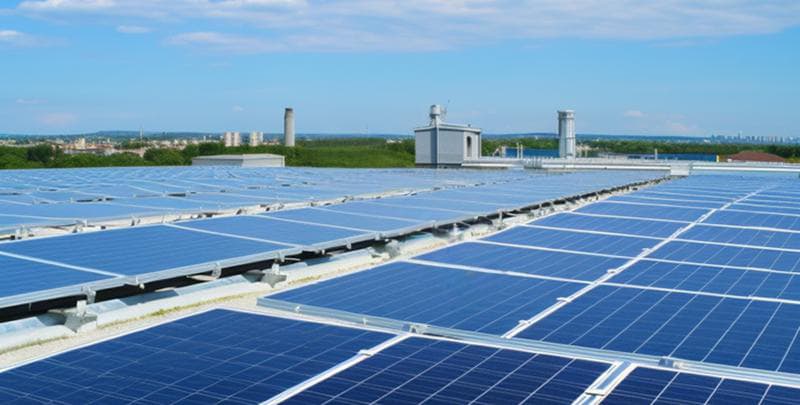
Bigger systems that are put on rooftops or the ground in places like schools, farms, malls, and factories. This can be anywhere from hundreds of kilowatts to many megawatts. C&I PV has advanced monitoring, thicker cables (6–10 mm²), and the ability to connect to microgrids or storage. All of these things help the facility get a lot of energy. These cable systems can safely send the energy that solar panels generate to an electrical grid.

Photovoltaic Power Station

Photovoltaic Power Station

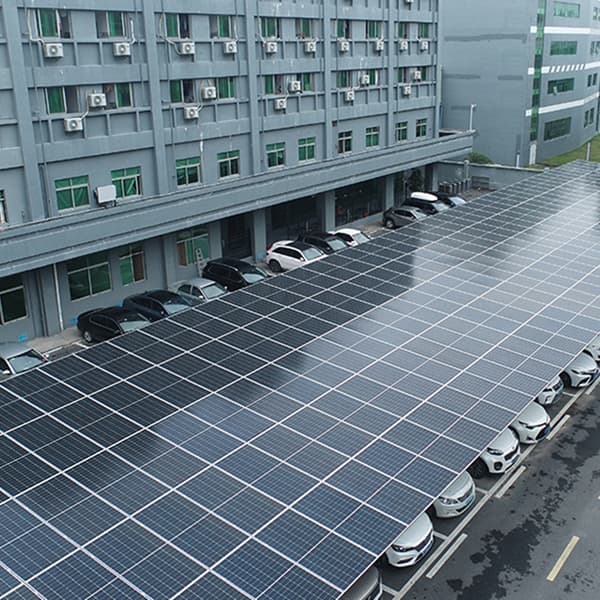
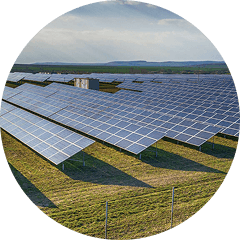
Utility-scale solar plants are often called solar farms or parks. They are made up of large arrays built on the ground that generate power in the megawatt to gigawatt range. In a PV power plant, long cables connect multiple panels to a central inverter and combiner box. High-gauge DC cables, which are 10 mm² and larger, are made to carry electricity over long distances. These systems need strong cables and terminations to deliver energy at the utility level so they can work in harsh desert or field conditions. These are built for high-voltage tasks. These cables are suitable for photovoltaic power stations.

行业和应用

Residential Solar

Residential Solar

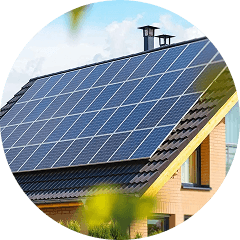
PV solar cables on roof arrays let single-family homes make and store electricity that can be used inside the home or sold to the utility company. Cables go through walls, conduits, and attics.

Commercial Buildings

Commercial Buildings

There are big solar panels on the roofs of offices, stores, and schools. At this site, PV solar cables connect several panels to an inverter or the building's electrical system.

Utility Solar Farms

Utility Solar Farms

Utility solar farms use these cables in arrays of combiner runs and long DC mains that go to substations. To collect electricity efficiently in this area, cables are either buried directly or put on cable trays.

Agriculture & Rural

Agriculture & Rural

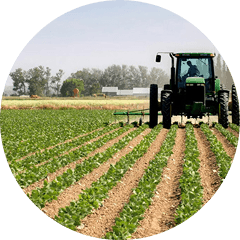
PV cables are used to power solar irrigation pumps, provide electricity to farms that are far away, and run rural clinics. Tracking systems usually use waterproof connections and wires so that they can be used outside without breaking.

Telecom & EV Infrastructure

Telecom & EV Infrastructure

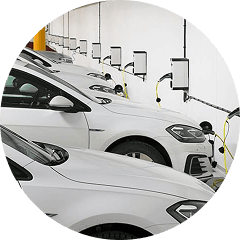
Solar panels can help power cell towers and charging stations that are far away. PV wires need to be strong and fireproof so that they can carry electricity from solar panels to batteries or chargers.

Industrial Equipment

Industrial Equipment

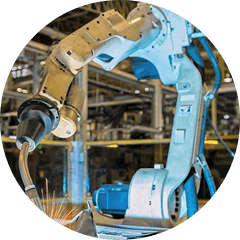
In harsh industrial settings, PV-cables power backup systems, off-grid sensors, or lights. People who work in halogen-free jackets are less likely to get hurt in a fire.

Engineered Conductor Geometry for Stability

Designed Conductor Geometry

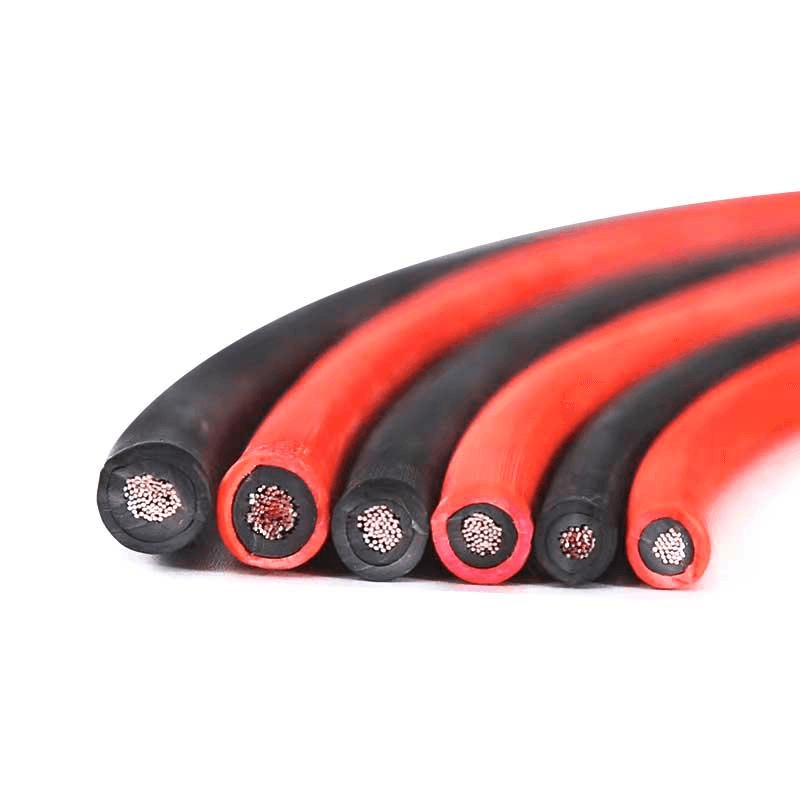
Copper conductors with a lot of strands keep the DC flow smooth. Class 5 fine copper strands are used to make the cables so that they can bend and twist in any way.

Tinned Copper

Copper is used to tin-plate conductors to keep connections from rusting. Maintaining strong conductivity makes it possible to get a steady supply of energy.

Optimized Strand Layout

The strands are arranged symmetrically, which makes their layout better by lowering heating through less resistance and skin impact.

Stable Current Flow

Using double insulation and cables with the same cross-section helps to reduce losses and make sure that power is spread out evenly.

Double-Insulation Design

A lot of PV solar cables have a second layer of insulation to make them even safer. In this way, the circuit will stay safe even if one layer goes out.

Engineered Conductor Geometry

High Integrity Insulation for Long-Term Safety

Solar cables have the best insulation and sheath, which means they will be safe for a long time. Most of the time, halogen-free, cross-linked compounds are used for both the inside insulation and the outside jacket. This makes sure that they protect people and equipment during fires by letting out less smoke and acidic gas. The insulation can handle a constant operating temperature of +90°C and a failure temperature of at least 120°C. It has passed tests to make sure it can withstand ozone depletion and ultraviolet light (HD605/A1). These materials are also resistant to oil, chemicals, and water. This process makes sure that the PV-cable stays insulated for a long time, keeping it safe from the sun and rain and lowering the risk of short circuits.

Reduced Installation Stress

Flexible Sheathing

Flexible Sheathing

The flexible sheathing on the outside of the jacket keeps it flexible no matter the temperature. This flexible sheathing means that installers won't have to pull on cables as hard. Most PV solar cables can bend down to a diameter of 4×.

Durable Jacket

Durable Jacket

The sheath is strong and flexible at the same time. It protects the cores from cuts and scrapes while being put on roofs or in conduits.

Weatherproof

Weatherproof

The sheath is weatherproof because sunlight, water, and abrasions can't hurt it. Installers can safely lay cables on roofs or bury them in the ground.

Tight Seals

Tight Seals

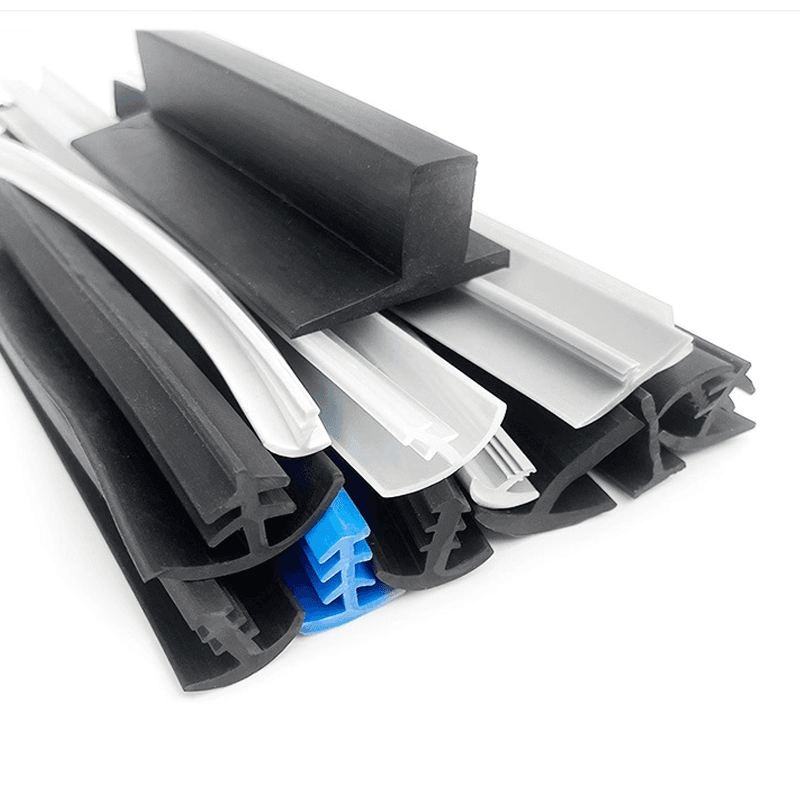
Many cables have ends that are either heat-shrinkable or filled with gel that make them watertight. They protect the conductor from corrosion caused by moisture by keeping the connection watertight.

客户评价

The H1Z2Z2-K cables from QL-Custom made our commercial project easy. They delivered high-quality, double-insulated cables for a fair price. We appreciated the TÜV-certified quality.

Michael Thompson

Michael Thompson

I’m impressed with the flexible jacket material. Our team laid these cables around tight corners without kinking. These cables held up through hot summers and heavy rain.

Naythen Davis

Naythen Davis

The PV solar cables from QL-Custom performed excellently in our solar array. The insulation is tough yet flexible, and installation was smooth. Excellent service and on-time delivery.

Alexander Johnson

Alexander Johnson

Installed their UL 4703 PV wires for a home system. The cables were clearly labeled, and the connectors fit well. Customer service answered all our questions quickly.

Bao Weng

Bao Weng

We ordered some aluminum PV cables for a rural installation. The cables were light and easy to pull and great.

Ivan Smith

Ivan Smith

Great experience working with the QL-Custom team. They provided custom PV cable harnesses for our inverters. Very responsive and technical support was strong.

Daniel Kim

Daniel Kim

Partner with a Leading PV Cable Supplier

QL-Custom Technology Ltd. is the best place to find reliable PV cable suppliers. We specialize in making custom cable assemblies and harnesses, and we're proud to be ISO 9001:2015 certified. It's common to find solar photovoltaic (PV) cable lengths, but QL-Custom can also make a custom PV solar cable harness with any connections you need. Our materials meet international standards (EN/IEC/UL) when it comes to being weatherproof and resistant to UV light. Just send us an email if you want a quote, and we'll get back to you. Our in-house engineering team puts every cable solution through a lot of safety and performance tests. QL-Custom has been a popular choice for both installers and original equipment manufacturers when it comes to PV cables.