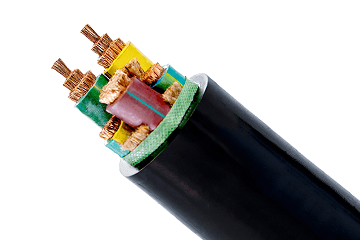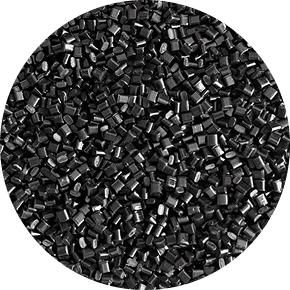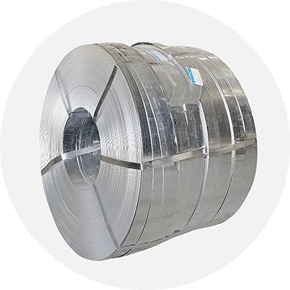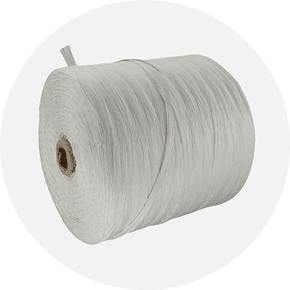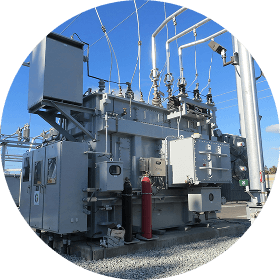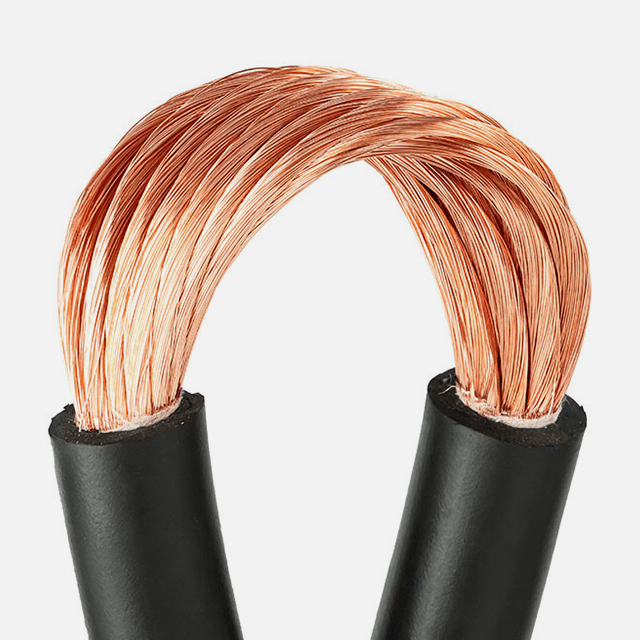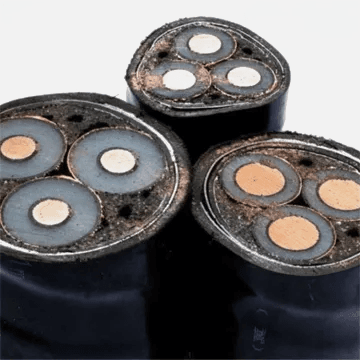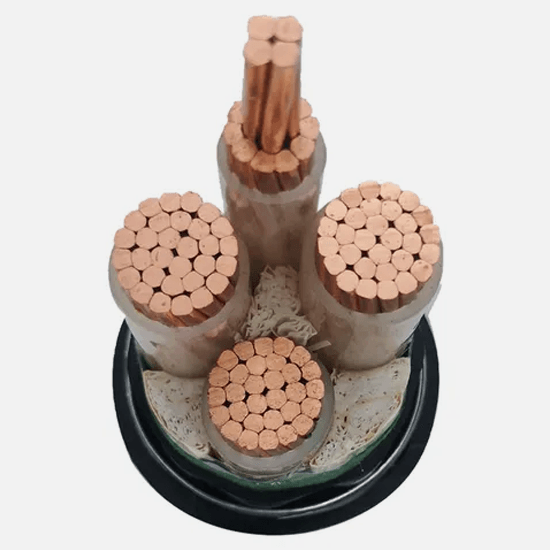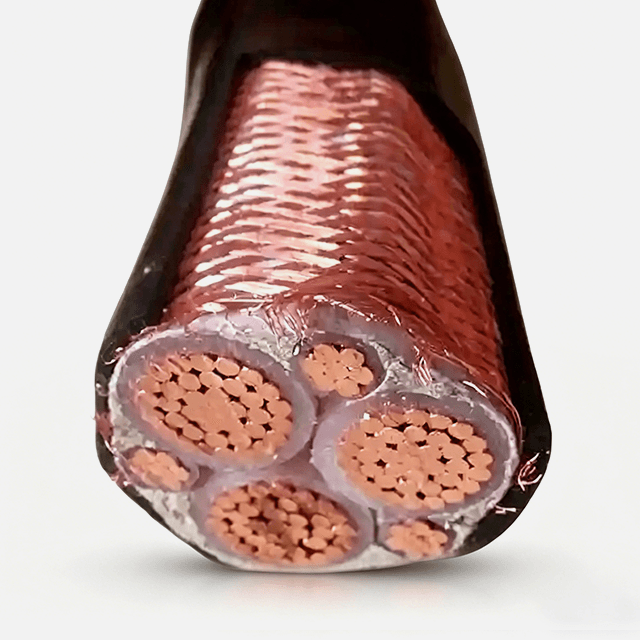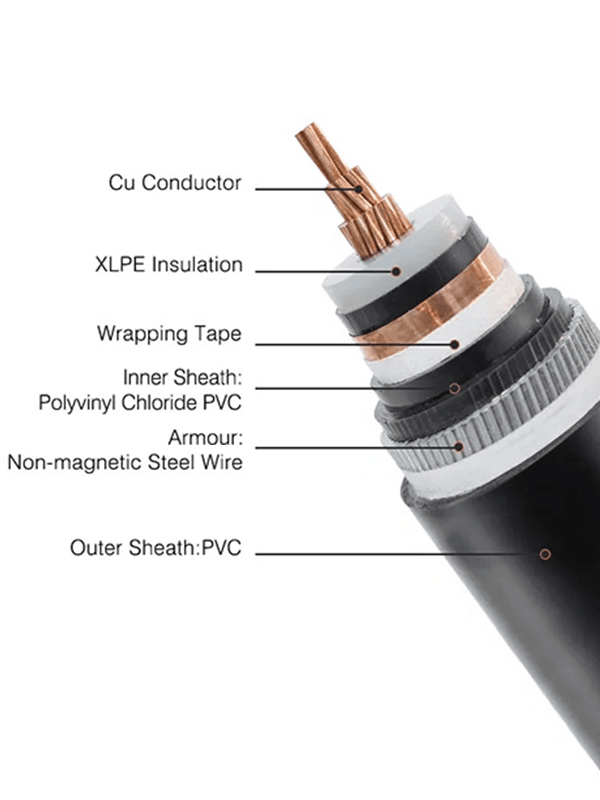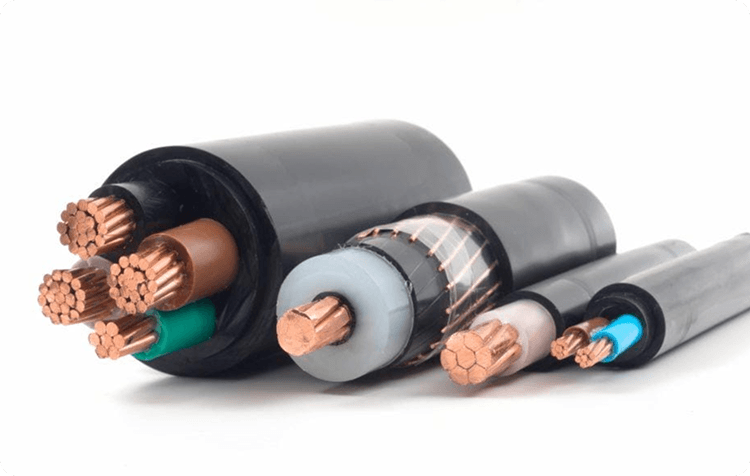
High-voltage heavy-duty cables are carefully manufactured with premium quality materials to transfer high voltage over long distances. These wires are a durable choice for heavy-duty work.

A large gauge cable has thick conductors that make
it electrically strong enough to handle very high
voltages and currents. It usually has a copper core
with several strands and thick insulation to protect
the power as it travels. These high voltage heavy
duty cables use a whole insulation system that
includes insulation, semiconducting layers, and
metallic shields to keep them from breaking when
they are exposed to high voltages. Large gauge
cables use larger cross-sectional conductors to
reduce resistive losses and ensure efficient power
flow.
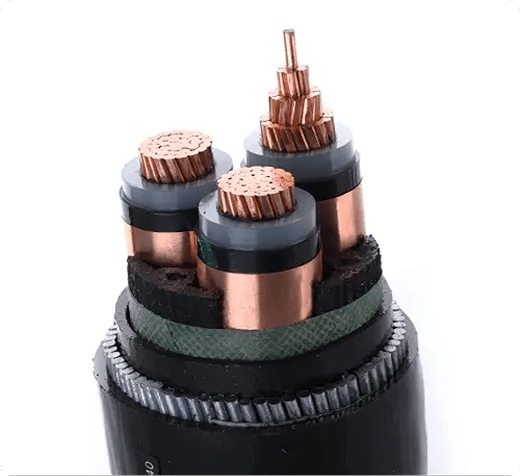
QL-Custom makes heavy gauge cables to order, with
precise extrusion of the insulation on high voltage
cables. This makes for consistent insulation and
great voltage capacity (see photos below). The
high-quality materials and strict quality control
measures used in industrial and automotive power
systems make them strong and reliable.
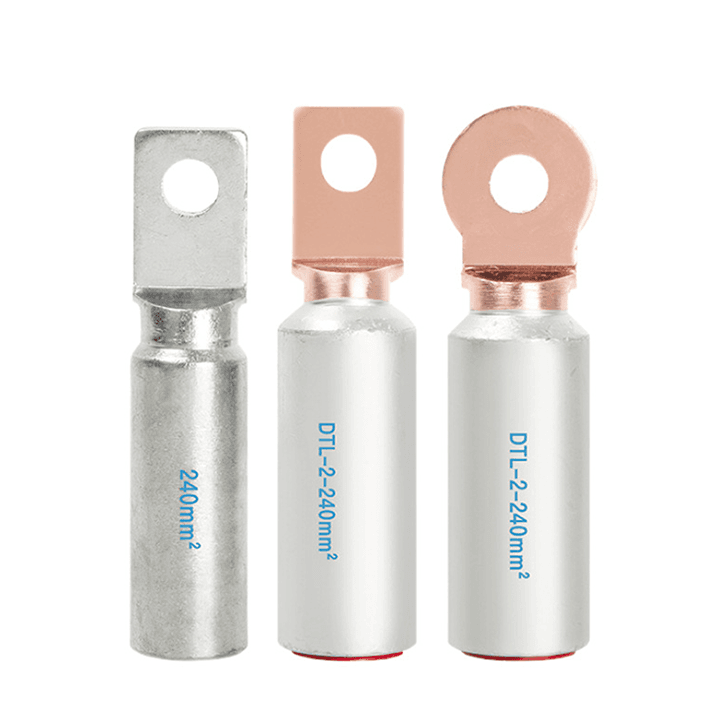
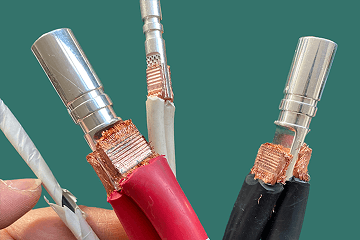
Crimped lugs, also called cable lugs or wire lugs, are the best metal termination for connecting or ending heavy cables. A crimped lug is mechanically squeezed onto one end of a high-voltage, heavy-duty cable to make a safe and conductive connection. Specialized lugs with reinforced insulation are used in high-voltage applications to make sure they are safe and work as well as possible. These lugs have heat-resistant shells and built-in shields that give them extra protection.
Adding a layer of tin plating to copper lugs helps protect the metal's surface. The tin coating makes it much easier to solder and protects it from rusting. For example, tinned copper lugs don't rust in wet or underwater environments, which makes the high voltage cable last longer. The tin coating also keeps copper from getting brittle from oxidation and makes soldering easier by keeping the connection strong.
Bare copper lugs are made of pure copper that has not been plated. In places where corrosion is low, they are great for standard power connections because they are cheap and conduct electricity well. Bare copper lugs are great at carrying current because copper has a low resistivity. Use these lugs inside or in well-sealed assemblies when the weather is very wet or bad to keep them from rusting too soon.

High-voltage heavy-duty cables are made using special extrusion machines. For example, HANDING extrusion machines have multi-zone temperature control so that they can maintain a steady and changing pressure during extrusion. These machines can quickly extrude thick jackets and work with conductors that are very big (the 132 kW motors shown can handle conductors that are up to 150 mm in diameter). The precision screw and strong steel frame make sure that the molten polymer coats the cable cores evenly. At QL's plant, high-power extruders can make custom large-diameter cables to order. To make wires that last a long time with consistent insulation and little waste, you need machines like these.

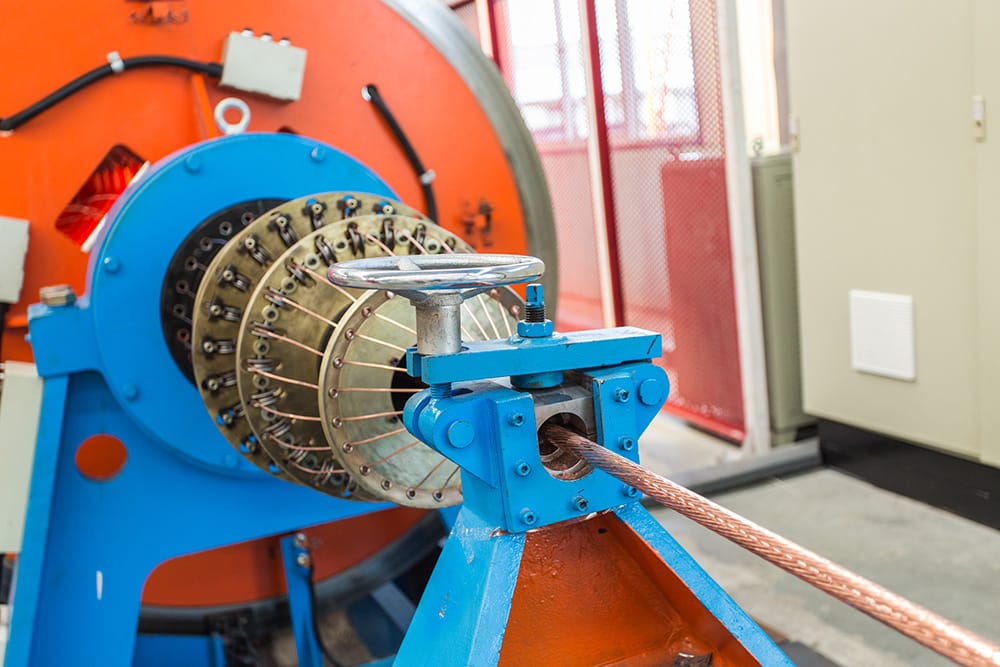
Some heavy-duty cables have a single outer jacket that covers many groups of conductors. You make these by stringing or laminating cores in a flat or concentric pattern and then feeding them through an extrusion head with two or more layers. The extruder puts a thick outer jacket on all of the conductors. During this process, careful alignment, also called helical stranding, can keep the core from moving. To keep the shape from changing, you may need to add fillers or binders to the jacket. The multi-core cable is now small and round after being jacketed, and it is ready to be put together.

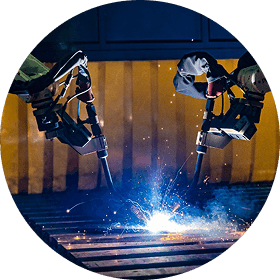
After extrusion, the ends of the high-voltage heavy-duty cable need to be either joined or cut off. Crimping, soldering, and welding connectors are all types of "hook-up" procedures. To hold lugs or connections tightly in huge cable assemblies, automated crimping machines and ultrasonic welders are used. For instance, before terminals are crimped, QL-custom's assembly line has robotic soldering and ultrasonic welding stations. These steps make the connections between metal and copper stronger. After each connection is checked, both visually and electrically, quality checks are done. To make sure that every heavy cable assembly can handle its rated current without any hot spots or failure, it must be properly hooked up.

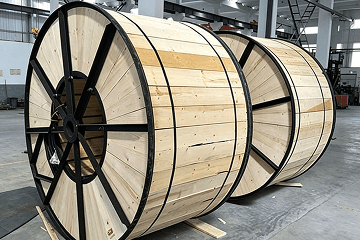
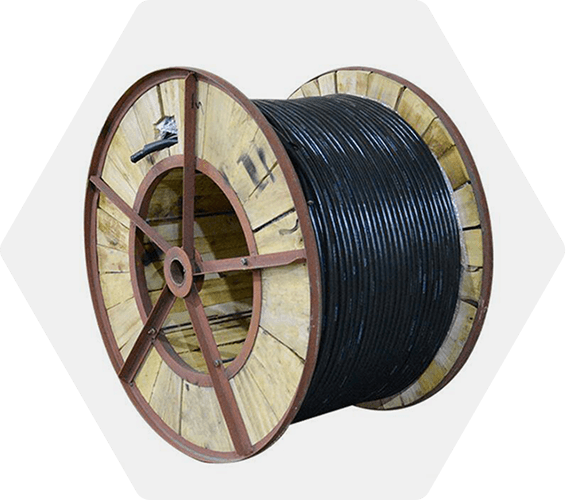
You need to pack heavy, high-voltage wires the right way. When you wind cables around drums or reels made of solid wood or steel, you keep their shape and protect the jacket from damage. Reels with the right flanges can keep long or heavy wires from bending and getting crushed. End caps and plastic wrap are two examples of cushioning and protected coiling that can keep moisture and wear from damaging things. You can use straps or shrink wrap to keep cables attached to pallets while they are being moved. Narco's shipping guide says that reels and drums "control geometry and handling for heavy, high-value cable." QL-Custom makes sure that high-voltage cables are protected during shipping by wrapping each one in an outer layer and adding secure end boards.

Multiple strands

XLPE

Armour tapes

String filler
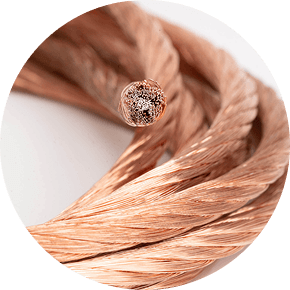
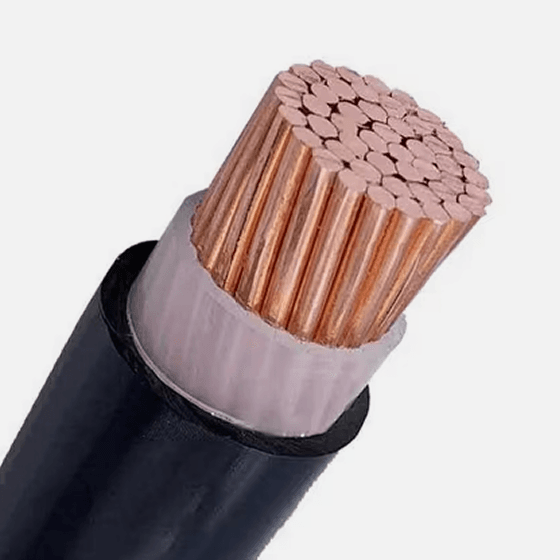
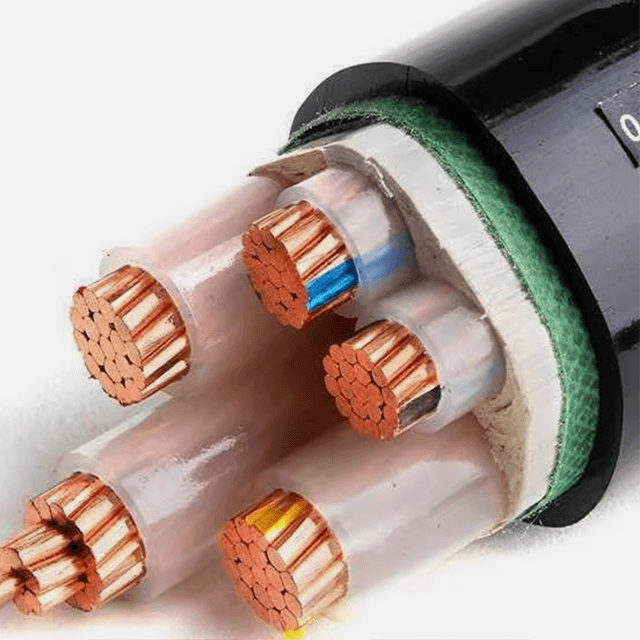
These cables have many small copper wires twisted together to make one conductor. The cable is flexible because it has a lot of small wires in it. This also makes the cable last longer when you use it a lot. When a cable bends a lot, smaller wires are less likely to get damaged or break. More strands also help power flow better when there is a lot of use. The heavy-duty cable stays strong even though it is flexible. Helpful for moving machinery and getting around tight spaces. The design makes it easy for the wire to coil and uncoil. It takes less stress off the wire over time.
XLPE is a strong plastic that is used to cover the wire. It stays mostly unharmed even when it's very hot. Not only that, it can handle chemicals and oil. This is a good thing for places where people work hard. The insulation keeps the electricity inside the cable, so it doesn't escape anymore. The high-voltage heavy-duty cable also lasts longer, even when it is under a lot of stress. XLPE works well for both low and high-voltage cables. It stays strong even when it's hot or dirty. Because of this, it is a good choice for both safety and durability.
Certain cables have armor, which is a metal covering. This layer is wrapped around the cable to protect it even more. It helps keep things safe from impacts, pressure, and rough handling. The armor can be made of steel, copper, or aluminum. It also protects against electricity in some ways. You can find these wires outside, in oil fields, and in factories. A strong cover keeps the inner wires safe from harm. It also helps the high-voltage heavy-duty cable last longer in harsh conditions. Armored wires are the best choice for heavy lifting.
Fillers are added to cables to fill in empty spaces. When a lot of wires are bundled together, there will be spaces inside. Cables with fillers are stronger and easier to shape. They also keep cables from getting tangled. Some fillers have plastic rope or soft yarn in them. Some fillers stop water from getting into wet areas. They will swell up and seal off the area if water gets inside. Use high-quality fillers to protect the cable core. They also make the cable look better and last longer. This will make the high-voltage heavy-duty cable last longer and work better.

Power companies use these cables to send energy over long distances, which is an important part of generating and sending electricity. They connect cities and homes to power plants. These wires are used in substations and power lines.

Solar and wind power systems also use these wires. They move energy made by panels and turbines. The cables have to be able to handle any kind of weather. They have special coverings to keep them safe.

Inside electric cars, there are wires that carry high voltage. These wires connect the batteries, motors, and parts of the control system. They are strong, but they need to be careful and flexible. Charging stations also use strong wires.

High-voltage heavy-duty cables that are very strong are needed in the oil, gas, and chemical industries. Wires are in danger from heat, grease, and chemicals. They are used in plants, rigs, and pipelines. Thick coverings and armor keep them safe from harm.

Power-hungry machines are important for the manufacturing and industrial sectors. These wires connect all the motors, tools, and systems. They have to carry heavy loads for a long time. Flexible cables are often used in parts that move around.

Hospitals and data centers are examples of places that need steady electricity. These wires connect the main and backup systems. They have to work all the time without fail. Things that seem small could cause problems.

When engineers design heavy-duty high-voltage cables, they try to make them as efficient and cheap as possible. These wires have better insulation and thicker copper conductors, which means they lose less power (I²R) when a certain load is placed on them. Better conductivity and proper stranding mean that less energy is lost as heat. This lowers the cost of running the cable over its lifetime. Using XLPE and other similar materials can lower the amount of polymer used while keeping the insulation walls' dielectric strength the same. We make sure that the conductor size and insulation use the right amount of copper and dielectric to avoid overdesign and waste.

The conductor is made of this material because it has high conductivity. Use oxygen-free copper or some alloys to lower resistivity and increase current capacity.

When it comes to cooling and managing heat, some designs use parts like armoring that spreads heat or thermal fillers that work with very high currents. In rare cases, cooled or oil-impregnated cable systems are used.

Use many small strands in a ropelay or concentric stranding pattern to make AC more flexible and reduce skin-effect losses. For very high-power cables, it is possible to fill the cross-section completely with segmented conductors.

Increasing the conductor gauge (cross-section) makes the cross-sectional area bigger, which lowers I³R losses. QL-Custom makes the perfect gauge for each cable's current rating. Coarse wires might carry more electricity and stay cooler for longer.

To keep things balanced, the strands are twisted in a controlled way, either all to the right or with layers that switch back and forth. To get a steady flow of current, the strand configuration has to be the same all the way through.

A layer that conducts electricity and a metallic shield made of copper tape or wires keep the heat and electric stress around the conductor in check. To keep the rated voltage stable with as little loss as possible, a good high-voltage heavy-duty cable design balances the size of the conductors with the insulating layers.

Solar farm cables and overhead feeders are two types of cables that need sheaths that won't break down in UV light. The jacket is made of black polyethylene or PVC that doesn't let UV rays through. These jackets' insulation doesn't break down after long periods of time in the sun.
Wires that are meant to be used in wet or underground places have insulation that doesn't let water through. Fillers and jacketing materials that don't hold moisture are also in this group. The outer layer could be made of a material that is water-resistant or even waterproof polyolefin.
In industrial or automotive settings, high-voltage heavy-duty cables often come into contact with oils, acids, and solvents. This is why it is important to protect them with jacketing that is resistant to chemicals and oils. Using these materials ensures that cables in engine compartments or chemical plants will stay safe.
I ordered custom 15 kV heavy duty cables for our plant and the QL team delivered excellent quality. Very satisfied with their service and price.
Our EV charging station needed ultra-flexible high-voltage cable. QL-Custom provided automobile high voltage cables that flex easily and carry full current.
These guys know their cables. We got custom oil-resistant armored cables for a petrochemical project. Their high voltage extension cable bundles were exactly what we needed.
The engineering team helped us choose the right conductor size to maximize efficiency. We were impressed by their design notes on conductor stranding. The cable runs are performing flawlessly.
I run a data center and replaced some 11 kV feeders with QL cables. The partial discharge test results were outstanding, confirming zero defects. Thumbs up!"
The heavy-gauge cable we bought for a backup generator is top-notch. They included extra copper lugs (both tin-plated and bare) as requested. Will order again.
Talk to a cable expert. More than 300 customers in Europe and North America have used QL-bespoke Technology Ltd.'s custom cables and harnesses since 1997. We are dedicated to making high-voltage heavy-duty cables at our state-of-the-art facility in Changsha, China. Our team and machines are dedicated to quality. We have more than 43 state-of-the-art manufacturing lines for stranding, crimping, extruding, and other processes, and we follow strict AQL inspection procedures. We will be with you every step of the way, from design to delivery. We offer OEM/ODM flexibility, on-time delivery, and great communication. When you work with QL-Custom for your heavy-duty cable needs, you get professional engineering, low prices, and guaranteed 100% functionality testing.