Custom Coaxial cables

We provide high-quality coaxial cables that range from RG-0.8 to RG-179. When you use them to send RF, data, & audio, there is very little loss. Made to meet the needs of the telecom, auto, & defense industries.

What is Coaxial cable- RF cable

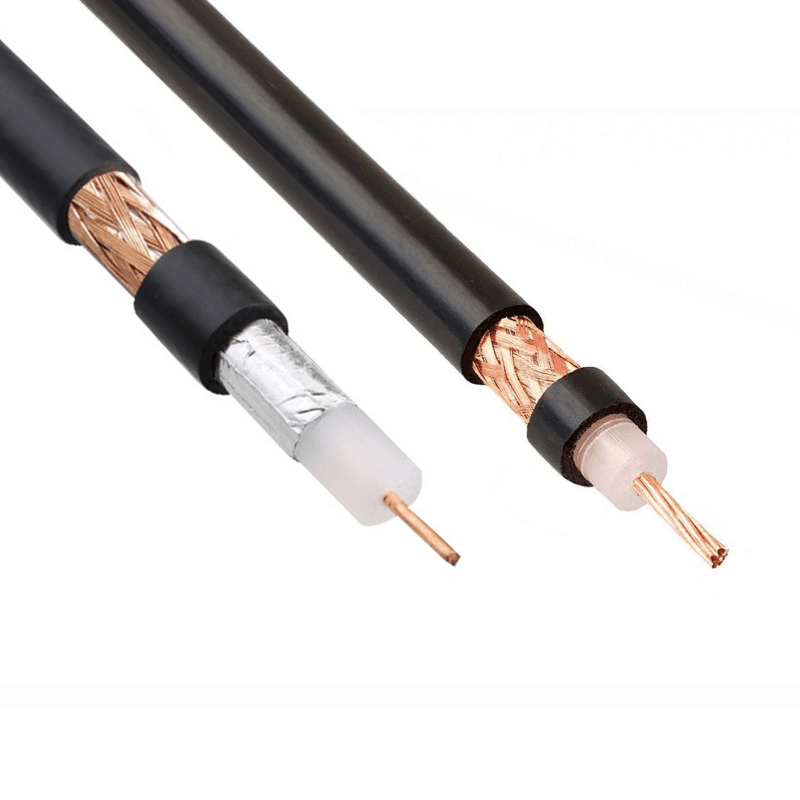
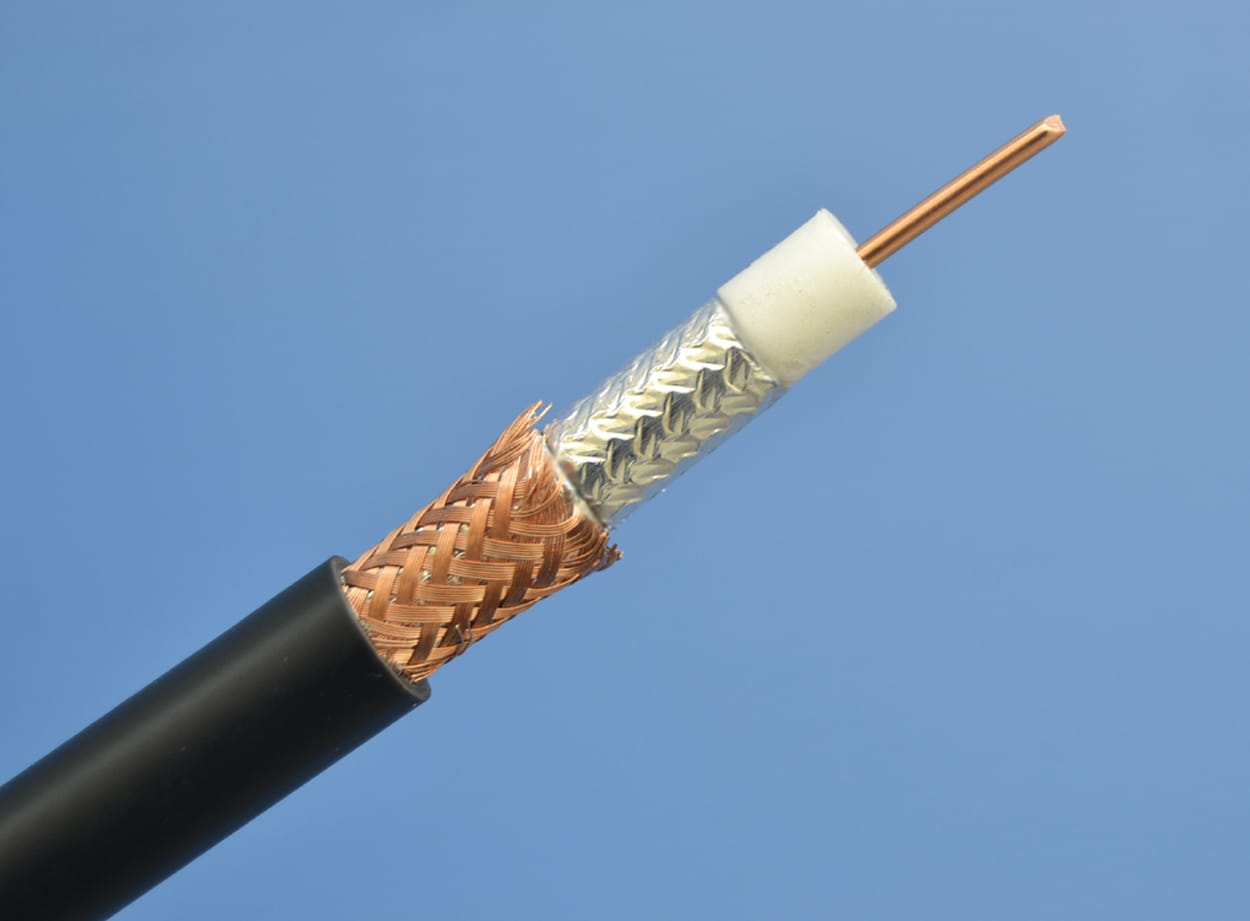
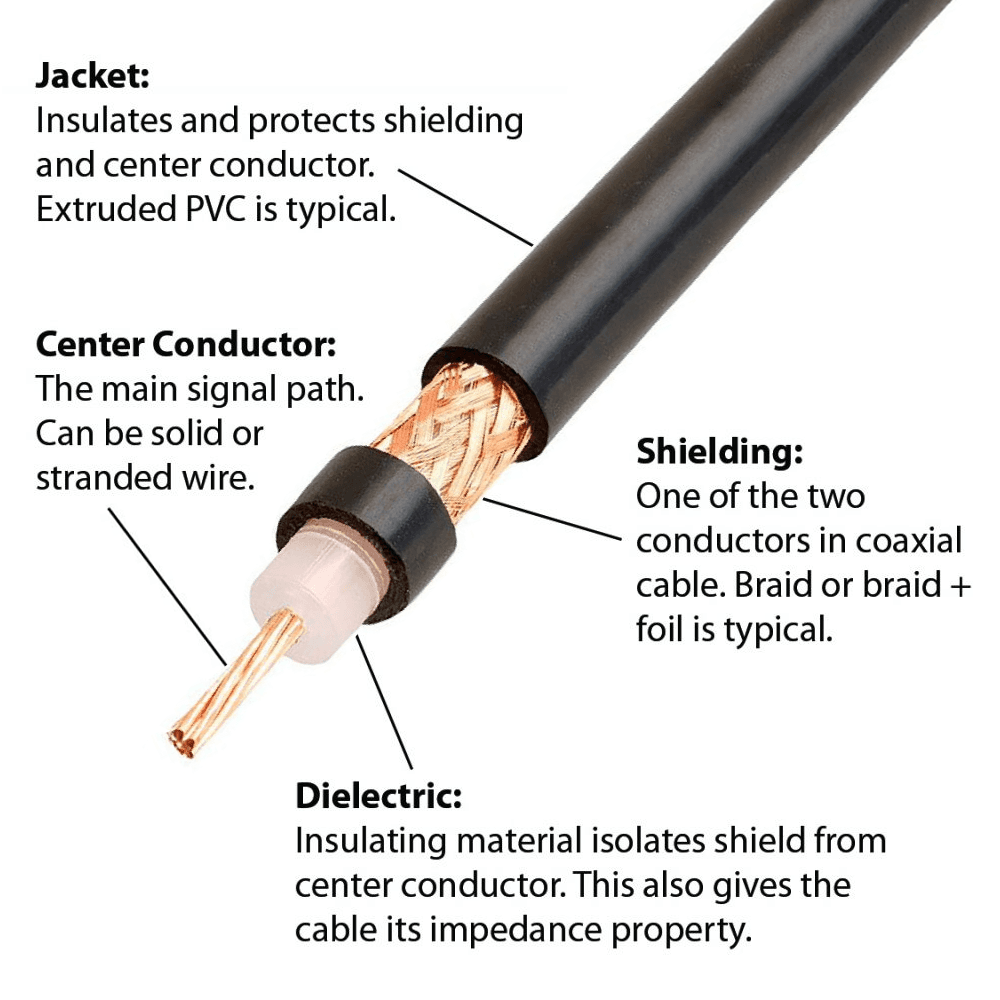
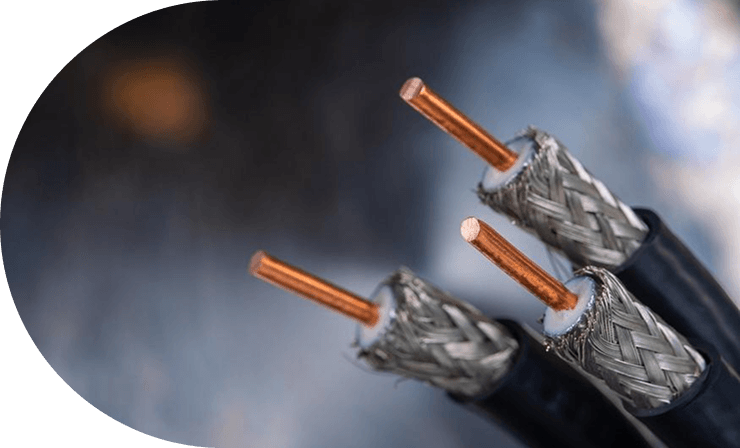
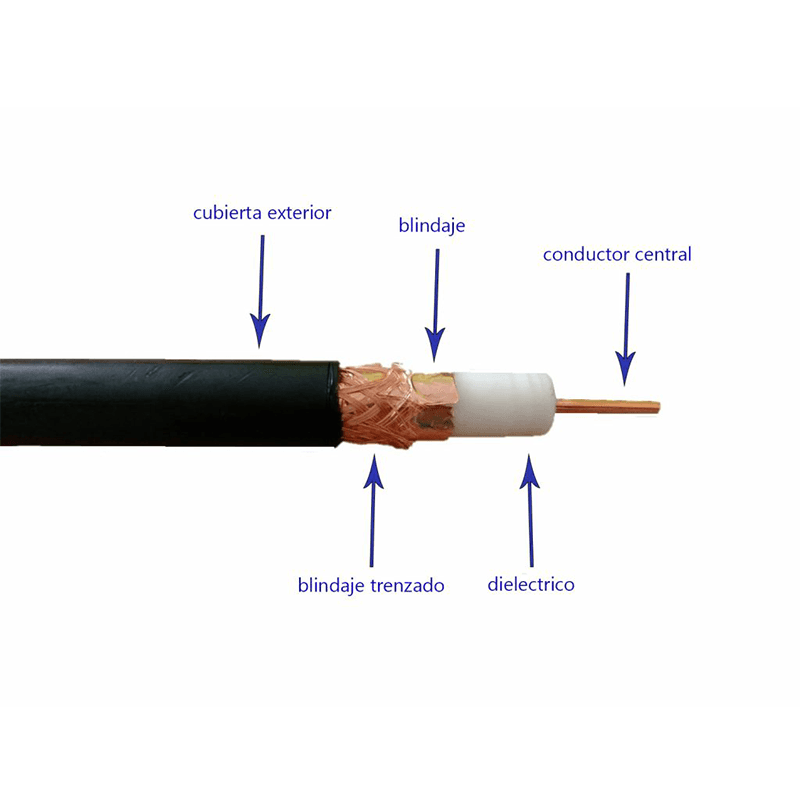
Coaxial cable is a specialized electrical cable that transmits high-frequency signals with minimal loss. At its core is a conductor, either solid or stranded copper, carrying the signal. Surrounding this core is a plastic dielectric insulator, maintaining distance between the core and the outer shield. A metal shield of braided copper or aluminum foil encloses the insulator, protecting the signal from electromagnetic interference and preventing signal leakage. The coaxial design keeps the signal centered and stable, making it effective for radio-frequency communications. Coaxial cable is an unbalanced transmission line, relying on the shield as the return path for signal. It can carry high-frequency signals over long distances with low loss due to controlled impedance. Applications include broadband internet, cable TV, radio antenna feeds, satellite receivers, digital networks, RF transmitters, and test equipment, making it a backbone of modern communication systems.
From RG0.8 ~RG179 cable business scope

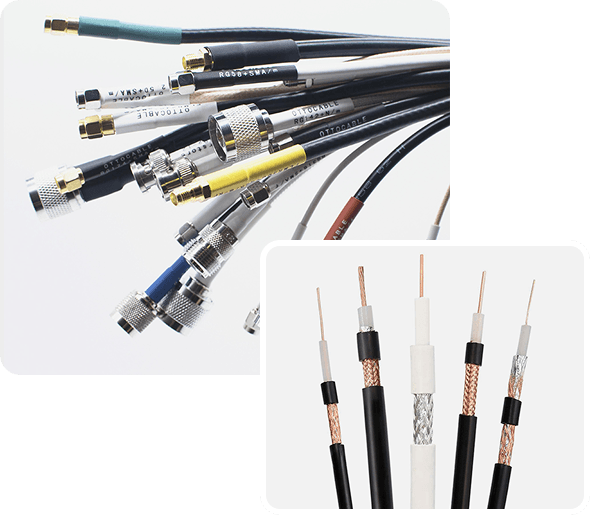
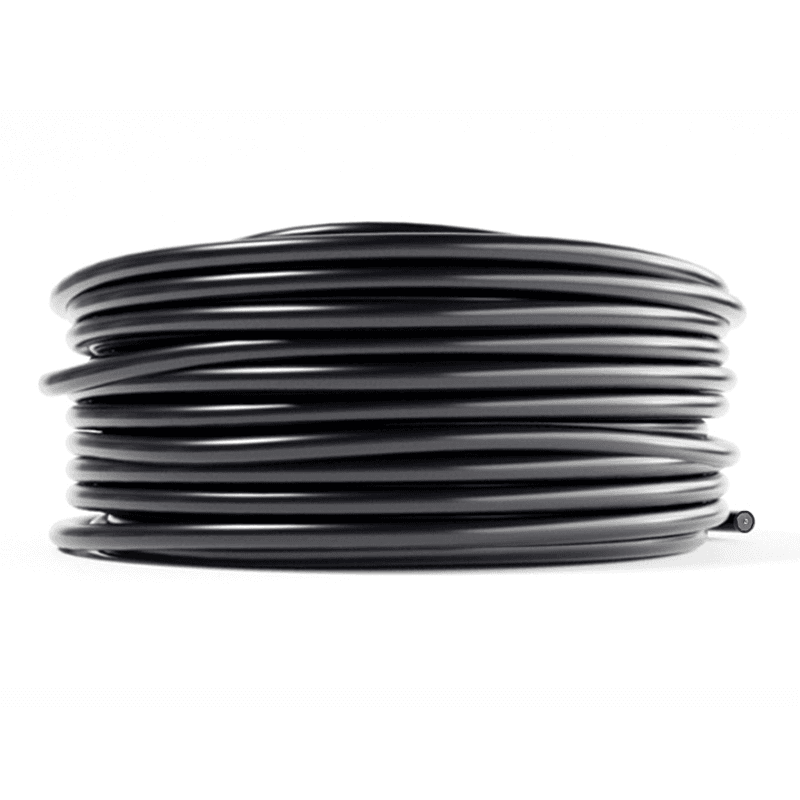
We have coax for everything, from the tiny RG-0.8 to the huge RG-179. This span includes both large RF trunk lines and very small coaxial cables. This includes well-known types such as RG-6, RG-11, RG-58, and RG-174, among others. We can provide 50ω or 75ω, depending on your needs.

Large Coaxial cable desings

Big coaxial cables have big conductors and thick insulation that help them lose less power over long distances. The centres are usually made of solid copper or steel with a copper coating. Foamed polyethylene is often used as insulation because it doesn't block signals very much. Some shields have a foil layer and a few braided layers on top of that. These strong wires could be useful for long cable lines, base stations, and broadcast towers. They send wideband radio frequencies up to GHz with very little loss. We meet these needs by making coaxial cables in the styles of RG-8, RG-11, and LMR-400. Large cables are strong because they are stiff and made to last in tough conditions.

High flexible cable designs

Flexible coaxial cables are made up of jackets that can bend and conductors with fine strands. They can bend without breaking. Some examples are the ultra-flex LMR series, RG-174, and RG-196. Flex cables lose a little more power than other types of cables because they are easier to route. They are used in many places, such as robotics, drones that have limited space, and test leads in labs. Our coax cables are made to be able to bend many times without breaking. These coaxial cables are reliable while in motion because of their special jackets and structures.

Solid or strands conductor designs

The main conductor can be either a solid wire or a network of very small wires. A solid copper core is very conductive, which means that the signal loss is a little less. The stranded copper conductors make the cable flexible. Copper-clad steel cores are sometimes used in long cable lines to make them stronger. We can provide either type, depending on what you need. Solid cores are the best choice for high-frequency connections that are always on. Stranded cores are great for designs that can be moved or put together in parts. All conductors are made of high-purity copper or copper alloy to make sure they work well.

Coaxial cable Materials recommendation

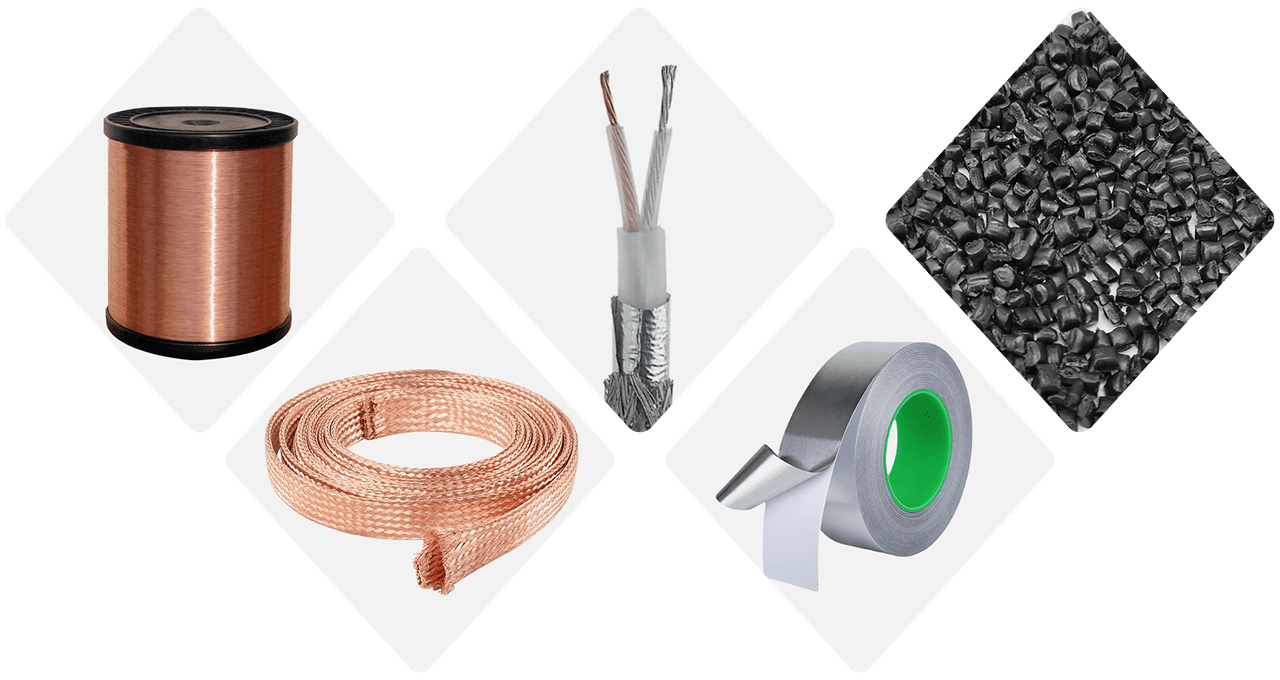
Choose materials that work well and are good for the environment. Copper is a good conductor, whether it is bare or plated, because it conducts electricity very well. Low-loss polymers like PE, FEP, or PTFE are used in insulators to cut down on signal loss. People often use copper braid and foil that has been coated with tin or silver to cover a whole shield. Jackets made of PVC, PE, or fluoropolymer keep the cable safe from heat, oil, and wear and tear.

Bare copper

The best material for the inner conductor is bare copper. It has good electrical conductivity and low resistance, which are two of its best features. This makes performance better and signal loss very small. Copper is strong and easy to work with. It is either solid or stranded, depending on how flexible it is. Many good coax cables have copper cores that aren't covered. We only use high-purity copper for signal quality.

Twixial cable designs

A single shield surrounds the two inner conductors of a twisted-x cable. It works well against background noise because it sends balanced differential signals. Twinax is used for high-speed digital or audio data transfer links. Most of the time, its impedance is 100Ω. The dual cores keep the signal stable and cut down on crosstalk. Twinax is best for digital audio systems and short-run data. We can design twinax for data centers, broadcasts, and custom AV setups.

PVC,PE,FEP,PFA can be used for Coaxial cable

PVC is a common, low-cost cable jacket material with flame-retardant properties. PE delivers excellent dielectric and electrical performance. High-temperature FEP and PFA feature minimal signal loss, resistance to chemicals, heat and weather, and are widely used as plenum-rated materials in construction. Foamed PE or specialty PTFE reduce capacitance. Plastics are selected by durability, temperature range and signal requirements.

Tin, Silver plated copper use for shields

Copper that has been covered in tin or silver is the most common material for shield wires and braids. Tin plating makes it easy to solder and protects against rust. Silver plating protects the surface and makes it very resistant to rust. We actually use tin-plated braid for cheap shielding. Silver plating is put on important RF and microwave wires to cut down on loss. Both options will reliably keep interference from happening, and they both offer a ground path.

AL Foil can be used for shields

Aluminium foil shielding is a common part of coax designs. Foil gives you full coverage and keeps out interference at high frequencies. It doesn't cost anything, is very thin, and is light. Wrapping a copper braid around a sheet of foil can make it more protective. That said, foil by itself is fragile and doesn't bend well. Coaxial cables often use a foil-and-braid structure to mix strengths. The foil gives full coverage, and the braid adds strength and flexibility.

What Coaxial Cable used for

Coaxial cable sends digital and RF signals with very little loss. It connects to antennas for radio and TV. You can connect your cable box, satellite dish, and internet modem to it. Coax is also used to send digital audio and video. It is used a lot in data centers, telecom networks, and broadcasting. In short, coaxial cable is used in any situation where a perfect high-frequency connection is needed.

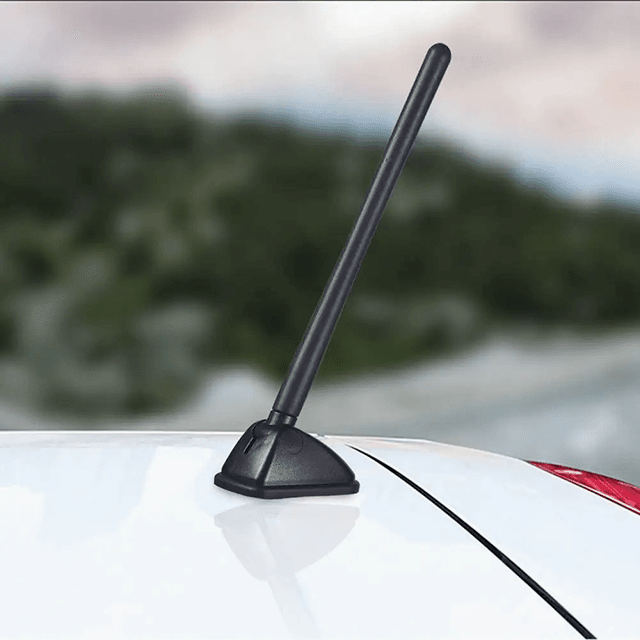
Automotive antenna

Coaxial wires connect antennas in cars to radios and navigation systems. For example, vehicle radios, GPS, and cell phones use the coaxial wire that runs from the roof or dash into the electronics. Coax for cars needs to be able to bend and not break when it gets wet. The jackets and plating are made to last against UV light and rust. These wires can handle big changes in the temperature of the car. Our automotive-grade coax will keep your radio, GPS, and data signals crystal clear while you're on the go.

Equipment antenna

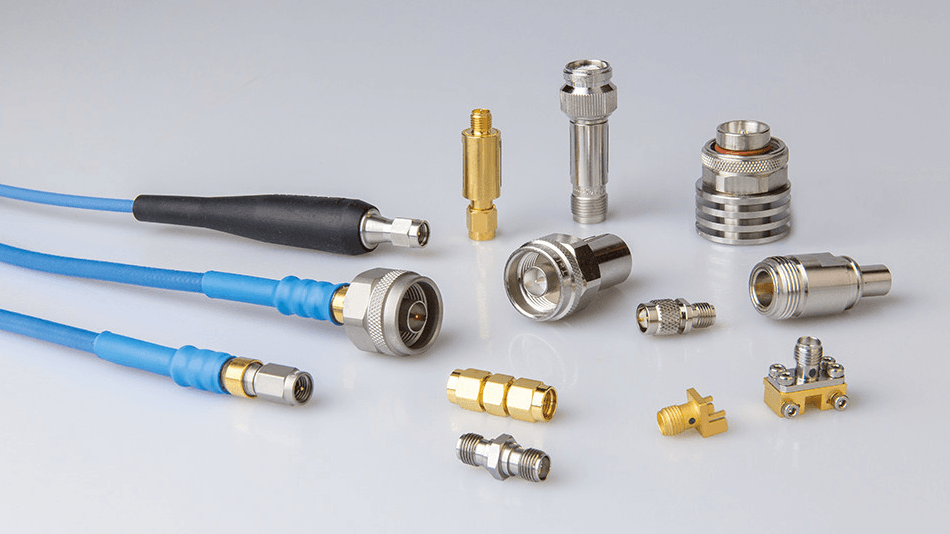
Coax cables connect devices to antennas outside. Wi-Fi access points, base stations, and lab equipment are all examples of these kinds of things. You can connect an external antenna to a wireless router with a coax cable. Test equipment uses precision tester cable coaxial assemblies to calibrate and measure. Equipment cables often have connectors like SMA, BNC, or N-type. We make sure that these coaxial cables keep signals clean in any arrangement by using the right impedance and low VSWR.

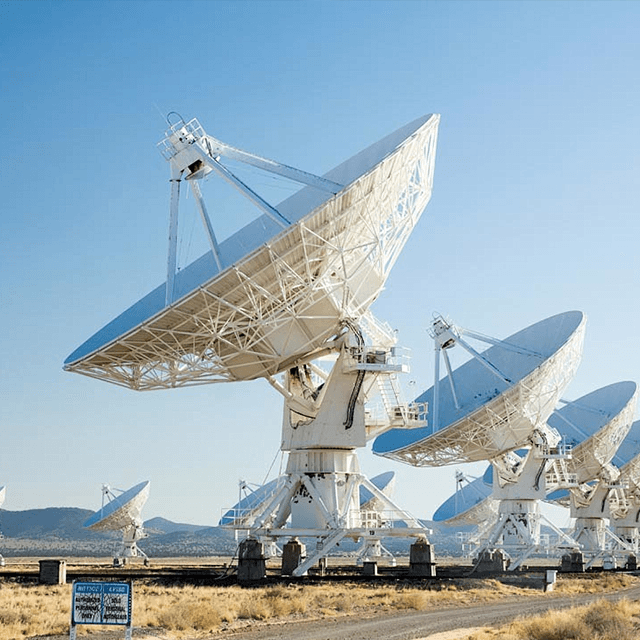
Millitary Radar

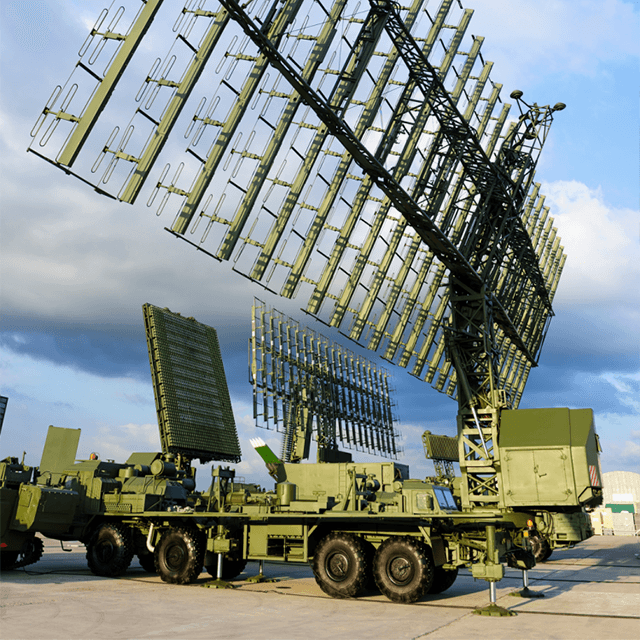
Military and radar systems need coaxial cables that work very well. These wires carry strong microwave signals that change frequency. Our radar cables have the least amount of loss because they have strong multi-layer shielding and PTFE dielectrics. The materials are strong and last a long time, which is what the military needs. The cables won't catch fire even when the temperature and humidity are very high. These coaxial assemblies are necessary for sending signals accurately for important communications and radar systems.

Low-Loss Dielectrics for Ultra- Stability

The PTFE core has a very low dielectric constant (about 2.05), which means that it doesn't lose much signal.

Foaming low-density PTFE foams increases velocity (VoP up to about 78%), and it also lowers dielectric loss.

Phase-stable dielectrics, like PHAS-Tek, don't show phase shift at temperatures above 10.

This material has an exceptionally high VoP (78–90%) because it has an expanded PTFE (VEL-Tek) and a core that is seamless.

These dielectrics make sure that the device works consistently and with little loss, even when it is working at microwave frequencies.

Technical Specifications Table

Below is a typical range of technical parameters for our custom coaxial cables. Tighter tolerances are available upon request.

Parameter
Range
Notes
Impedance
50Ω / 75Ω ±2Ω
±1Ω available for precision applications
Frequency Range
DC – 18 GHz
Up to 40 GHz with special materials
Capacitance
75 – 100 pF/m
Lower capacitance reduces signal loss
Velocity of Propagation
66% – 85%
Higher Vp means less signal delay
Operating Temperature
-40°C to +85°C
Teflon jacket extends to +200°C

Low-PIM Architecture for High-Capacity

The best cable for 5G and other high-capacity wireless networks is one that lowers passive intermodulation (PIM). To do this, you need to use special building methods and materials that have low PIM. We use high-quality plating and non-magnetic connectors to keep connections from becoming non-linear. Copper conductors and shields that are plated with silver or tin lower PIM12. Since all the connectors are tightly sealed, no holes or trash will be able to get in. We test cables using industry PIM standards. Precision manufacturing and multi-layer shielding keep interference at bay, making sure that multi-band wireless signals are clear.

Pre-Terminated Solution

Connectors are already connected to coax that has been pre-terminated. This way, mistakes and field termination work are avoided. Just plugging them in can save installers time.

All coaxial cables made in the factory are tested for insertion loss and VSWR. We promise to follow all of your instructions. Forget about making changes and testing on-site.

We make custom lengths and connection types so that everything works right away. In data centers, telecom sites, and security systems, the installation process is simpler.

Pre-terminated assemblies are the best choice when it comes to deployment time, labor costs, and quality. You can use the cables right away after you take them out of the box.

آراء العملاء

QL-Custom's coaxial cables improved our signal clarity. The cables matched our specs perfectly and performance exceeded expectations.

John Carlson

John Carlson

As an RF engineer, I value low loss. These cables have outstanding shielding and attenuation performance. Very satisfied!

Carlos Vega

Carlos Vega

Our automotive antenna project needed rugged cables. The QL-Custom team delivered high-flex, weatherproof coax quickly. Excellent job!

Sara Patel

Sara Patel

High-frequency radar systems need precision. QL-Custom provided custom coax assemblies that passed all tests with flying colors. Top notch quality.

Tom Baker

Tom Baker

We order pre-terminated cables from QL-Custom. Installation time dropped dramatically and performance is rock-solid.

Linda Nguyen

Linda Nguyen

Incredible customer service. They guided us through selecting the right cable and gave us a great price. The product works great.

James Wilson

James Wilson

Choose QL-Custom for Coaxial Cable Excellence

QL-Custom Technology Ltd. is the best place to buy coaxial cables. We make sure that every cable is made with the best materials for its intended use and is designed to meet your needs. Our in-house engineering guarantees tight tolerances, great shielding, and little loss. We handle everything, from coming up with ideas to testing them to shipping them quickly around the world. Because our team has worked in the defence, automotive, and telecom industries, they know a lot about coax. We promise full testing, technical support, and short lead times. You can count on QL-Custom for reliable service and high-quality coaxial cables.