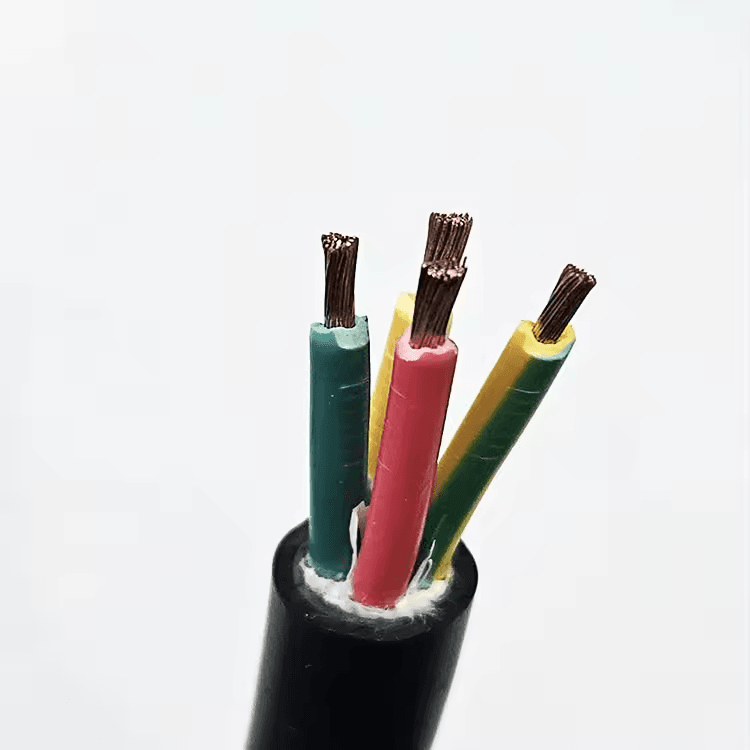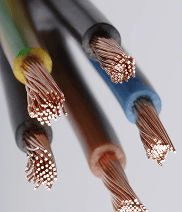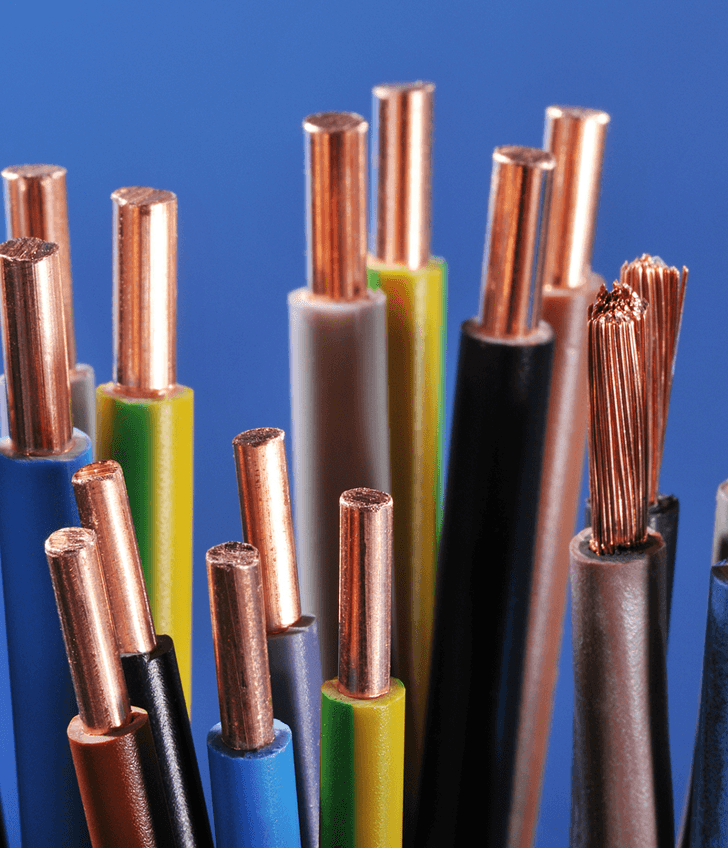
Mil-spec wire and cable are made to be very strong and reliable. These mil-grade wires and cables can handle very high or low temperatures, high humidity, and a lot of vibration.

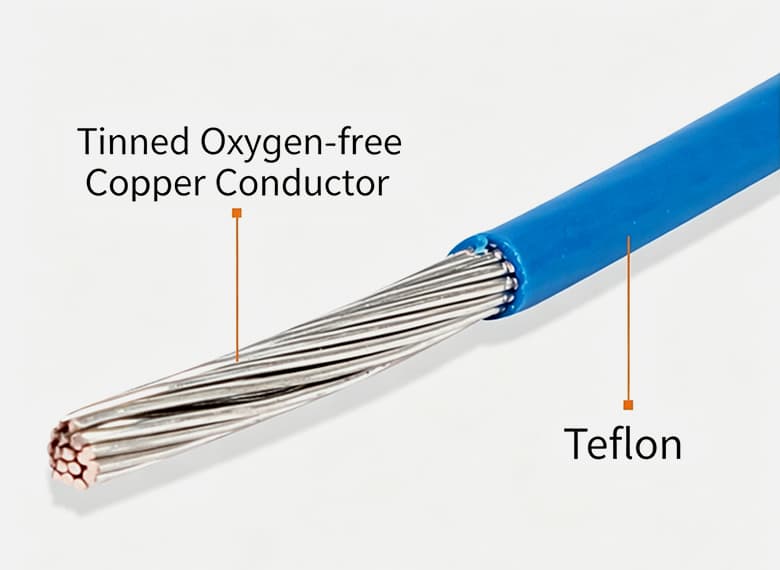
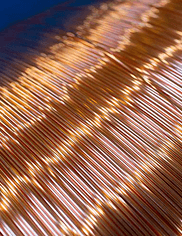
Mil-spec wire and cables are made to last in tough conditions by following strict rules. Sometimes, tin or silver covers strong metal cores, which are usually copper. They use strong coverings made of materials like PVC or PTFE to keep them safe from heat, chemicals, and wear. The wire's many small strands and good shielding keep the signal from getting lost, so the flow is always steady and smooth. Standards like MIL-DTL-16878 or MIL-W-22759 make sure that all cables are put through tough tests for heat, stress, vibration, and fire. These tests make sure that the cable will last a long time and be reliable. In short, these cables provide reliable power and information in places where interruptions are not allowed.
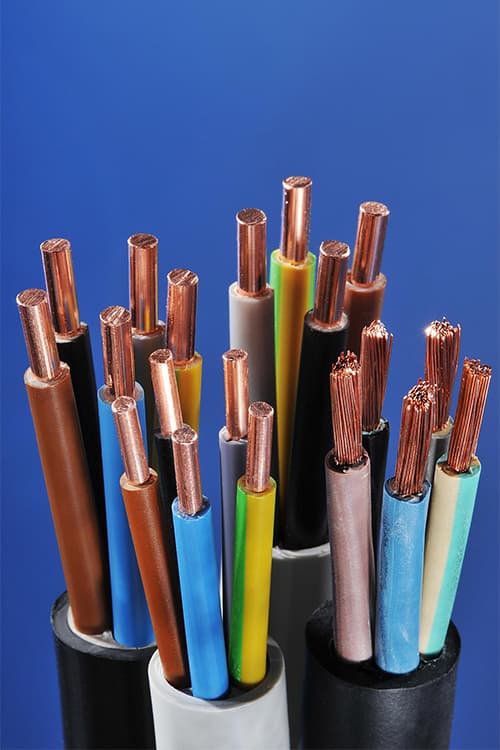
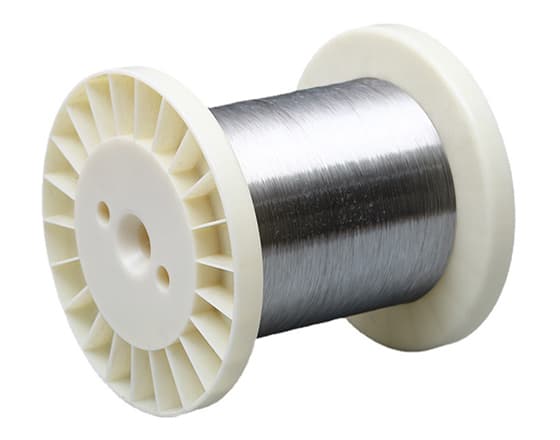
Mil-spec wire and cable is the standard for electronics hook-up wire, MIL-W-22759 is the standard for high-heat aviation wire, and MIL-C-17 is the standard for radio coax cables. The type of metal, cover, voltage, and heat limits that the wire can handle all depend on what it is going to be used for.

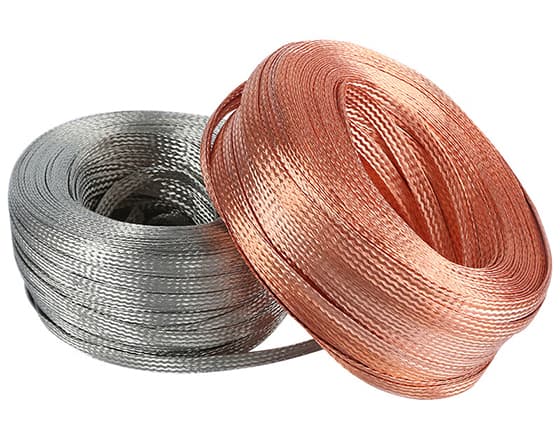
Mil-spec wire and cables often use coated copper to find a balance between price and quality of work. Copper that is tin-coated and cheap doesn't rust in humid places, is easy to solder, and can handle temperatures up to about 150°C. Silver-coated copper works better for quick signalling and high heat than other types of copper because it can handle temperatures between 200 and 250°C. Silver also helps cut down on signal loss at high speeds. So, silver is best for high signals and heat, while tin is best for wet places and easy use. Choose the right coating if you want it to last longer and work better.

Mil-spec wire and cable has XLPE, PA, or PTFE insulation, so good coverings are very important. PTFE is widely used because it is resistant to chemicals, works well at a wide range of temperatures, and helps reduce signal loss. XLPE not only keeps heat and cold out, but it is also strong and long-lasting. PA, or nylon, protects the outside from grease and wear. These wires can handle heat, petrol and vibration without losing strength or safety when connected in series. This also helps the cable last longer in bad weather.

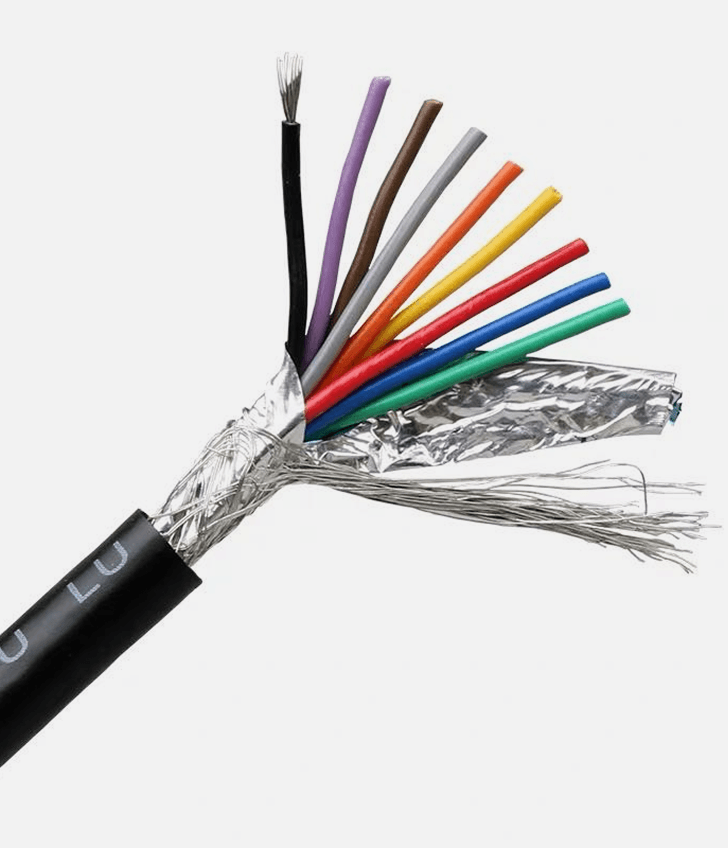
Mil cables use strong noise-cancelling shielding. The shield wires are also covered. Copper that has been plated with silver has very good signal and shielding properties. Nickel-plated copper is less likely to rust and can handle very high temperatures better. Tin-coated copper is easier to use and costs less. Many cables have two layers, like an inner foil layer and an outer braid layer, to cut down on different kinds of noise. This helps keep signals clean and stable all the time.

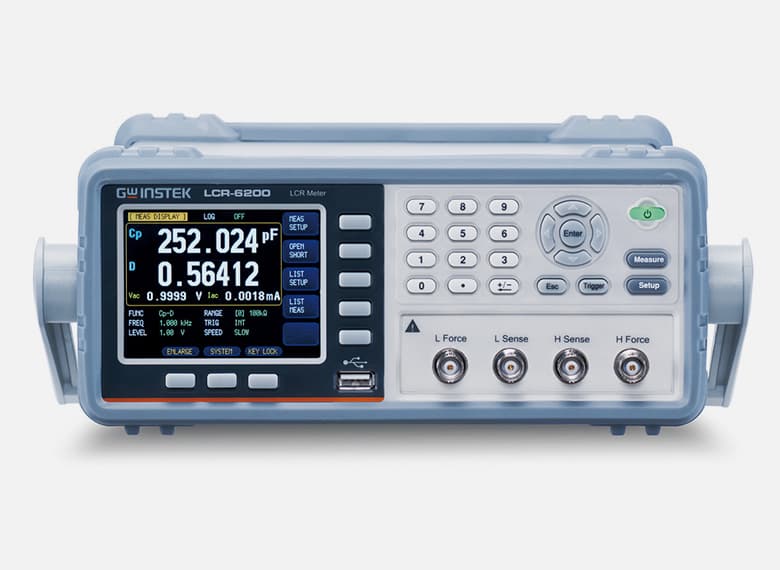
The most basic kind of resistance is direct current (DC) resistance at room temperature. But with AC, resistance goes up, especially at high speeds. This is because electricity moves faster through the wire's outer layer. This can raise resistance by about 10–20% at normal power use. Mil-spec wire and cables have a lot of tiny strands and are coated in silver to make this effect less strong. When engineers test a wire, they check to see if it works properly in both DC and AC. This helps keep the system safe and running smoothly.

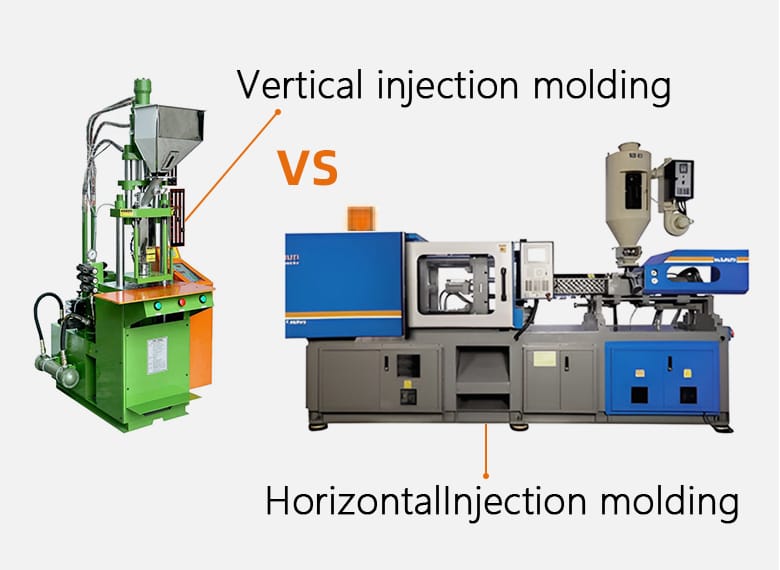
Specialised moulding is used for cable ends, which is different from vertical and horizontal injection moulding. In vertical moulding, the mould is set up so that it is straight up and down. Before filling, parts are added to it. The liquid can completely fill the space because of this. It makes strong cable ends with little mess. Horizontal moulding is better for longer runs, but vertical moulding is better for more precise work. You can count on both of them to work. Choosing the right strategy can help you get stronger and finish faster.

Many Mil-spec wire and cables use silver-plated copper because it is the best material for conductors. Silver reduces signal loss and makes signals move more easily. It can handle both extreme heat and rust. It stays connected well and is easy to solder. Because of this, it is highly recommended for important systems. It also helps make things more reliable over time.

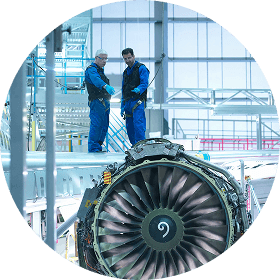
Mil-spec wire and cable is used in aerospace and other applications, such as spacecraft, ships, and planes. It works well in very hot, very cold, and very strong conditions. Several parts use power and signal. This makes sure that systems are always working safely.

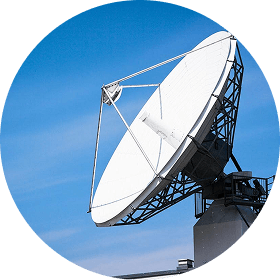
These connections make sure that radio and network systems get clear signals in the fields of telecommunications and broadcasting. They make sure that signals are strong and clear. This helps improve the quality of communication and cut down on signal loss.

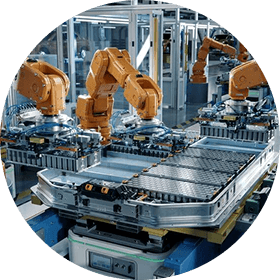
These wires are used in factories to power machines and equipment. They have to stand in long lines to work while dealing with heat, grease, and movement. They help machines run without stopping.

In the life sciences and medical fields, medical equipment uses these cables to send signals in a sterile way. They can send strong signals for cleanliness and patient care. This helps systems and doctors get more accurate.

Extreme Reliability: Mil standard cables are made to last. Every cable goes through a lot of testing for heat, vibration, and fire. These tests make sure that the cable works in any setting.
Redundancy: Important systems may have extra wiring so that operations don't stop if one wire goes down. This keeps systems running. It makes things even safer.
Premium Materials: Only high-quality materials are used to make sure that the structure stays stable for a long time. These include special metals and strong coverings. Over time, this helps things last longer.
Precision Manufacturing: Careful work procedures keep the size and shape, which leads to strong, clean cable connections. This improves both quality and performance.
Traceability: Keeping track of and recording each cable makes sure it can be traced. This helps find problems and keep quality high at the same time. It also helps improve output in the future.

Mil-spec wire and cables are made to safely and reliably move power and data. A lot of the copper is covered in silver. Because of this, electricity can be moved with very little heat loss. The wires are both strong and flexible because they have a lot of small strands in them. In important systems, this keeps messages clear and steady. It also helps parts last longer when they are used regularly.

Using special insulations like PTFE and XLPE makes signals more stable. These materials can handle both extreme heat and cold. They keep their capacitance and impedance the same over time. So, the speed of the signal stays the same. It helps cut down on noise and signal loss. This works great with fast systems and long wires.

Strong barriers keep noise from the outside out. Cables use foil and braid coatings to keep electromagnetic interference from getting through. This makes sure that data and radio communications are safe and sound. It also stops communication from one wire to another. Even in systems with a lot of traffic, signals are still clear and easy to read. This helps systems run smoothly.

A lot of cables are made with a certain amount of resistance. This makes it easier to match up things like radar and network lines. It keeps the data flowing smoothly and cuts down on reflections. It also helps the system reach its highest speed. This is very important for tasks that need to be done quickly. Good design keeps performance stable.

These wires stay strong even when they are under stress. They work in an environment that includes temperature, humidity, wetness, and vibration. Even after being bent a few times, they still work well. There are no dangerous levels of insulation or resistance. This makes the system safer and easier to use every day. There are also fewer needs for repairs.
Our company sells connectors with overmolding. This makes connections that are both strong and sealed. We can make a lot of different kinds of specifications and forms. The design helps with water drainage and relieves strain. This keeps wires safe while they are in use. Setting it up is also quick and easy.
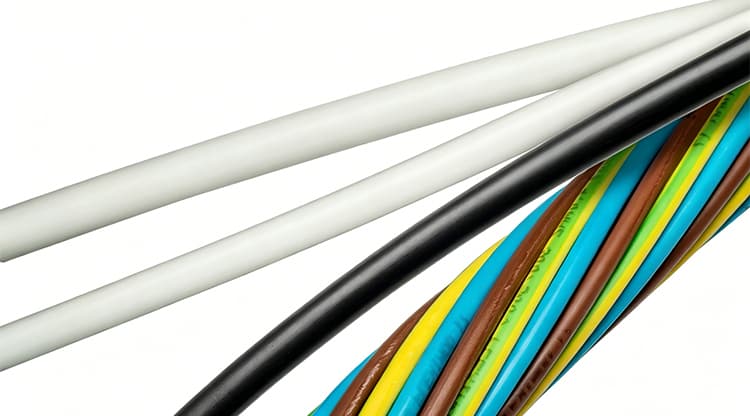
You can put colours and labels on Mil-spec wire and cables. Because of this, users can quickly find cables. There could be words or stripes on the jacket. People still follow the rules about colours. This means that people make fewer mistakes at work. It helps save time even in complicated systems.
You can make pairs and groups of wires. They can be bent and protected. The shields could be made of foil or braided. This is a better way to protect each pair of signals. Its job is to keep the data lines clean and working. The signal's quality is also better.
Our store has a wide range of jackets and types of insulation. Some of the choices are polyimide, PVC, TPE, and FEP. Some people use two layers to make the build stronger. This is good for the sun, heat, and wear. It also protects wires that are in hard-to-reach places. The right cover makes life and safety better.
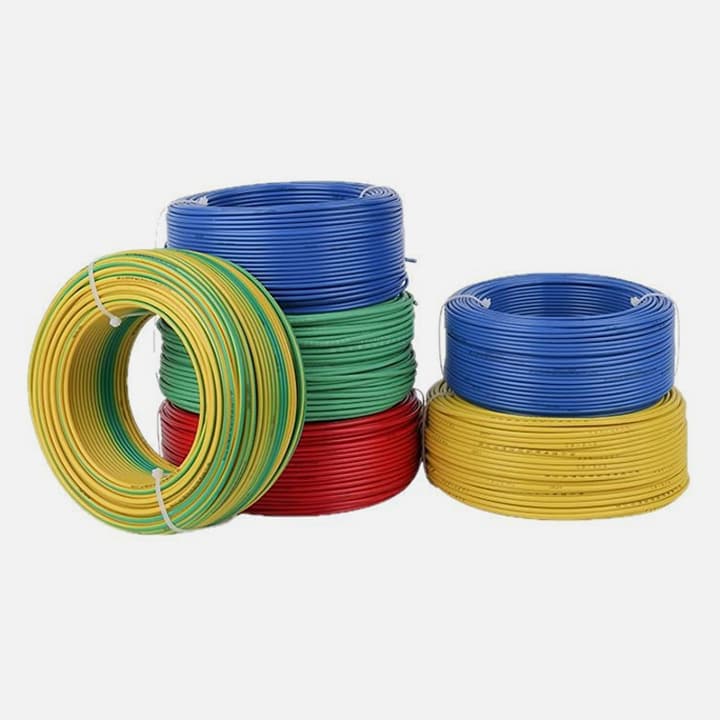
We have all kinds of lengths and packaging. You can buy a reel of wire or just a few pieces of it. We can also build whole cable setups if you ask us to. We can help no matter how long your run is. Every order goes through the same quality checks. This makes sure that the results are always the same.

QL-Custom’s mil-spec cable assemblies are top-notch. We tested them on a fighter jet and they never failed, even under extreme heat. Their team helped us customize cable lengths and labeling. Quality is top grade!
We needed shipboard-grade MIL cables. QL-Custom delivered exactly what we asked: tin-plated, tinned copper, PVC-jacketed wiring that resists saltwater. Install was easy and performance was flawless.
As a mil spec cable manufacturer, QL-Custom meets every spec page in our drawings. The shielding was perfect for our RF links, and the silver-plated conductors handled the heat from solar exposure. We trust their product fully.
Their mil-spec harnesses have worked great in our factory robots. The wires don’t fray or melt even with constant flex and hot oil exposure. Support was good, and they guided us through selecting the right MIL wire specs.
QL-Custom Technology Ltd. makes cables and wires that
are strong enough for the various sectors. Our locations
follow quality standards like ISO and AS9100. We keep
track of the results of testing each item. The quality
and ease of tracking are both kept up. We have
everything from raw wire to fully assembled parts. We
plan and supply well so that prices stay reasonable. We
also have stock on hand for quick shipping.
Our staff has a lot of experience in the Mil-spec wire
and cable sector. We help you right away and give clear
answers. We help you choose and design products.Our main
goal is to get results that are both reliable and
strong. Our cables are the best for mission-critical
applications. They won't accept failure at work. Testing
each step keeps the quality up.