Fili e cavi marini

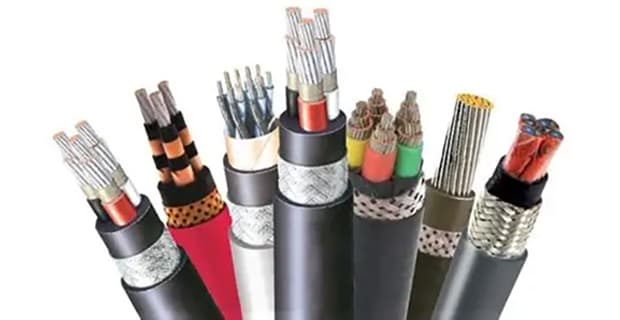
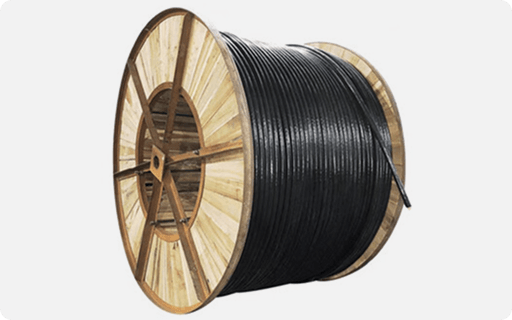
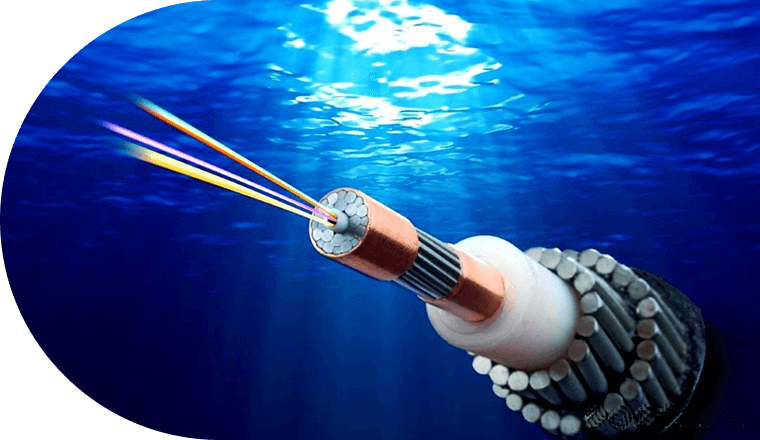
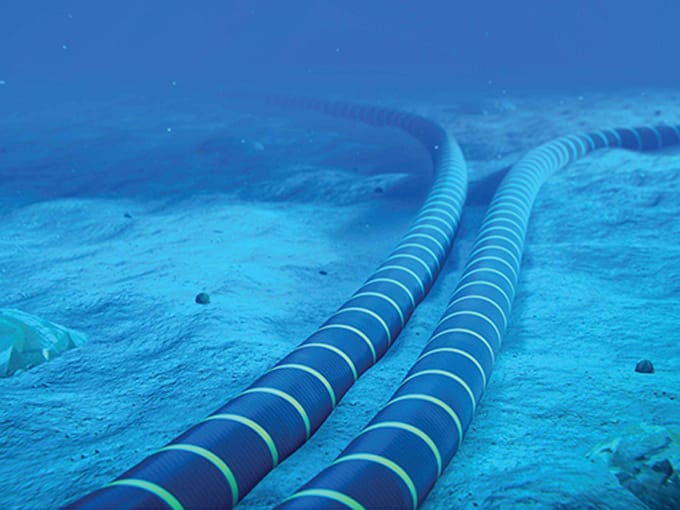
Marine wire and cable are made to be used on boats. These high-tech cables make it simple and safe to send electricity and messages. These cables not only stop problems, but they also keep systems running smoothly.

Marine cable VS Water-proof cable

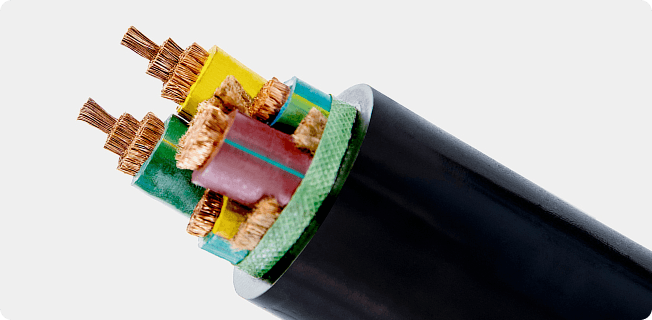
Many marine wire and cables have twisted wires to make them work better. Twisting the wires together makes a neat and simple design. This angle helps cut down on background noise and keeps the signal strong. It makes sure that the power flows smoothly and consistently. To keep copper wires from rusting, they are usually plated with tin. This makes them last longer in wet and salty places. Without degradation or interference, these cables may transmit signals across great distances. This makes machines more stable and dependable. It also helps fix problems with signal flow. Marine cables work best in wet and salty places like seas and rivers. You won't find these in most waterproof cables. Their strong materials and tough coverings give them the best protection. These covers keep air, salt, and water away from the wire. They protect the user from heat and tremors every day. There are safety rules that marine cables must follow to make sure they stay safe.
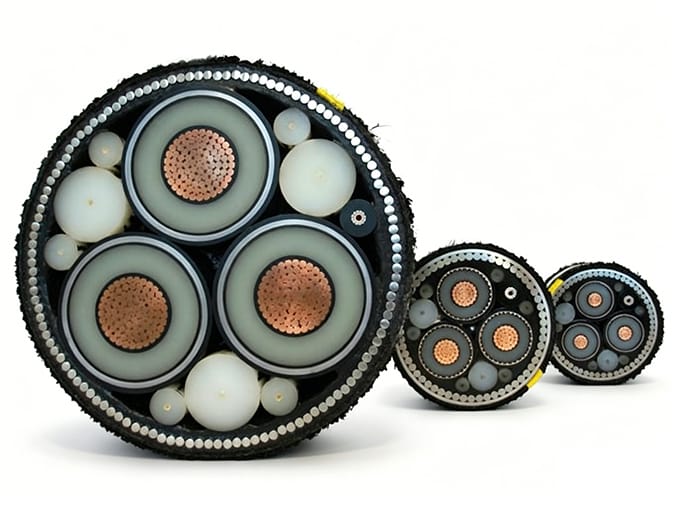
Cable make advantage

Making cables is a very careful and planned process. The marine wire and cables are made of pure, strong copper, which makes the power flow better. Put the cover on slowly and evenly. Long cables are often made with few joints to make them as strong and safe as possible. Over time, the cable will be stronger and safer to use.

Long cable no joints

Long cables are useful for a variety of tasks around the house and aboard boats. You can use them all at once without worrying about cuts or breaks. The end result is a cable system with fewer cuts and connections. Fewer joints mean fewer places where something could go wrong. This makes the cable stronger and safer in the long run. It also helps save time during the process of putting in the cable. This is very important in marine environments, where water can cause a lot of damage. It also helps reduce the amount of maintenance work that needs to be done. Both safety and savings on costs are better.

Dual Armour

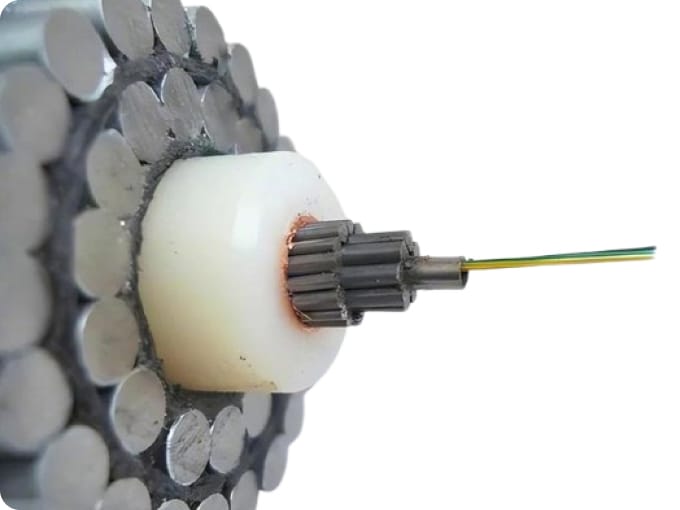
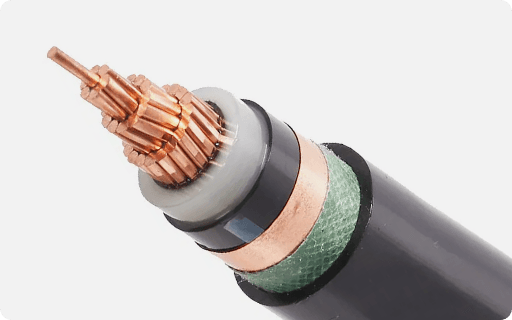
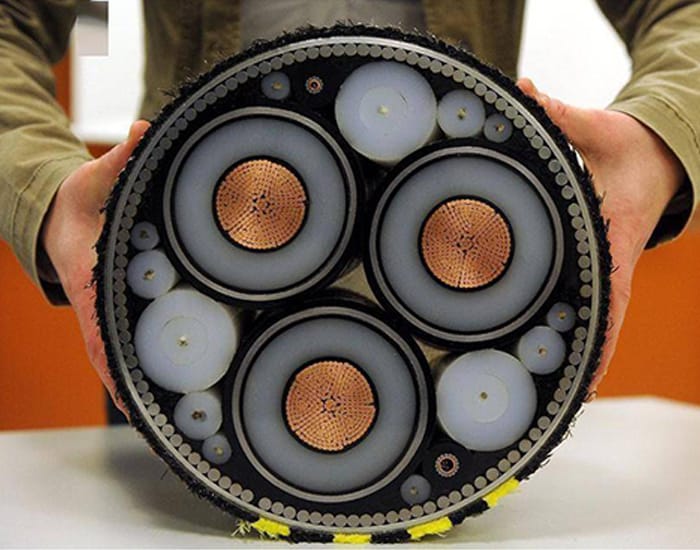
Look for cables with dual-armour construction to make them last longer and protect them better. These layers keep the wire safe and slow down its wear and tear. This layer could be made of a strong wire cover and a metal core. This lowers the chances of getting hurt by tools, pressure, cuts, or broken bones. It also keeps the inside from getting wet or salty. These marine wire and cables are perfect for places that are hard and likely to get damaged. They are sent to places that need strong protection every day. This helps keep the cable safe in tough work conditions. It also makes cables last longer.

Anti- Water stress

Marine cables also have the ability to keep water out of the cable system. For this reason, the cable is made of special materials. If these materials come into contact with water, they can expand and quickly form a barrier. This keeps the cable from getting wet. This keeps the inside dry and safe the whole time. The cover on the outside helps keep water from getting into the cable even more. This means that the cable will be safe for a long time. It also helps keep the system from breaking down and getting hurt. Better at keeping moisture out than dry ground.

Raccomandazione sul materiale

Conductor pre-heating techneque

Conductor pre-heating techneque

Before making the cable cover, it is important to warm the marine wire and cable up a little. This helps clean the wire's surface of water, oil, and dirt. It also makes the cover stick better to the wire. This makes the cable strong and smooth to the touch. It helps keep bubbles and weak spots from forming inside. This process has made the cable better and safer to use for a long time. It also makes the cable last longer. It keeps the cable strong while it's being used. The quality as a whole gets better.

Borlink low scorching series

Borlink low scorching series

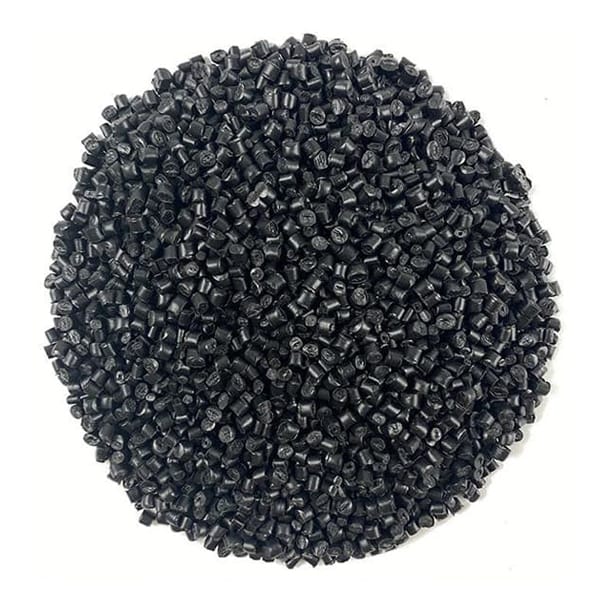
We use cutting-edge polyethylene compounds like Borealis BorlinkTM to insulate our marine cables. These "low-scorch" materials are incredibly heat stable when it comes to extrusion. This material can handle heat and the wear and tear of everyday use. It doesn't easily burn or crack when it's really hot or under a lot of pressure. This is why the cable can stay strong and flexible. This makes the cable stronger and more durable. This material makes sure that the electricity is always safe and steady, no matter what. The cables inside are also well protected. This makes the cable last longer in tough conditions. Both safety and strength are improved.

Cable Water-blocking seal

Cable Water-blocking seal

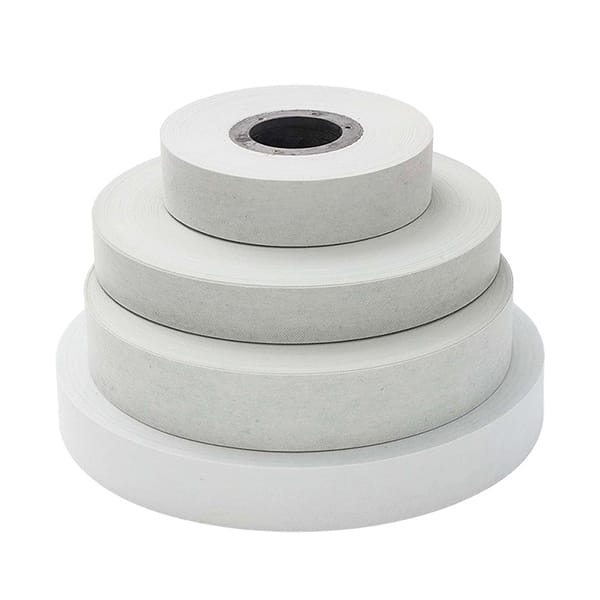
There are parts inside the cable that keep water out for extra protection. For the sheath, we use fillers and glues that might swell in water. When these things are dry, they turn into a rubbery gel when they come into contact with water. These parts make sure that the cable system stays dry. If water gets inside, they quickly grow and block the way. So, the rest of the cable stays dry and safe. By doing this, we make it less likely that the system will fail or cause damage. It also makes the cable last longer. This makes the cable design even safer. Another benefit is that it keeps the system safe from water damage. It gets better over time.

Stainless steel Armoured Lock

Stainless steel Armoured Lock

Strong metal parts are used to hold the cable in place. These parts are very resistant to rust because they are made of stainless steel. They keep the cable tight and stable while it's in use or on the way. Stainless steel, used for things like our cable glands and clamps, is extremely strong and has an IP68 rating for sealing. They also stop water from getting in at the ends of the cable. This will make the marine wire and cable less likely to get damaged by water and air. It also helps the cable last longer and be more durable. These parts make things safer in general. Also, they keep the wire from moving while they work. You can use them for a long time without any problems.

Marine design and solutions

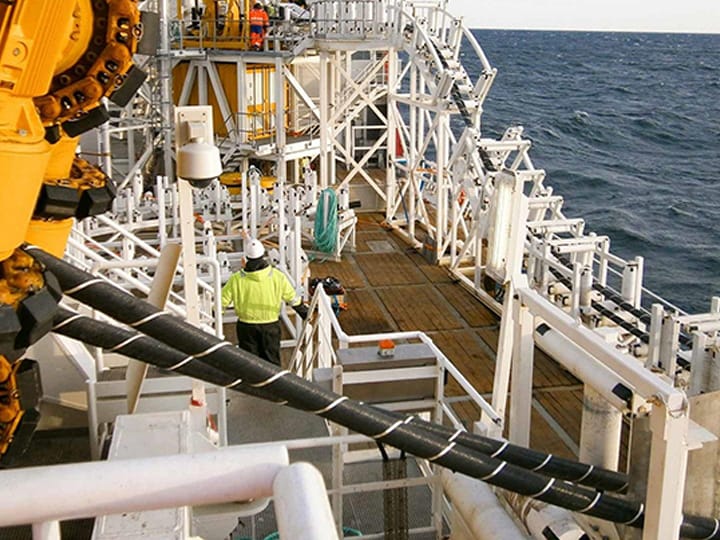
Engineers carefully plan and design the cables that go on ships and boats. The cable is easy to set up and use because of our new design. It also helps keep problems from happening in the future. Both safety and performance are better. It keeps everything running smoothly.

Water pressure Pre Testing

Water pressure Pre Testing

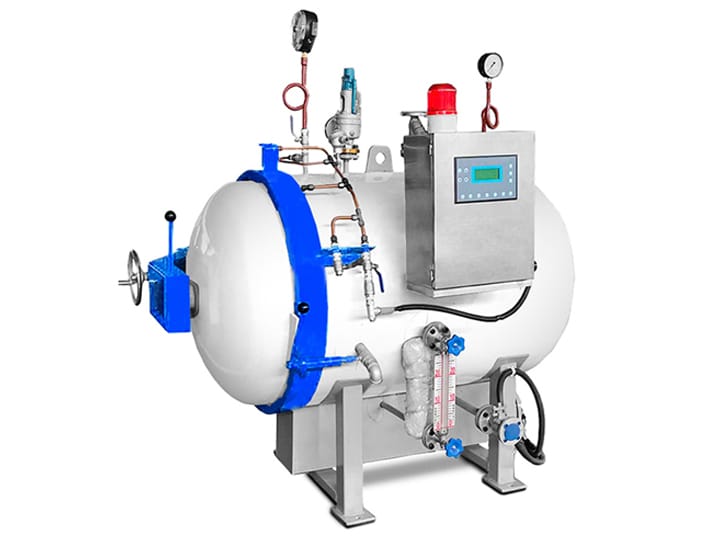
Every cable is tested under water pressure before it can be used for real work. At each step, the cable is carefully looked at while it is in water. The test is successful if water can get through the cable. If the cable gets wet, it won't be used. The test only works with strong cables. So, users are safe and problems don't happen. Testing is necessary to make sure safety. This helps check that the cable is ready. It makes sure the quality is top-notch.

High-power water jets fluidize the seabed

High-power water jets fluidize the seabed

There are a lot of tests that make sure the cable is strong and will last. It is tested to see how well it can handle heat and water. It is checked for signs of wear and tear, like cracks or bends, over time. If it stays good, there won't be any problems passing the test. This way, you can be sure that the cable will work in the real world. It also helps keep problems from happening in the future. Stronger marine wire and cables make the results better. Their daily tasks make sure that systems are safe to use. They make things more reliable.

The clamping force is hydraulically controlled

The clamping force is hydraulically controlled

During testing, strong clamps hold cables in place on machines. These clamps apply just the right amount of pressure to keep things safe. They hold on to the cable tightly without breaking or damaging it. The cable stays strong and secure during the tests. It also helps keep water from getting into the ends. This makes the cable work better and last longer. The end product is of better quality. It also keeps the cable steady while it's in use. It helps things last longer.

Industrie e applicazioni

Offshore oil and gas extraction

Offshore oil and gas extraction

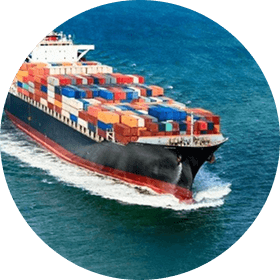
Large ships use strong cables. These cables are necessary for machines to work. They power pumps and lights. They should be careful when they are in the salty water. They don't all rise at the same time.

Commercial and Naval Ships

Commercial and Naval Ships

Both commercial and naval ships use a lot of wires. Wires make it easier for the engine to work. This helps the ship move to a new location. They make the world brighter. Make sure they won't catch fire. The wind and water are their territory.

Recreational Boating

Recreational Boating

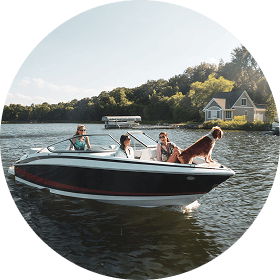
Small boats use softer lines. They are needed for things like radios and lights to work. They help pumps move water. It is very easy to bend these wires. They won't rust in water. They are safe for even small boats to use.

Renewable & Marine Infrastructure

Renewable & Marine Infrastructure

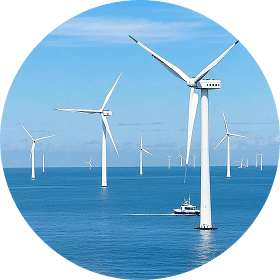
Huge fans in the ocean make power. They use strong wires. Docks and ports also use wires. Wires make it possible for both lights and electricity to work. They need to be able to handle the heat and salt.

Subsea Equipment

Subsea Equipment

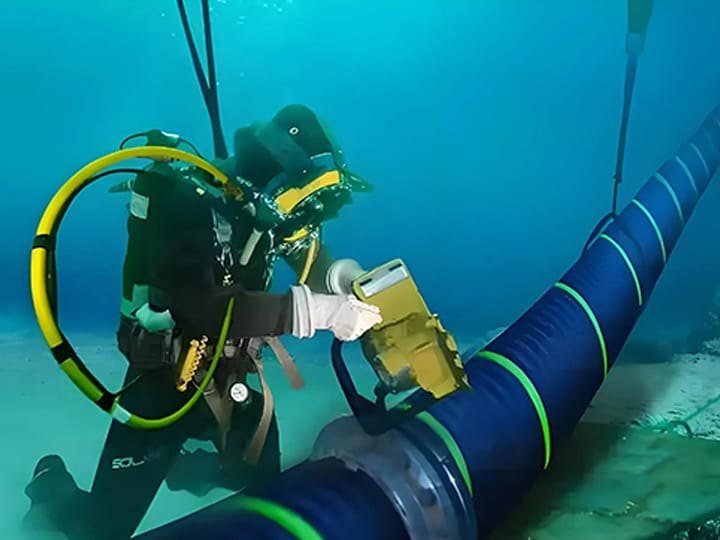
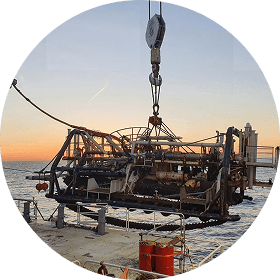
Some devices are made to work underwater. We use dedicated cables. These marine wire and cables carry both electricity and signals. They stay dry inside. They are under the water in the ocean.

Certified Marine Cable Products

UL 1426 Marine Wire

We sell UL 1072 tinned copper marine battery cables and UL 1426 main marine cables. These follow the boat wiring rules set by the ABYC and the US Coast Guard.

IEC 60092 Standards

Shipboard electrical systems follow IEC 60092's rules for power and control cables. For continuous use at 90°C, all jackets and insulation must meet the requirements of IEC 60092-351/359.

Class Society Approved

Many class societies for maritime and offshore systems, such as ABS, DNV-GL, Lloyd's, and others, will certify cable designs to meet their standards.

Fire & Safety Rating

The IMO/SOLAS fire and safety ratings for these cables are good enough. They are made from low-smoke, halogen-free (LSH) materials (IEC 60332, IEC 61034).

Environmental Compliance

All of our marine electrical marine wire and cable and cable is made with materials that meet RoHS and REACH standards. This means that it is safe to use in international waters.

Extreme Moisture and Salt Exposure Design

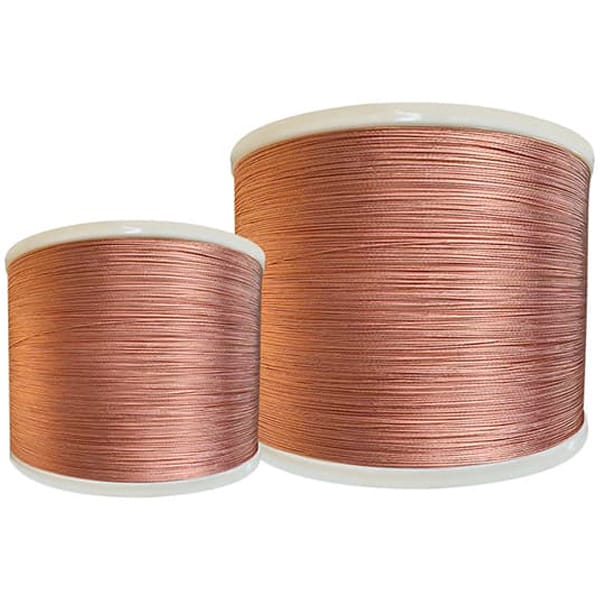
All of the cables have premium copper conductors that have been carefully annealed and are completely free of harmful oxygen gas. This sturdy tinned marine wire structure effectively keeps corrosion from happening in humid and salty coastal outdoor places. When water gets on the finished cable product, the internal water-swell yarns and special tapes quickly shrink into a tight gel layer, sealing it perfectly. Because of this reliable active water-blocking design, fluid can never easily get through the inner cable core.

Cross-linked polyethylene (XLPE) insulation with a core that meets IEC 60092-351 is the best choice because it doesn't absorb much water and is very resistant to chemicals. XLPE can stay at a constant 90°C with very little dielectric loss. The outer jackets are made of flame-resistant PVC (SHF-1) or TPU, which makes them very strong. These materials can handle both water and wear and tear. The outerwear you chose is resistant to oils and salt and works well down to -50°C. Anomalous armour made of steel or aluminium completely protects the cable core from the elements, making it last longer. This multilayer shielding keeps salts and moisture out, which makes the life 2 to 3 times longer.

Designed to Meet International Maritime Standards

Marine Power Cables

Marine Power Cables

Our marine-grade power cable is built to meet the requirements of IEC 60092-350, UL 1426, and UL 1072. They wear armour and jackets that can handle being in seawater and carry heavy loads at 90 °C all the time. For example, ships can use QL's power leads instead of battery and shore power lines.

Data and High Voltage

Data and High Voltage

For marine wire and cables that need more stability, we use cutting-edge compounds like BorlinkTM to insulate them. Using higher extrusion temperatures and "low-scorch" XLPE insulations makes the cable cleaner and more stable. You won't see any outgassing when you use them with DC or AC voltages.

AWG Range

AWG Range

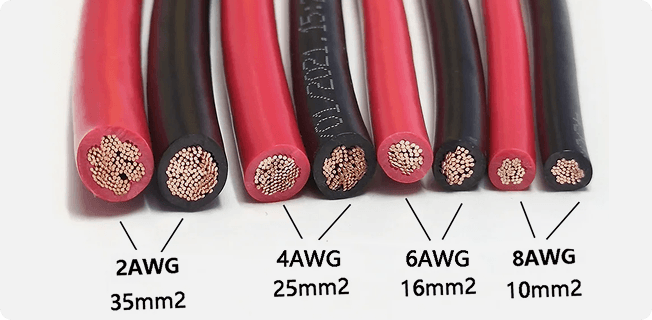
We have a lot of tinned copper wires that can be used to connect power and ground. These include 14 gauge, 12 gauge, 10 gauge, and 8 gauge wires. We can make them as large as 4/0 AWG if you need them that large. The fine-stranded structure makes installation easy, even in tight spaces or with movable rigging.

Shipboard Compliance

Shipboard Compliance

The cables meet all maritime cabling standards, including those set by the International Maritime Organization (IMO), the United States Navy (IEEE 45), and the European Union (EN 60092). They only use materials that have been deemed safe for use in the maritime industry.

Recensioni dei clienti

These marine cables are top-notch. After two seasons at sea, there’s no corrosion on my tinned wires, and the insulation still looks new. Very happy with the quality and reliability!

John Smith

I rewired my yacht with QL’s wires. The differences are clear – they’re much more flexible and durable than regular RV wire. Installation was easy and I feel confident in stormy weather.

Emily Johnson

Outstanding marine electrical wire. It’s strong, supple, and the tinned copper is easy to work with. I’ll definitely use QL-Custom for all my boat wiring projects.

Michael Lee

We needed long runs with no splices for our boat lights. QL delivered 300 ft reels of cable – no joints needed. Super impressed with the water-blocking feature; no moisture issues at all.

Sophia Martinez

Why Choose QL-Custom for Marine Wiring

QL makes marine wire and cables that are strong and reliable. These cables are made to handle tough jobs at sea. They last a long time. They work best in salty water. They stay safe, strong, and reliable. A lot of people and businesses depend on them. People think these cables are safe. The materials used to make them are of very high quality. They go through a lot of hard tests. They give good results over a long period of time.