LHEXXXXX the part number we used for wire harness materials
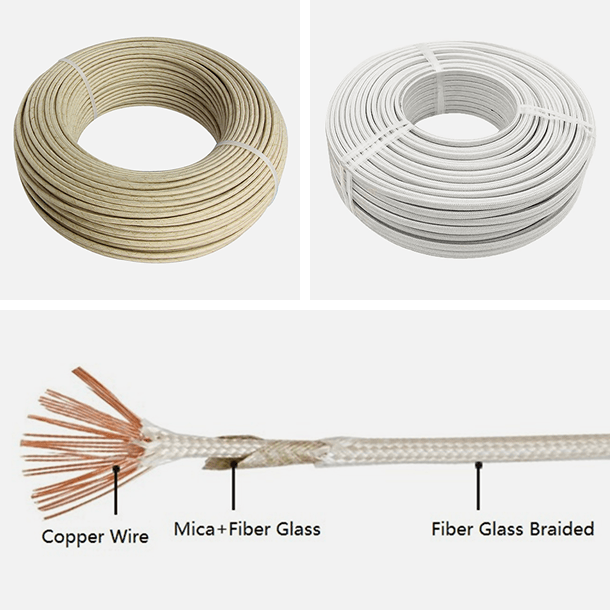
If you are looking for LHE part number materials for your wire harness or cable assemblies, please ask us for price and specifications and data sheet ! LHEC means cable LHEW means wire LHET means terminals \contacts\pins LHES means shrinking tubes LHEP means plugs LHEM means mold tools LHEL means label sales@QL-Custom.com LHEXXXXX part number means Descriptions LHET3247 TE63445-2 Equal LHEC0499 UL2651 4P 28AWG ribbion灰色 LHEW1292 UL3135 16AWG Green LHEW1291 UL3135 16AWG Blue LHEW1290 UL3135 16AWG Black LHET3246 Lumberg MICA 04 Equal LHET3245 Stocko 7238-004 Equal LHET3244 Stocko 7234-004 Equal LHET3243 RVN5.5-3.5 LHEW1289 UL3512 10AWG Green LHEW1288 UL3512 10AWG Red LHEW1287 UL3512 10AWG Black LHEL2702 White label with black text:"M" OD:3.0 L=10mm LHET3242 PHR-12 原厂 LHEL2701 White label with black text:"MR" OD:3.0 L=10mm LHEL2700 White label with black text:"FR" OD:3.0 L=10mm LHEL2699 White label with black text:"RL" OD:3.0 L=10mm LHEL2698 White label with black text:"ML" OD:3.0 L=10mm LHEL2697 White label with black text:"RR" OD:3.0 L=10mm LHEL2696 White label with black text:"FL" OD:3.0 L=10mm LHET3241 MS3112E18-32PNL替代 LHEO0278 20*30 自封PE袋 16丝 LHET3240 Molex 1480286001 原厂 LHET3239 2.8mm公插片 0.5mm厚 LHEM2160 5.5*2.5DC母头2468#20/2PIN线外模线夹 LHEM2159 5.5*2.5DC母头2468#20/2PIN线内模线夹 LHEM2158 5.5*2.5DC母头2468#20/2PIN线网尾 LHET3238 H3A-MCV-2B/1F 母芯盖子 灰色 LHET3237 H3A-MCV-1L/1M 配公芯盖子 灰色 LHET3236 带板 DP公头无卡勾 黑胶芯端子15U LHEW1286 玻纤编织线 24# 7/0.2 导体+云母+玻纤 外被白色 达到450度 OD:1.2 LHEW1285 玻纤编织线 24# 7/0.2 导体+云母+玻纤 外被黑色 达到450度 OD:1.2 LHET3235 963294-1 原厂塞子 LHEC0498 UL2464 24AWG 红黑 黑色外被 LHEC0497 UL2464 24AWG 5C 黑白红黄绿 黑色外被 LHEC0496 UL2464 24AWG 3C黑黄红 黑色外被 LHET3234 HARTING 09691812550 原厂 LHET3233 HARTING 09670008278 原厂 LHET3232 Molex 19006-0013 原厂 LHET3231 Molex 19002-0008 原厂 LHET3230 HARTING #09692020111 原厂 LHET3229 Molex 33012-2001 Equal LHET3228 Molex 334720606 Equal LHET3227 Molex 334724006 Equal LHET3226 裸端子压14-16#线 LHEW1284 24AWG FG Insulated NPC wire 450℃ White OD:1.0±0.1 LHEW1283 24AWG FG Insulated NPC wire 450℃ Black OD:1.0±0.1 LHES0141 4:1 Black PTFE shrink 260℃,OD:4.5 LHEM2157 Cable gland LHEW1282 UL 2468, 18# Red LHEW1281 UL 2468,...
Читать далее "The Wire Cable Harness Drawing Standards
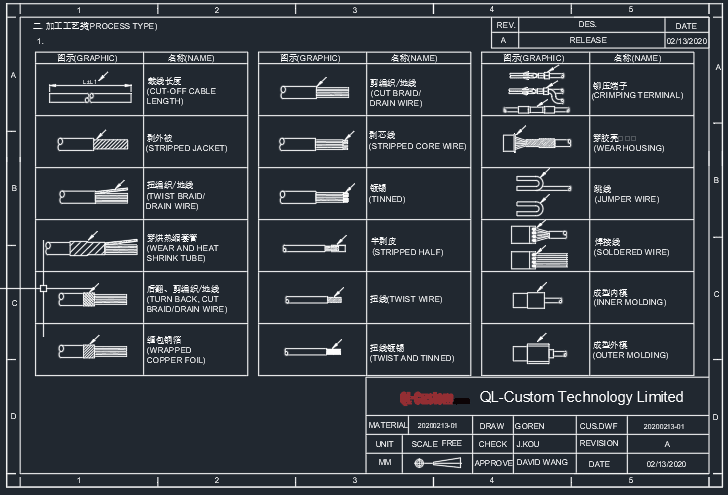
Importance of the Wire and Cable Harness Drawing In the realm of modern engineering and design, wire cable harness drawings hold paramount importance. These drawings serve as blueprints that detail the intricate layouts of wiring systems, ensuring that each component is correctly connected and functioning as intended. Without precise drawings, the likelihood of errors increases, which can lead to system failures, costly repairs, and even hazardous situations. For engineers and designers, mastering wire cable harness drawing standards is not just an option but a necessity to ensure the reliability and safety of their projects. Wire cable harness drawings are essential for several reasons. Firstly, they provide a visual representation of the electrical connections and layout, making it easier for engineers to understand and communicate the design to others involved in the project. This includes manufacturers, technicians, and quality control personnel. A well-drafted harness drawing eliminates ambiguities, reducing the risk of misinterpretation and ensuring that everyone is on the same page. [caption id="attachment_8110" align="alignnone" width="541"] Wire Cable Harness[/caption] Secondly, these drawings play a critical role in the manufacturing process. They guide the assembly of the wire harness, specifying the lengths of wires, the types of connectors, and the routing paths. This level of detail is crucial for ensuring that the harness fits correctly within the physical constraints of the application, whether it's in an automotive, aerospace, or industrial setting. Accurate drawings help streamline the production process, minimize errors, and enhance the overall quality of the final product. Mastering Wire Cable Harness Drawing Standards: A Comprehensive Guide for Engineers and Designers [caption id="attachment_8109" align="alignnone" width="777"] Wire Cable Harness[/caption] To master wire cable harness drawing standards, engineers and designers must familiarize themselves with industry norms and best practices. These standards are established by organizations such as the International Electrotechnical Commission (IEC), the Institute...
Читать далее "Тефлон PTFE PFA плоская лента молнии провод и кабель
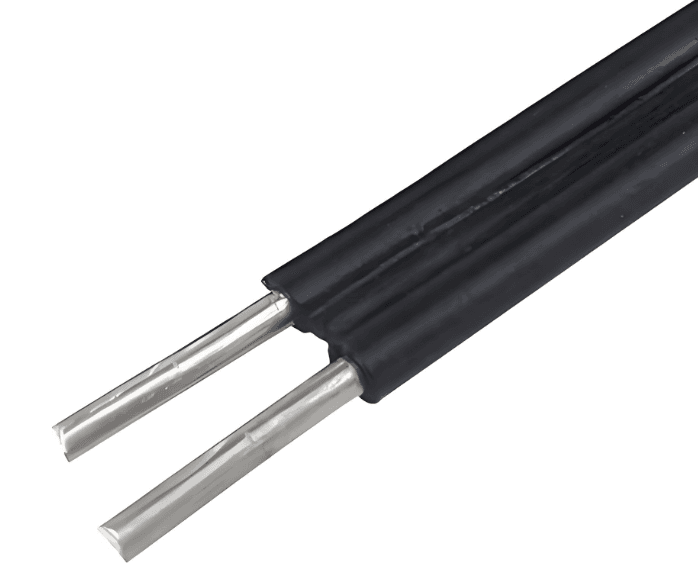
The Power of Teflon: A Deep Dive into PTFE and PFA Ribbon Zip Wires and Cables In the realm of modern electrical engineering, Teflon has emerged as a transformative material, fundamentally altering our understanding and usage of wire and cables. Polytetrafluoroethylene (PTFE) and Perfluoroalkoxy (PFA), the scientific names for these advanced polymers, have set new benchmarks in terms of performance and reliability. With their extraordinary heat resistance, chemical stability, and electrical insulation properties, PTFE and PFA ribbon zip wire and cables are indispensable in high-performance environments. As the demand for superior electrical components continues to surge, delving into the complexities of Teflon-based cables unveils how these materials are more than just conduits; they are crucial to ensuring safety, efficiency, and longevity in a myriad of applications ranging from consumer electronics to critical industrial systems. Understanding the profound impact of PTFE and PFA on the electrical industry requires a comprehensive exploration of their unique properties, the production processes involved, the reasons behind their distinct features, and their extensive range of applications. This in-depth analysis will illuminate how these materials have revolutionized electrical wiring and cabling, providing the backbone for technological advancements across numerous sectors. The Unique Properties of PTFE and PFA PTFE and PFA possess a set of remarkable properties that make them stand out in the world of polymers. One of the most notable characteristics of PTFE is its exceptional thermal resistance. Capable of withstanding temperatures up to 260°C (500°F), PTFE does not degrade or lose its mechanical properties under extreme heat. This makes it an ideal material for applications where high temperatures are a constant concern. Similarly, PFA shares this thermal resilience but offers slightly better mechanical strength and flexibility, making it suitable for dynamic environments where cables need to endure both heat and motion. Another critical property of...
Читать далее "