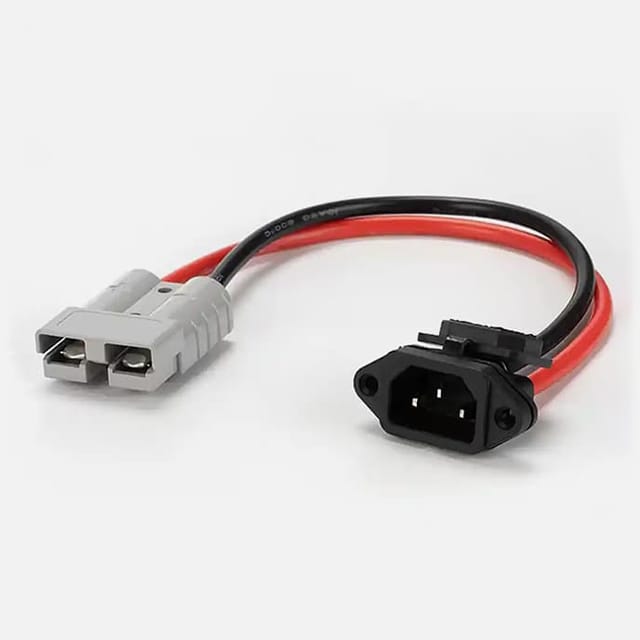
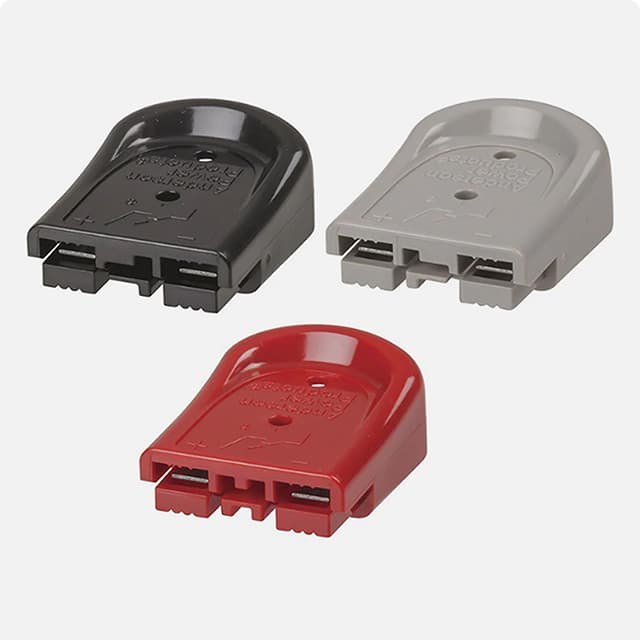
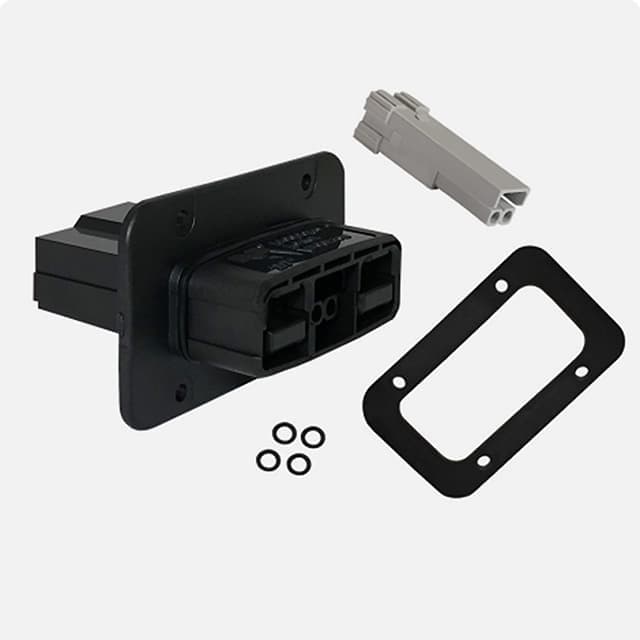
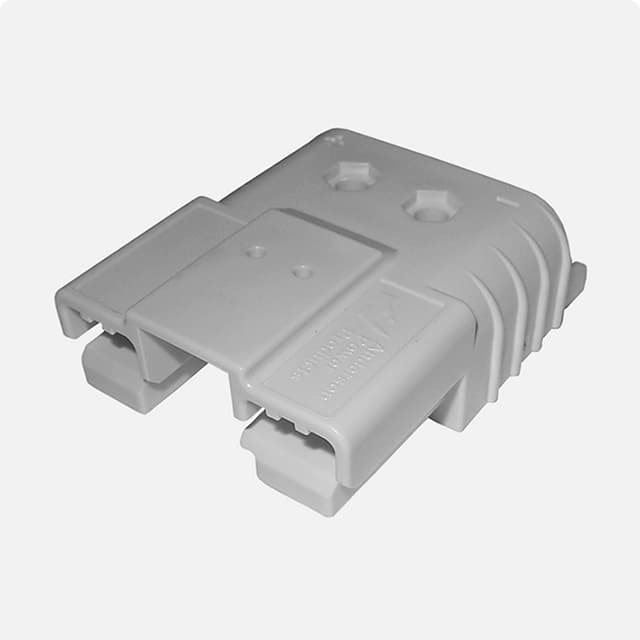
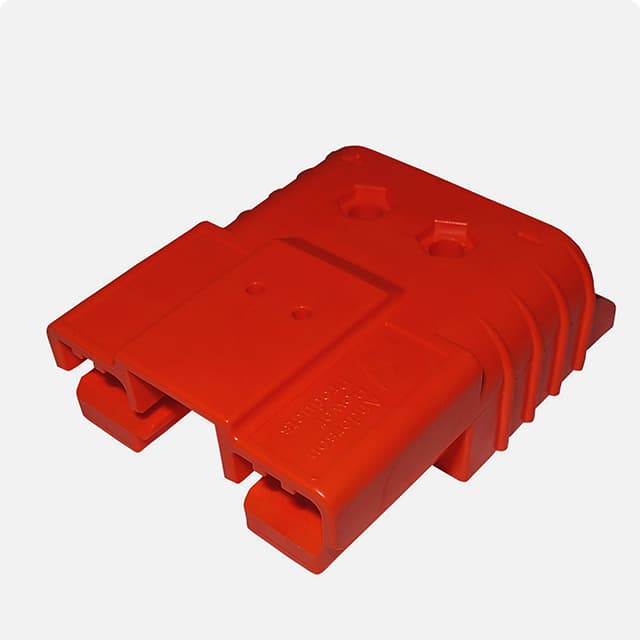
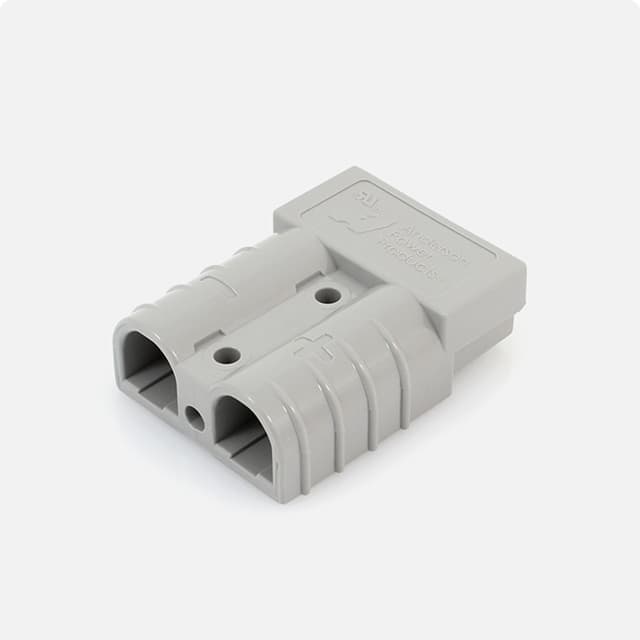
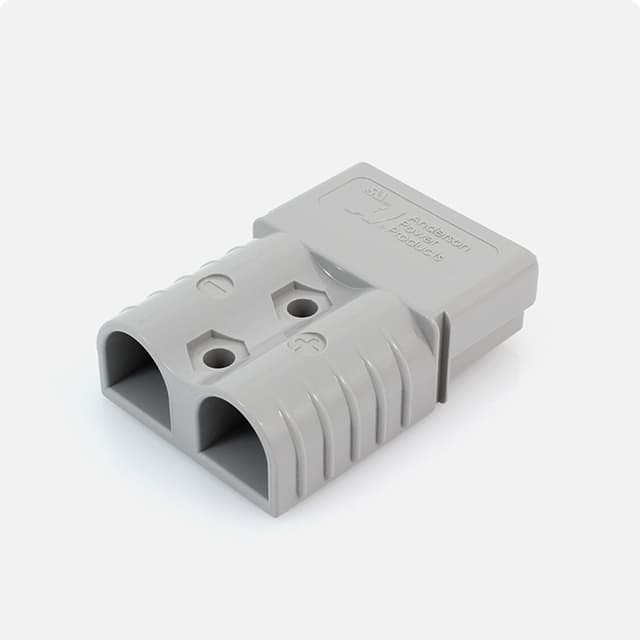
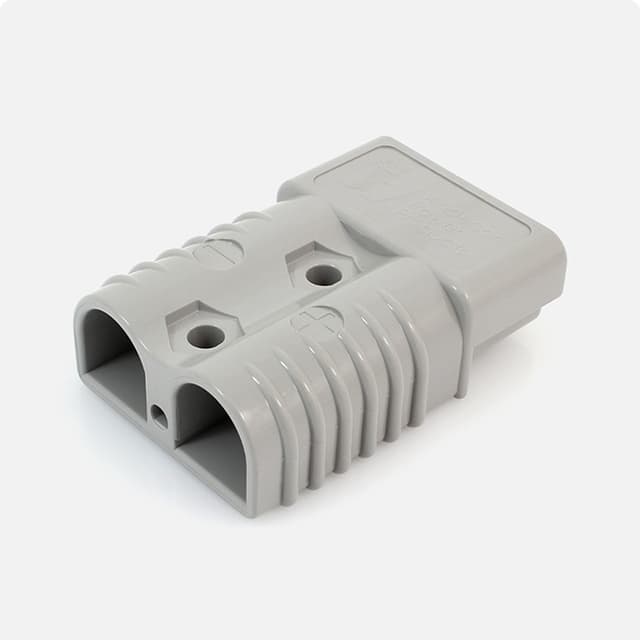
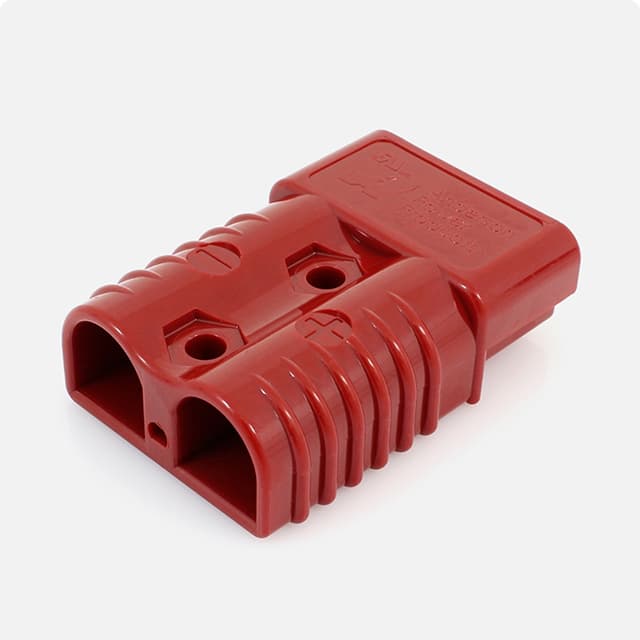
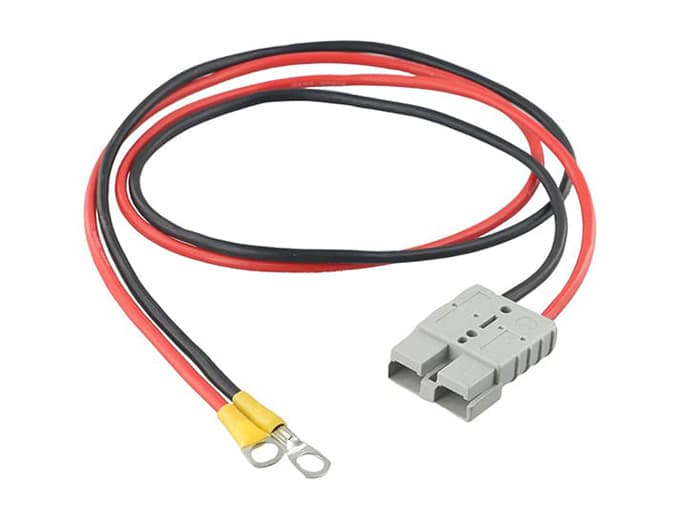
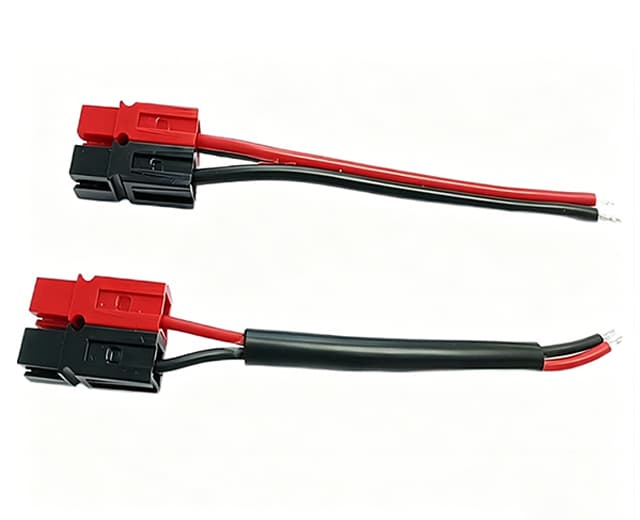
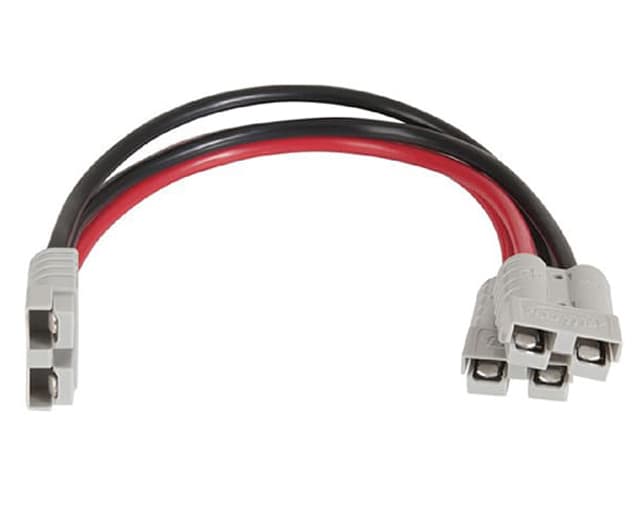
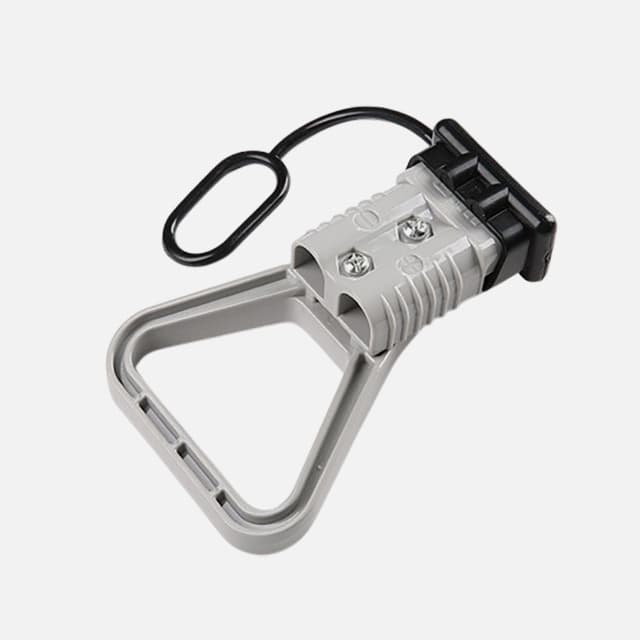
Anderson typical kits
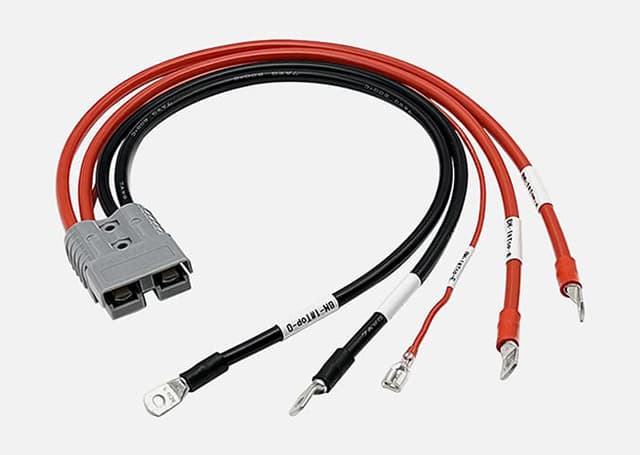
Any of the Anderson lower parts kit assemblies will give you a
clean, code compliant installation as they come complete with
all the necessary parts. A kit means you don't have to guess and
less chance of using the wrong bits. Having the right gear can
speed up building a new system or replacing worn parts.
Grip of the connector
Be sure to grip the Anderson cable assembly connector
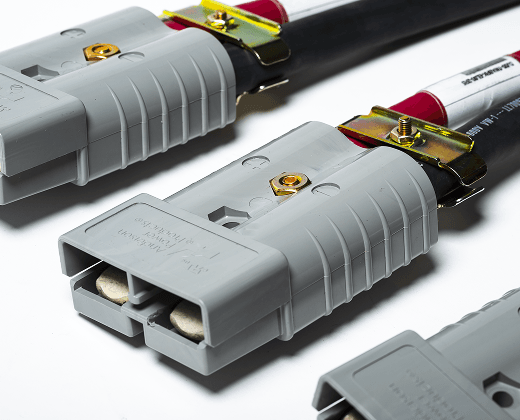
tightly, this ensures safe operation. The connection housing
has ribbed sides for a secure grip. It makes for easy
mating, even in tight spots. The right grip makes it easier
to pull the connection apart under stress. Certain models
are equipped with a locking lever or wedge latch to prevent
accidental disconnection while in operation. This is
important for mobile machines such as forklift trucks that
are constantly on the move. One-handed mating and unmating
are also made possible by the ergonomic design of the grip.
This speeds up the battery change process in fleet
applications. And this makes the whole system easy to use,
durable and lasts for many days.
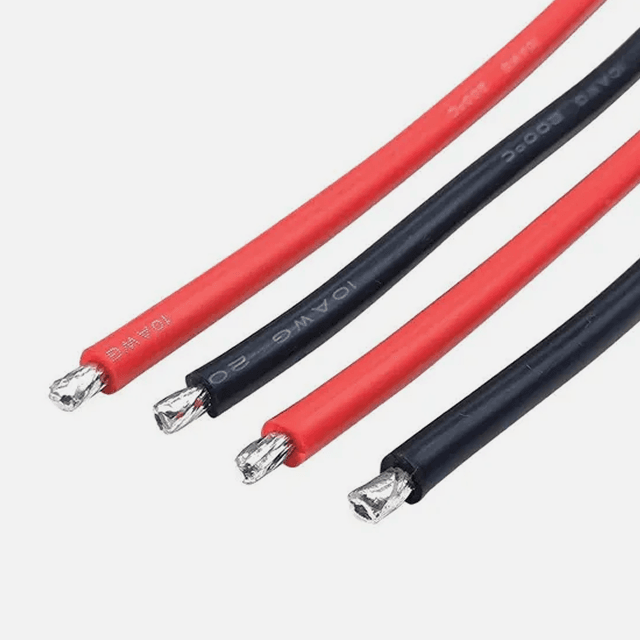
Battery wire
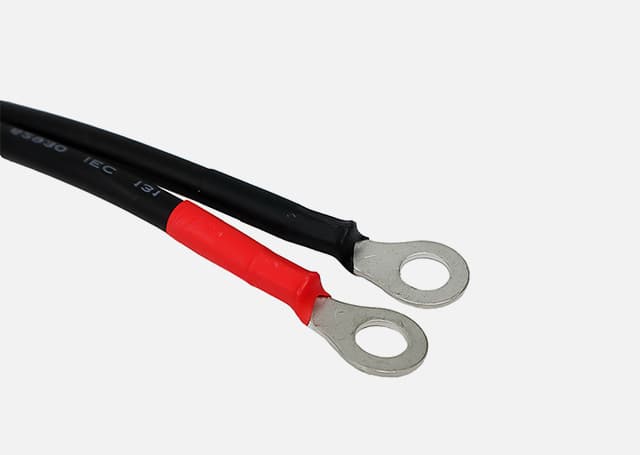
Anderson battery cable assemblies use battery wire that is
mechanically and electrically sound. The advantage of
flexible stranded copper wire is that it can be bent many
times without getting tired. Undersized wire will heat and
deteriorate quickly so it’s important to select the gauge
depending on the continuous current rating of the connector.
For 50A applications, the most common gauge with Anderson
connectors is 6 AWG and for 600A systems it is 4/0 AWG. The
wire jacket can be exposed to oils, chemicals, ultraviolet
light, and extreme heat. Different things call for different
jackets: silicone, EPDM and PVC. Colour coding helps to make
it easier to assemble and service the wire correctly. Red is
positive, black is negative.
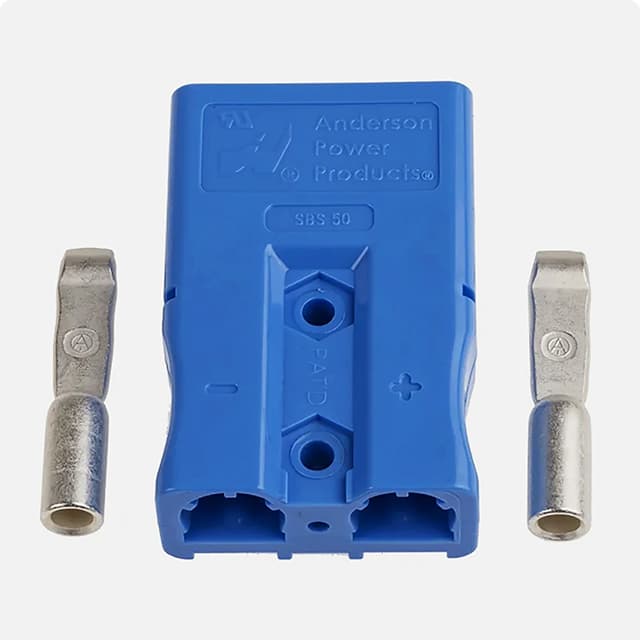
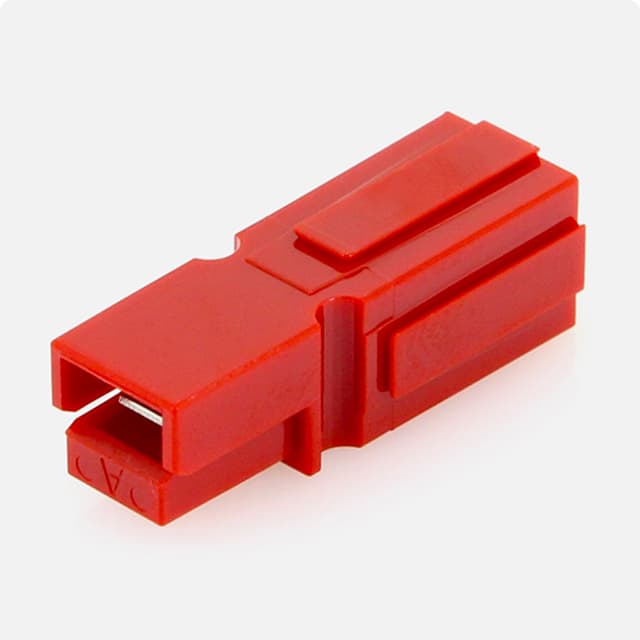
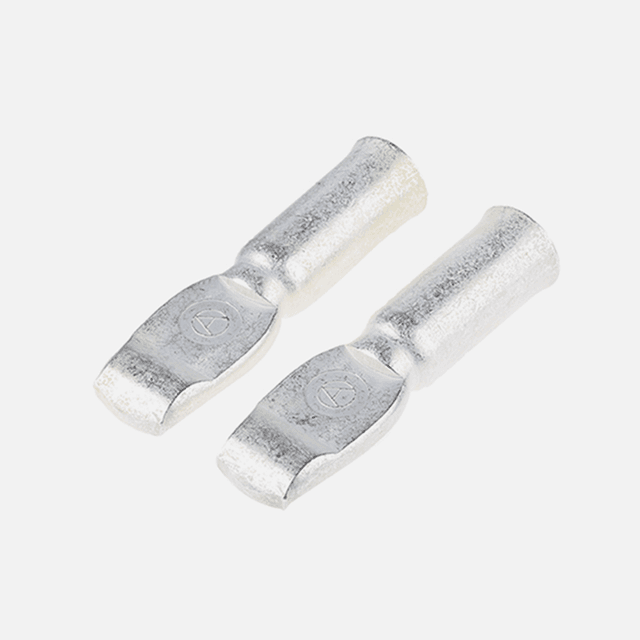
Anderson terminals
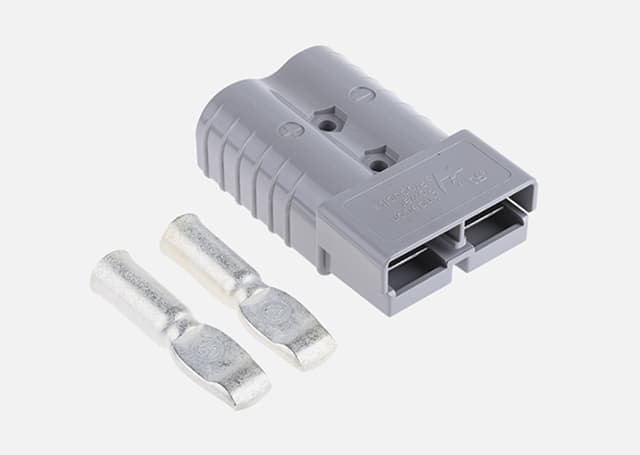
The connection housing is quickly and easily attached to the
silver-plated copper contacts (also known as Anderson
terminals). Silver plating has high resistance to oxidation
and excellent conductivity at high current levels. Each
terminal size corresponds to a specific series of
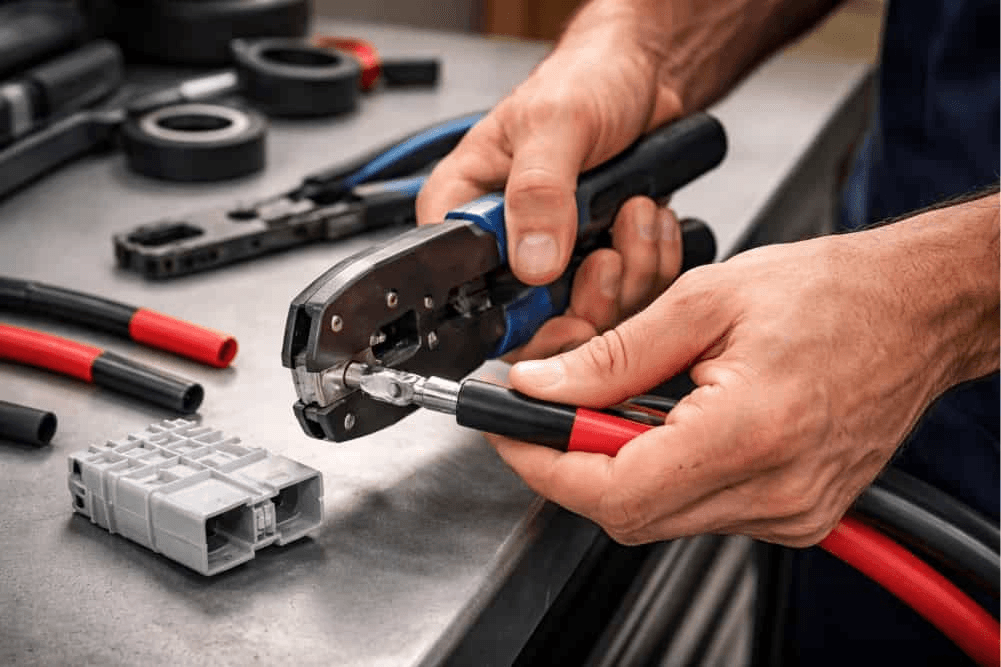
connectors. For example SB50, SB120, SB175 or SB350. Crimp
the terminals onto the wire conductor with the proper
ratchet crimp tool. A well-made crimp junction has less
resistance than the wire itself. Terminals are crimped and
then pushed into housings where they are held into place by
snap-in retaining tangs. The retaining mechanism keeps the
terminal from becoming loose from stress or vibration.
Individual terminals can be swapped out in the field instead
of the complete connection housing.
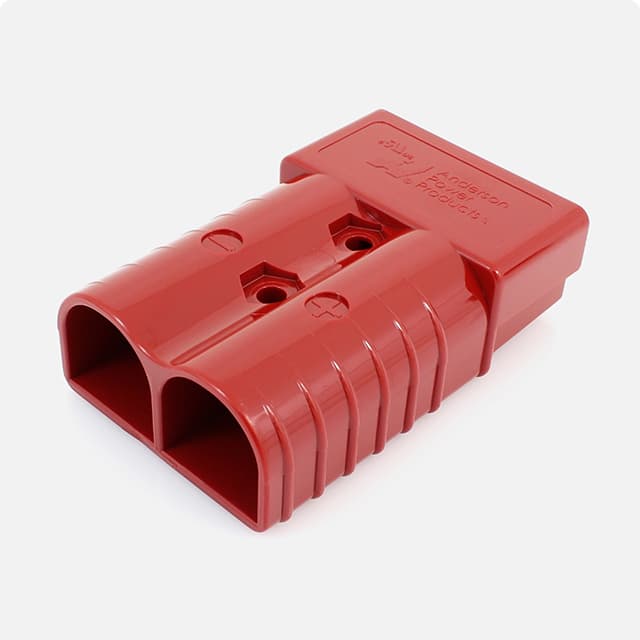
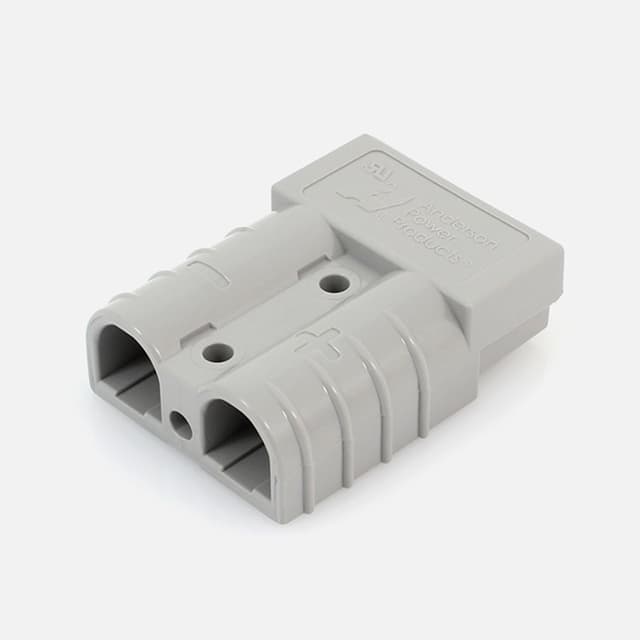
Anderson connectors
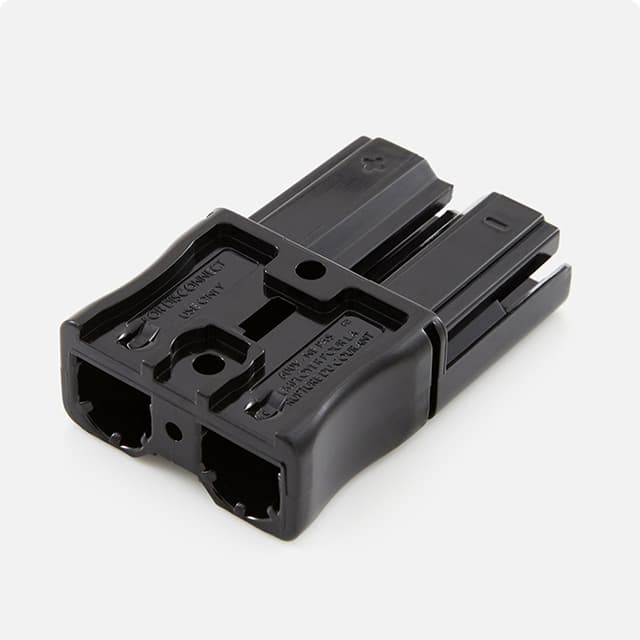
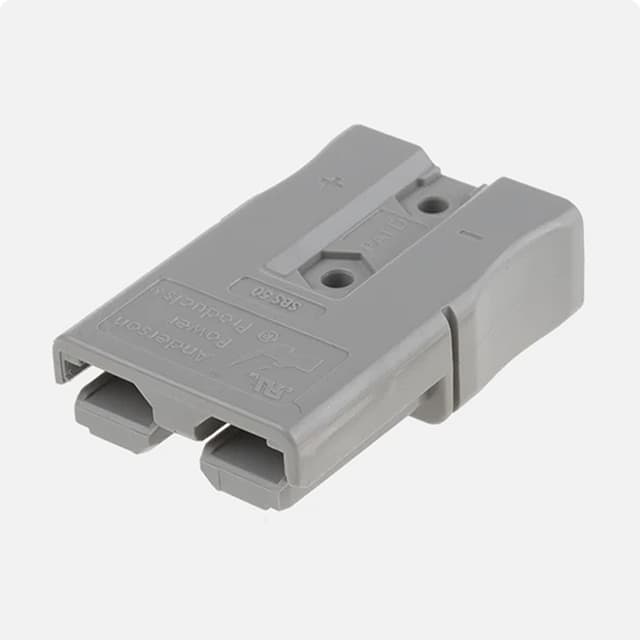
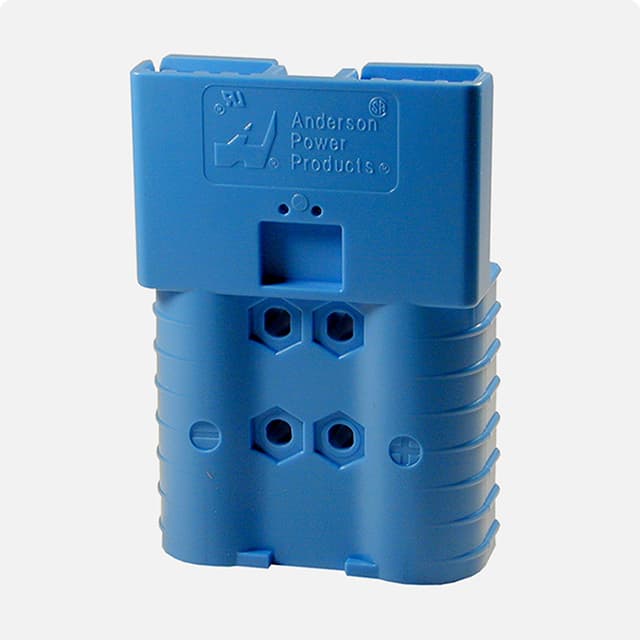
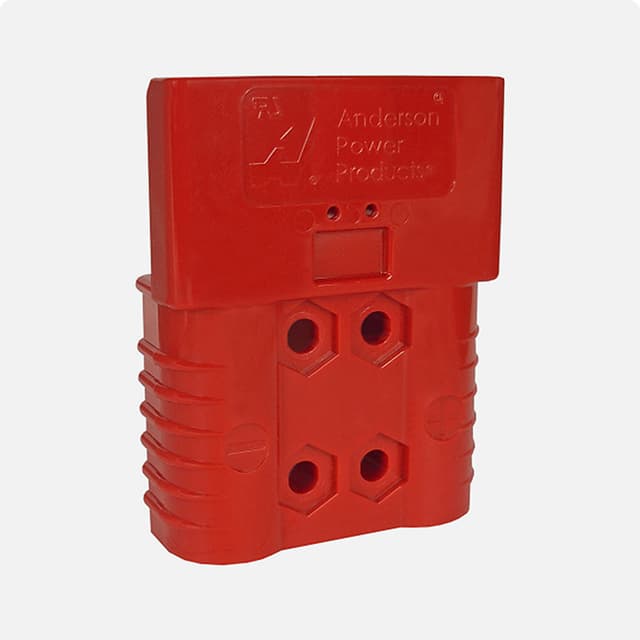
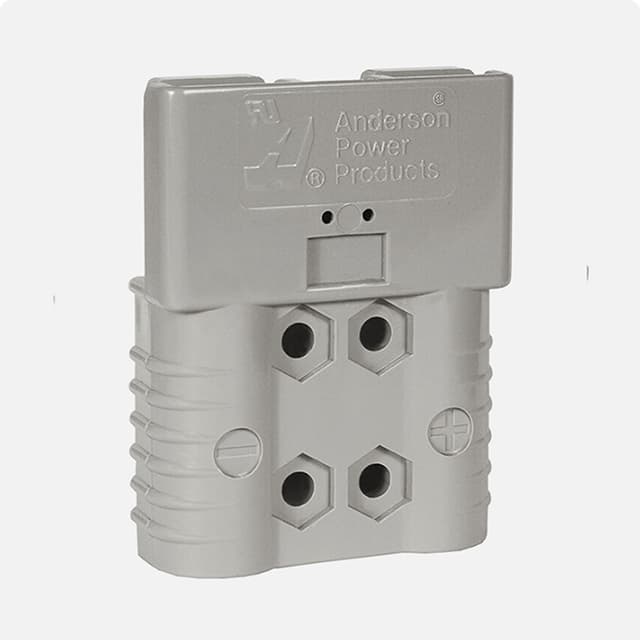
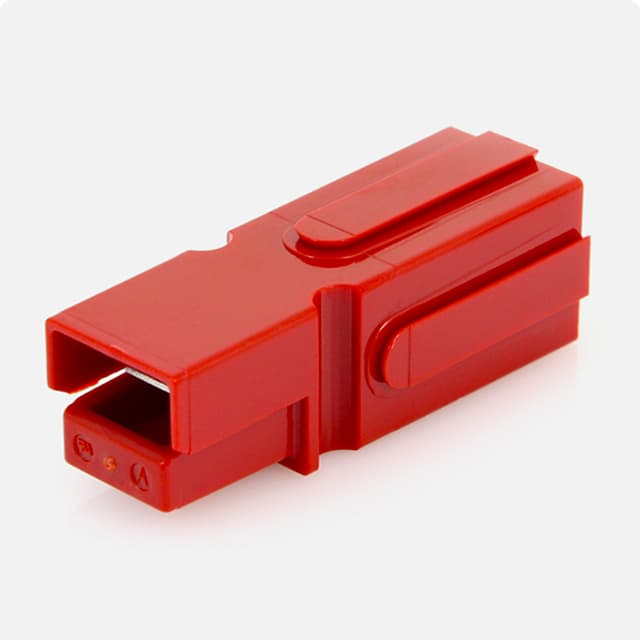
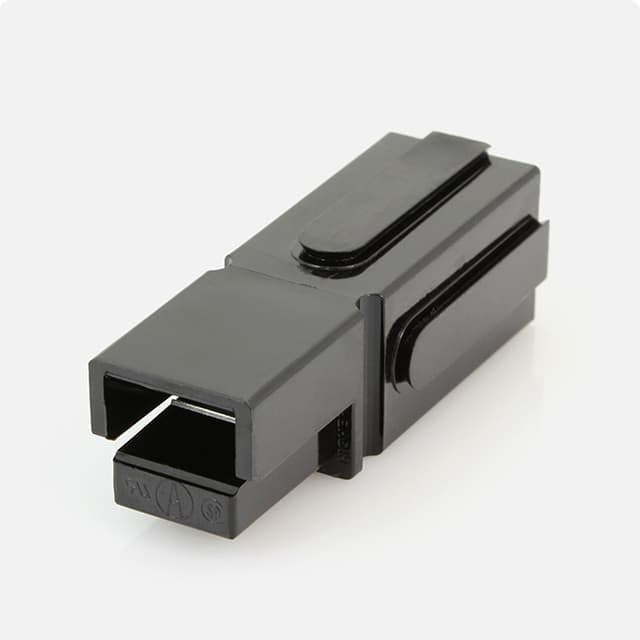
The Anderson connector housing is glass-filled nylon and
UL94V-0 rated. This is a self-extinguishing material and can
tolerate temperatures ranging from -40°C to +105°C. The
connection is available in different colours such as grey ,
red , blue , yellow and orange to identify the circuit.
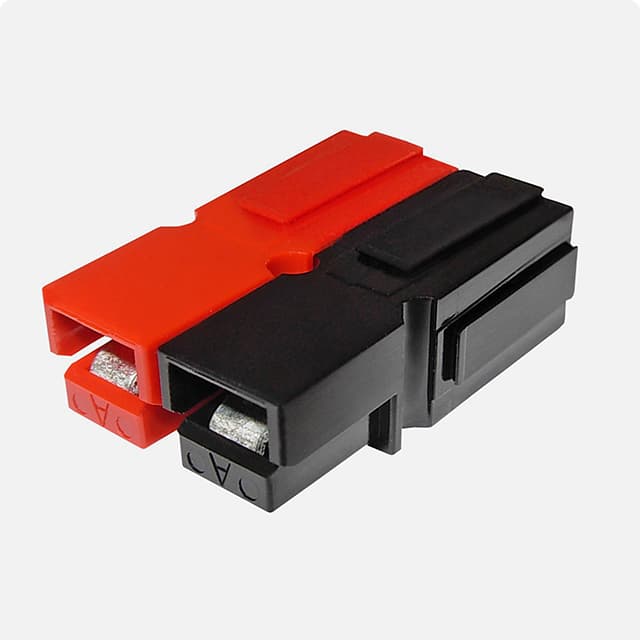
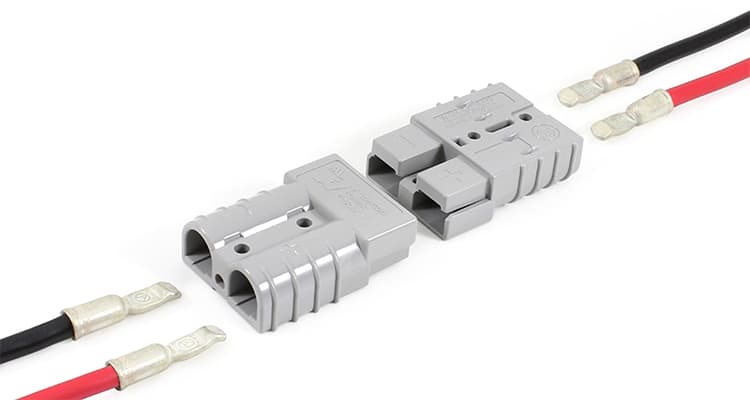
Since it’s not gender-specific, any two compatible
connections can mate. You won't have to worry about the
sexes being mismatched at the Anderson port, since it
accepts terminals from either end. The housings snap
together with a solid, tactile feel and are released via a
push button or thumb tab. With this design, it's now fast
and simple to change the battery. Some models can increase
the IP rating to that of IP67 with the right sealing kit.