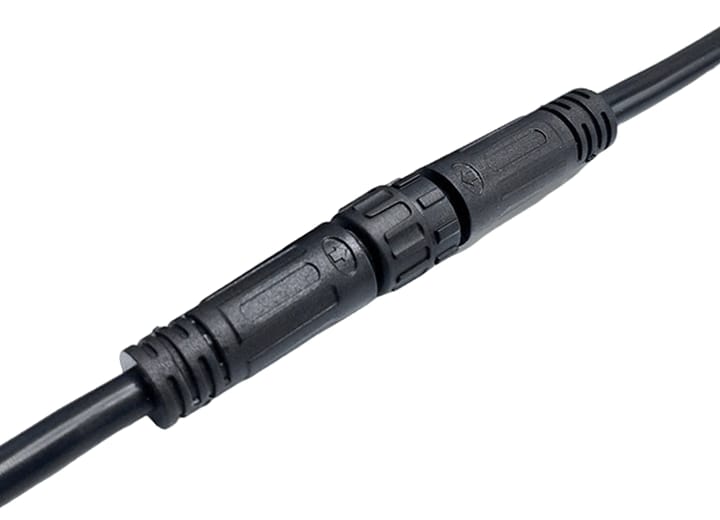
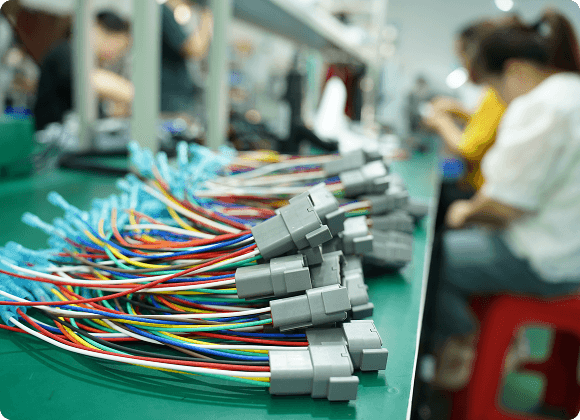
Our waterproof design cables are designed to work in water & tough situations. The cables are carefully designed and manufactured to provide maximum durability for your projects.

If you connect waterproof design cables to a certain plug, it can be used in wet places. The main job of this is to keep dirt, dust, and water from getting into the cable and damaging the conductors. These connections let signals and power pass through safely, even in wet or rough places. They do this by using strong outer cable jackets made of rubber, PVC, or TPU, as well as simple sealing parts like molded backshells and O-rings. These parts seal off all the little holes that water could get into. A lot of wires are used outside or in tough places. Boats, machines, outdoor lights, and factories are some of these. In these areas, cables could get wet, muddy, splashed, or even submerged for short periods of time. For example, maritime cables often use strong jackets and special seal tape to keep them safe when they are underwater. More layers of protection are added to the wires inside. These materials make the cable more resistant to heat, cold, salt, water pressure, and vibration. So, the electrical system is still working well and hasn't been damaged.
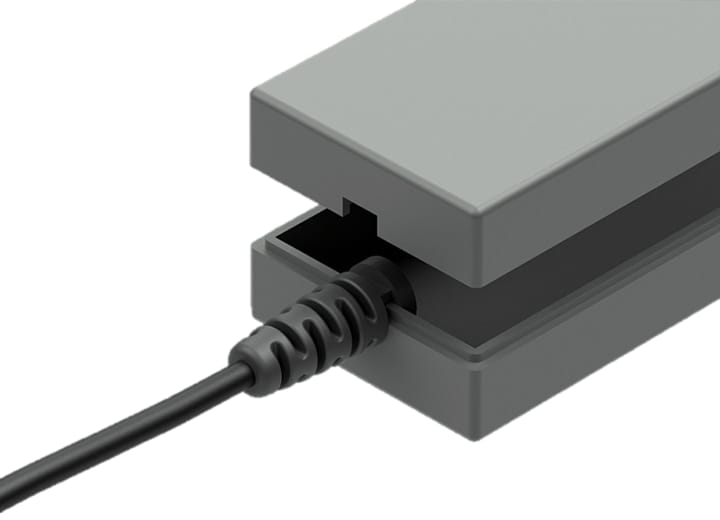
Finding out what the cable will be used for is the first step in making it waterproof. Don't skip this step; it's very important. You should think about the planet. Will the cable be in contact with chemicals, oil, rain, or water when it is used? Every situation needs a different level of security. This makes it much easier to choose the right parts.

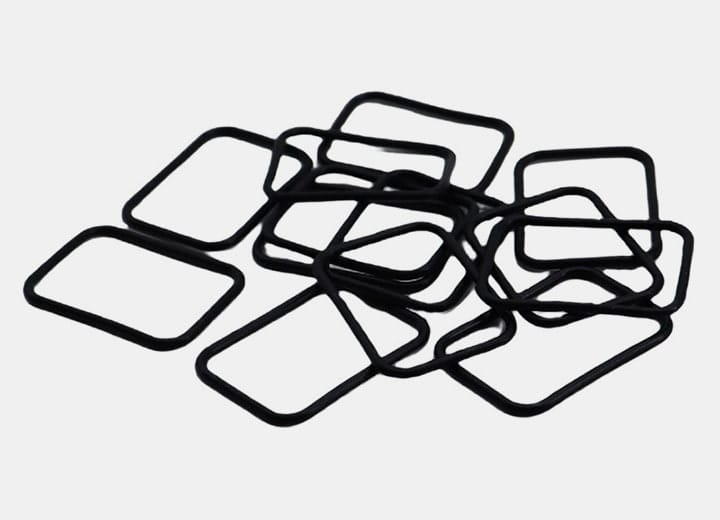
Panel-mounted waterproof design cables are often used in factory cabinets, outdoor cases, and control boxes. The link is attached to a wall panel here. Rubber gaskets or O-rings are often used to keep connectors and panels apart. This gasket keeps water out by sealing up even the smallest cracks. The way the box is built keeps the electronics inside safe from water. If you need a longer cable inside the box, use a sealed internal connector. You can also use epoxy, silicone, or glue to seal screws and bolts, this stops water from getting in through small cracks.

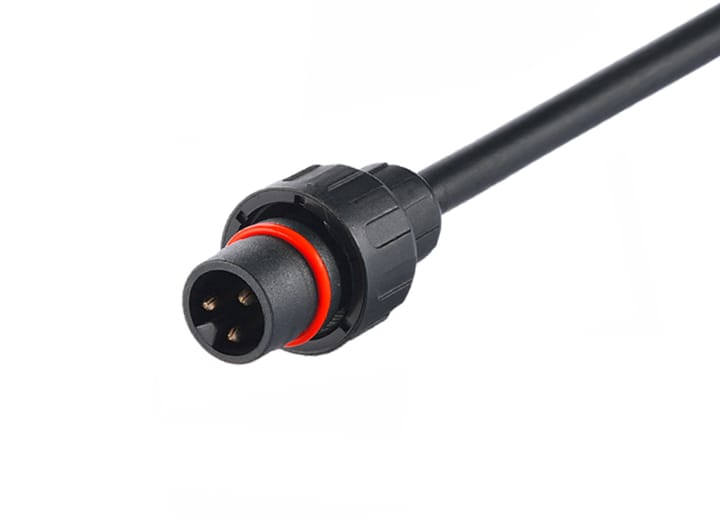
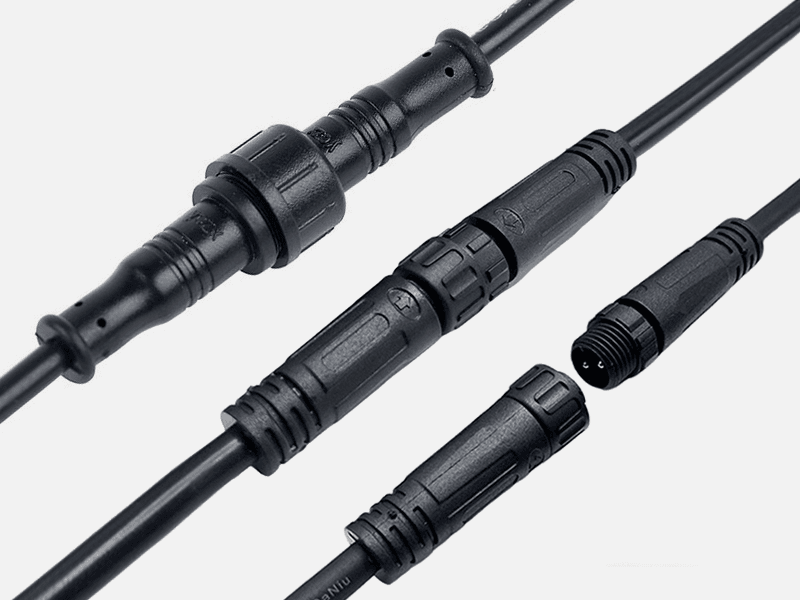
A pair of male and female connectors is often used for waterproof cables. The male plug fits into a female socket. When put together, the two halves fit tightly together. People use the M8 and M12 types of round connectors a lot. They use screw threads to keep the connection safe. After the two connections are fully linked, the O-ring is tightly pressed inside. A tight seal is made, which keeps out dirt, moisture, and other things. In some cases, the back of the connection may also have extra seals. These extra seals will keep the connection dry even when it's pouring rain or there is a lot of water spray.

Outdoor waterproof connections will keep working even when they are exposed to the elements for a long time. They are built in such a way that they will last for years without getting damaged by rust or sunlight. A lot of people choose strong plastic or metal casings to protect the parts inside. These connections can also handle movement, tremors, and vibrations. Most outdoor connections have an IP67 or IP68 grade. Because of this, they can handle light rain, puddles, and being underwater for a short time. Some connections come with covers to keep them safe when not in use.
Waterproof cable kits come with a lot of sealing options to help protect the waterproof design cables that are already in use. These kits are often used when a regular cable needs extra protection but can't be replaced. For example, you could put an IP68 waterproof kit over a power, Ethernet, or USB cable that is already put together to make a strong, watertight seal.

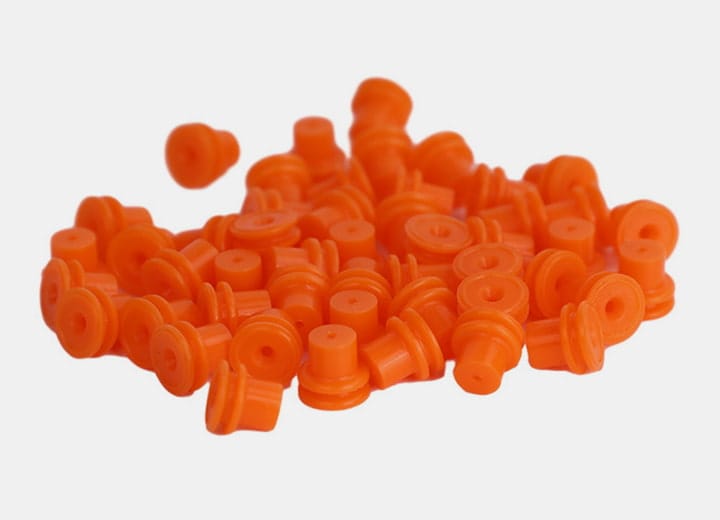
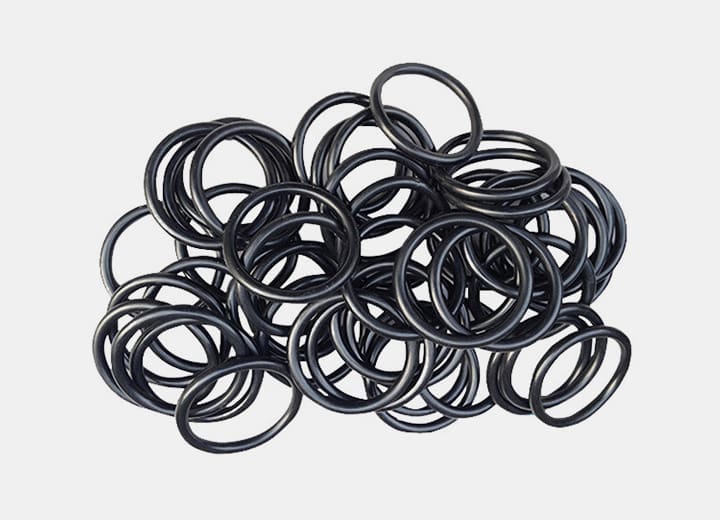
Some waterproof cable harnesses have rubber O-rings that seal the crimp connections. These O-rings are put on the wire before crimping. When the terminal is crimped, the O-ring fits snugly between the insulation and the metal barrel. This makes a seal where the wire goes in. This sealing method is important because water can get through even the thinnest wire strands. Without an O-ring, moisture can seep into the cable. This problem was fixed with terminal O-rings. They work in places where there is a lot of vibration and moisture, like outdoor sensor wire, naval applications, and cars.

Mounting brackets and connection flanges often have waterproof sealing parts on them. A soft rubber or silicone gasket keeps the bracket from touching the panel surface. As you tighten the bracket, the gasket compresses and seals the small spaces around the mounting hole. There will be no more holes or cuts that let water, splashing water, or cleaning spray through. The brackets on outdoor cabinets and control boxes need to be sealed correctly. Even if a small screw hole isn't sealed, water can still damage electronics.

Every watertight connection has one or more O-rings made of rubber or silicone at the mating surface. You might see these O-rings on the plug or socket, where they fit into a groove. The O-ring is squeezed between the two connection pieces when they are screwed together. This pressure makes a solid barrier that keeps dirt, dust, and water from getting to the contacts. For O-rings to work, they need to be the right size and made of the right material. To keep them completely watertight, you need to check them and replace them often because they may wear out or break over time.

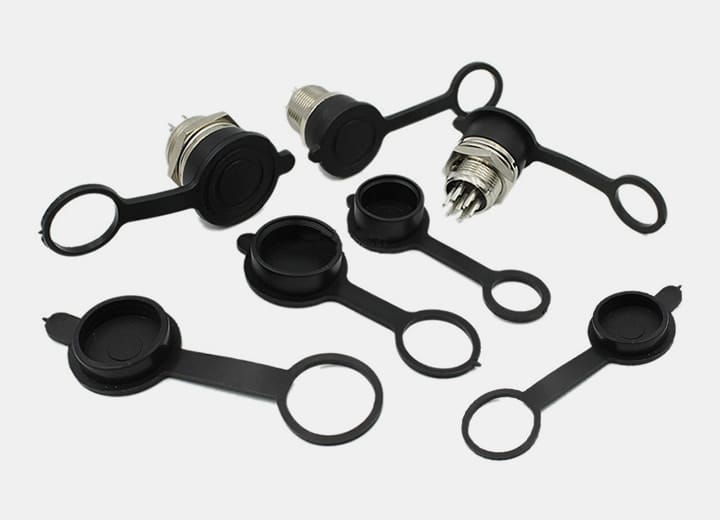
It is common to use threaded waterproof covers to keep waterproof connections safe when they are not being used. These caps screw into the connection's body and have a rubber seal inside. The hole is completely sealed once the seal is in place. Waterproof caps keep open connections safe from rain, dust, bugs, and other debris. People who use outdoor gear, cars, and machines with extra ports often use them. Using covers helps keep connections from corroding and makes them last longer when they are not in use for long periods of time.

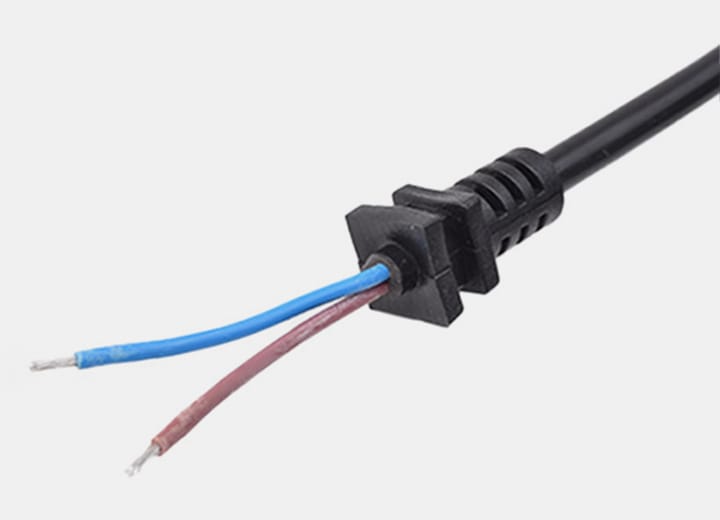
There are waterproof strain-relief boots on the bottom of the connection, where the cable comes out. The rubber or plastic used to make these boots is flexible. They hold the cable firmly but let it move just enough to let it go. As the cable moves, the strain relief keeps water from getting into the connection body. It also makes it easier on the internal wires by bending and pulling them less. Many strain-relief boots keep their seal even when they are completely underwater because they have an IP67 or IP68 rating.

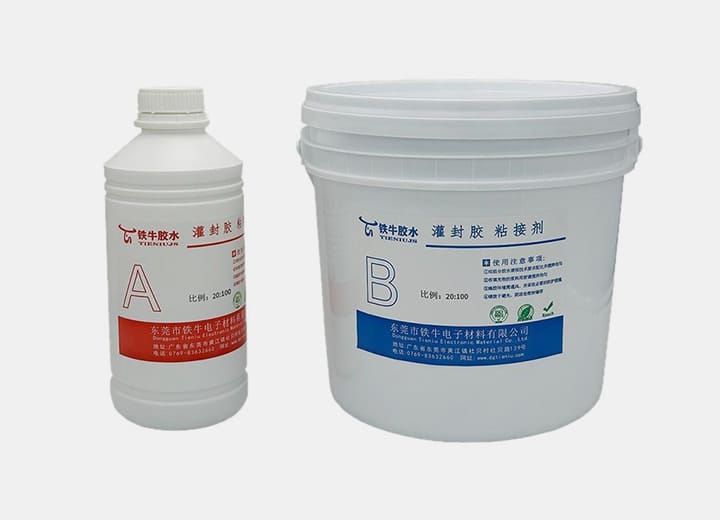
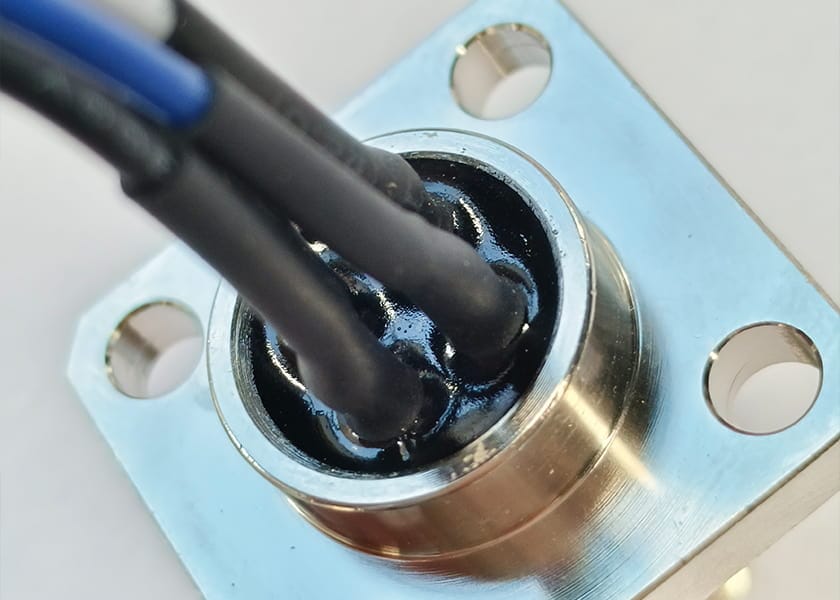
Special waterproof sealants like epoxy or silicone are used to permanently cover water pathways. These materials are often attached to the panel or enclosure where a cable goes in. When the glue dries, it will seal up any small gaps and make a strong barrier. Seal glue is often used in circuit boards, industrial control boxes, and custom connections. It can withstand vibration, water, oil, and chemicals once it has cured. This is the best way to get a seal that won't need to be replaced for a long time.
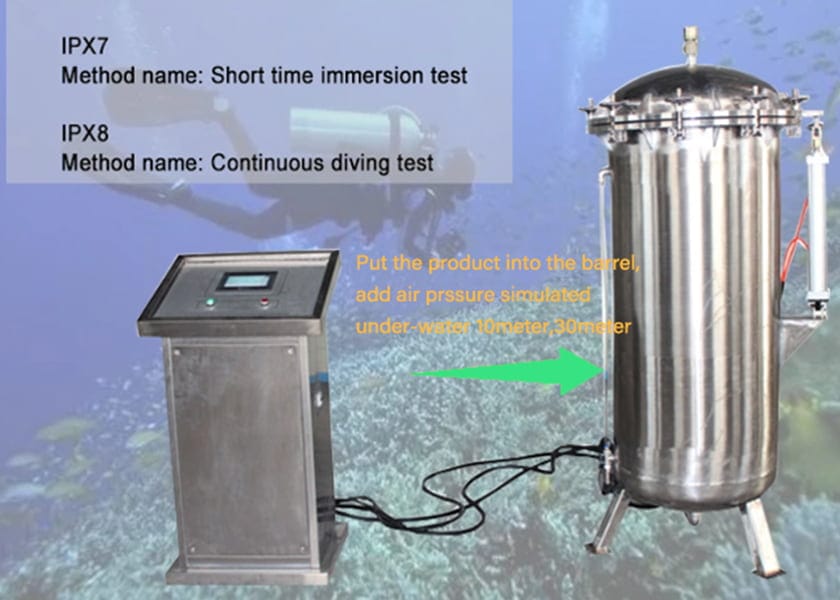
Before delivery, waterproof cable assemblies must pass strict testing. These tests confirm that seals work correctly under real conditions. One common test is full water immersion. Other tests use air pressure or vacuum to detect leaks. Only assemblies that remain completely dry are approved for use.

Marine-grade waterproof design cables are tested for extended periods underwater. A common test lasts 72 hours at a specific depth. This simulates real marine conditions, such as underwater sensors or boat wiring. For example, an IP68 rating may require the cable to withstand 3 meters of water for 72 hours without leaking. Passing this test proves that the seals can withstand water pressure and long-term exposure.

Panel-mounted connectors are tested using high-pressure water spray. Water is sprayed from different angles to ensure the O-ring and panel gasket seal correctly. The panel may be tilted or sprayed from below to test weak points. A successful test shows no moisture inside the enclosure. This confirms the connector is safe for outdoor or wash-down environments.

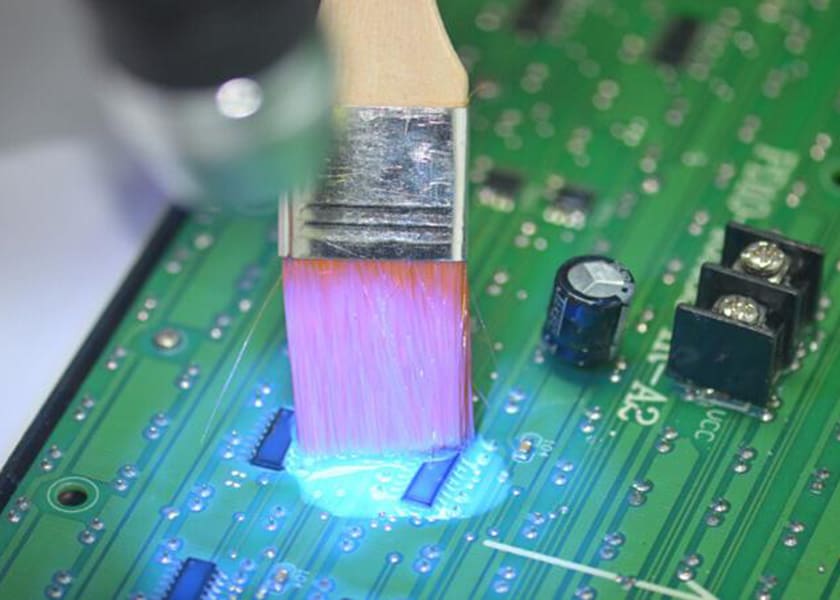
Electronic boards used in waterproof systems are often coated or fully potted. Potting means covering the board in epoxy or resin until it is completely sealed. This creates a permanent moisture barrier and protects the electronics from water, oil, and chemicals. Potted boards can be submerged, washed, or used in harsh industrial areas without damage. This testing ensures long-term reliability and safety.

In the marine and offshore industries, waterproof cables are used to power and send data to boats, ships, buoys, and underwater equipment. Because of their strong jackets and sealed connections, these wires can handle pressure and saltwater. Offshore platforms and coastal machinery need connections with an IP rating to keep working in wet conditions.

With sealed connectors, water-blocking structures and corrosion-resistant materials, it prevents moisture, dust and liquid penetration disrupting power supply and signal transmission. This design guarantees stable performance and long-term reliability for mobile robots, outdoor sensors and field monitoring devices, even under wet, vibrating or corrosive conditions.

Water pumps, weather stations, wind turbines, and solar panels all use waterproof design cables that are outside. You can buy cables that are made to stay in water for a long time. These ensure long-term durability and prevent water ingress even in harsh environments. IP-rated connections are easy to clean and safe to use outside.

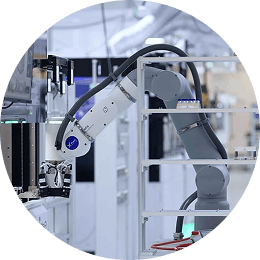
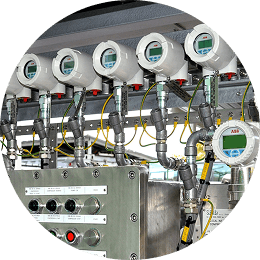
In industrial automation, waterproof cables are often used near machines and equipment. These wires send electricity, messages, and data. They are protected from things like dust, oil, vibration, and strong cleaning solutions. In busy industrial areas, wires with molded connections tend to last longer.

Waterproof cables connect the lights, sensors, and safety systems in cars, trains, and planes. These wires can handle moisture, vibration, road splash, and changes in temperature. They ensure critical systems remain operational under harsh conditions. This makes vehicles safer and more reliable.

Utilities and instrumentation use waterproof or moisture-resistant cables in smart city systems and industrial controls. These wires make sure that meters, sensors, and control units keep working even when there is flooding, fog, or rain.
Waterproof design cables often have tin-coated copper conductors or a protective coating on them. The polymer jackets on the cable, which could be PVC or TPE, make it resistant to chemicals and salt spray. Nautical cables are resistant to oil and seawater because they have a white TPE jacket and strands that are 100% tinned. These materials will keep rust from forming, even in very salty air.
Cables that are meant to be submerged must also be able to handle hydrostatic pressure. When you test an IP68-rated assembly at depth, it acts like water pressure. Thicker and stronger coatings and seals can handle compressive stresses. No water can get through connections and housings made for deep-sea use, even when the pressure is several atmospheres.
UV-stable jackets protect outdoor cables from damage caused by sunlight. Many PUR or PVC coats have UV inhibitors built in. The TPE boat-cable jacket is a good example because it can handle both heat and sunlight. Doing this keeps the wire's surface safe and keeps it flexible, even in direct sunlight.

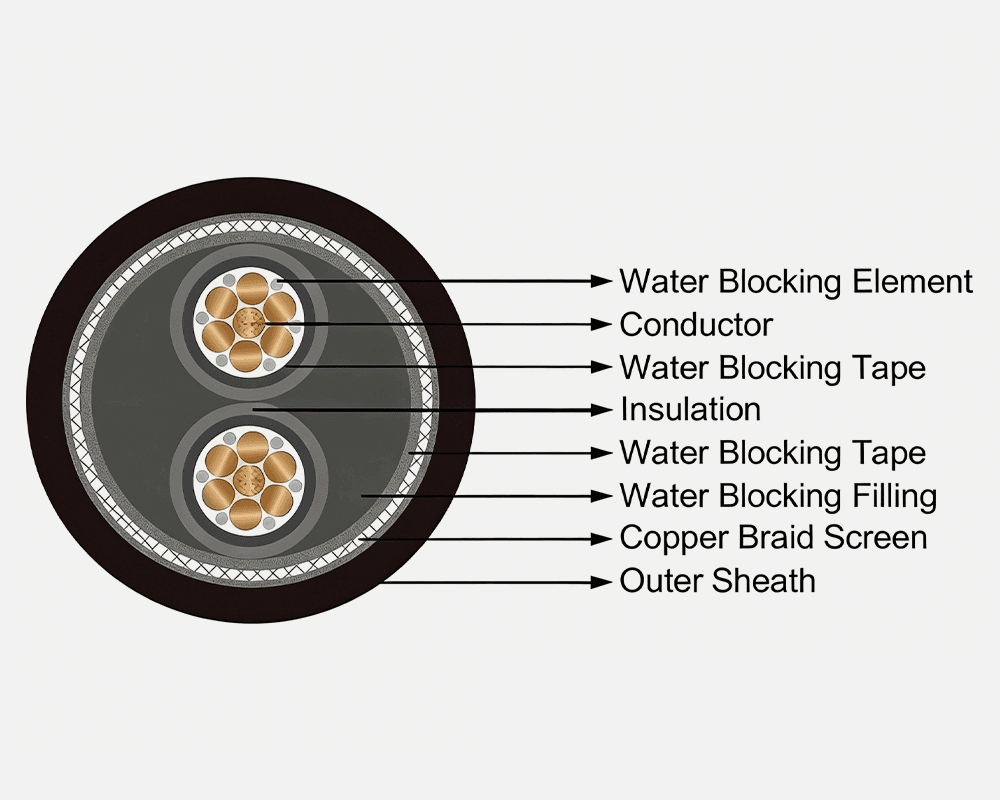
For the conductor, each wire is tightly wrapped in XLPE, EPR, or FEP. This is the first step in keeping things dry. The insulation will keep the cable from touching the water if it gets wet. Some cables have a tape or inner jacket on this layer for extra protection.
Many cables have an extra layer of tape or gel on top of them to keep water from getting through. When water gets on these layers, they either swell or gel to keep it from getting through. Tape or gel can be used to stop capillary wicking and fill in any gaps. This keeps water from getting into the core even if the outer jacket gets a hole in it.

The next line of defense is a strong outer jacket. TPU and other materials are great for "excellent water resistance." Because it is thick and has a hydrophobic property, this outside covering (made of PVC, PUR, etc.) keeps water out. It is also resistant to chemicals and wear. This layer keeps the inside parts dry.
The ends of the waterproof design cables have a lot of seals that finish off the system. The cable and connection are joined as one unit by overmolding or potting. Filling in any gaps with epoxy or silicone makes a permanent block. Rubber gaskets or O-rings are also used to seal the places where two parts come together.

It's easy for companies that make waterproof design cables to go from making prototypes to making a lot of them. In fact, it only takes a few days for fast prototyping to make 5 to 50 sample assemblies. We use soft tooling and 3D-printed molds to make prototypes quickly. After testing, we make steel tools that will last for a long time for production runs. After that, machines do the crimping and sealing of each cable exactly. We use ISO-certified methods to make sure that every device meets its IP classification. This lets us go from making a few prototypes to making everything in a flash without losing quality.
I needed a waterproof harness for our boat lights. QL-Custom delivered quickly. The cable feels very high quality and works underwater without issues.
The IP68 Ethernet cable I ordered has been rock solid. We use it on our outdoor security cameras. No worries even after heavy rain.
These waterproof design cables really survive harsh factory conditions. We wash them down regularly and they still perform as new.
Our underwater sensor cables arrived on time and work flawlessly. The polyurethane jackets are very durable.
Excellent custom service. They helped choose the right materials for a marine application. The cables passed 72-hour soak test.
The waterproof M12 cable assemblies we got are the best we’ve used. Easy to install and truly waterproof as advertised.

The ISO9001:2015 certification has been given to QL-Custom Technology Ltd., one of the best Chinese companies that makes custom waterproof design cables. More than 300 customers in the US, EU, and other places have used our services. Our engineers make custom wire harnesses and overmolded parts for our clients with great care and attention to detail. We give quick and accurate quotes, and we follow strict quality controls by testing each cable with water and stress. We can handle orders of all sizes, from small to huge, because we have our own tools and a lot of experience. That's why you can count on QL-Custom to make the best waterproof cable assemblies that meet your exact needs.