Long-lasting auto wire and cable are best for the electrical systems in today's cars.
Auto cables that work really well and follow all the rules that apply.
We have custom solutions for auto electrical cable and bulk auto wire for every car.

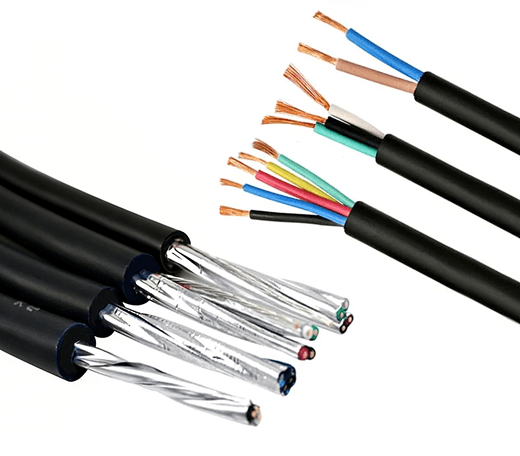
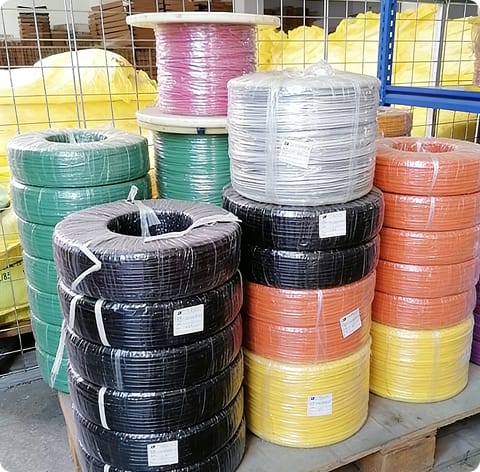
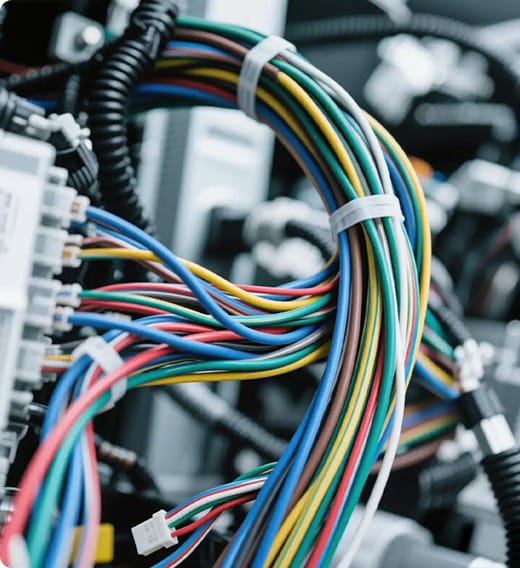
The auto wire is a very important part of every car because it sends power and electrical signals. Auto wire and cable usually have flexible copper wires inside strong insulation. Many wires are made of cross-linked polymers like XLPE or cross-linked PVC because they don't break down when they come into contact with heat, oil, or chemicals. Automotive wiring that meets standards like SAE J1128 or ISO 6722 makes sure that safety is built into the car. They come in a wide range of colors and sizes and are flame-resistant to keep riders safe. We have a lot of different kinds of bulk automotive electrical wire, from very thin 22AWG to very thick 8AWG and even thicker wire for circuits that need a lot of current.
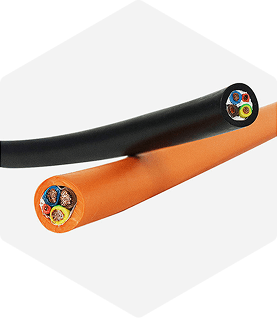
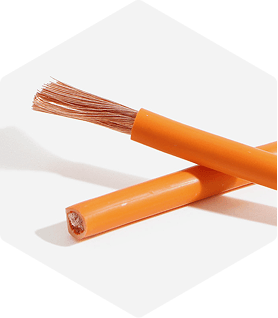
Electric and hybrid cars use a high-voltage connection to send electricity from their batteries to the car. These cables have a lot more insulation, so they can handle hundreds of volts without breaking. High-voltage cables are made up of stranded copper wires that are surrounded by flame-resistant XLPE or silicone. For example, our electric vehicle (EV) battery cables can handle temperatures from -40°C to +125°C and have a voltage rating of up to 1000 VAC/1500 VDC. They are often a bright orange color to be safe. When wiring electric cars, these cables must meet the standards set by ISO 19642 (E4). The thick jacketing in auto wire and cable also keeps the oil and battery acid away.

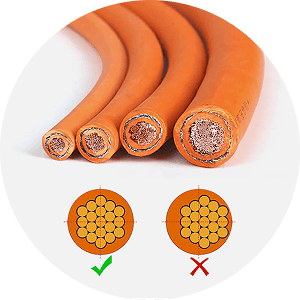
XLPE, or chemically cross-linked polyethylene, is what this wire is insulated with. The XLPE coating makes the wire very strong and able to handle heat. The polymer chains in the insulation are cross-linked so that they won't melt in hot engines. XLPE is the best material for wiring in the chassis and undercarriage. They are not affected by either water or strong chemicals.

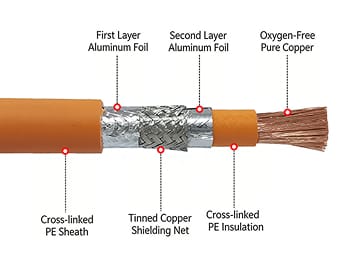
A lot of the cables that electric cars use have both an inner and an outer cover. Foil or polyester-foil tape is the best thing to use to block out high-frequency noise. Also, a braided copper shield protects against low frequencies and gives you more freedom of movement. The double shielding keeps the engine and battery from damaging these fragile electronics.

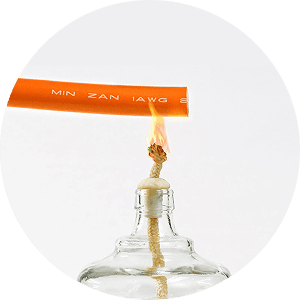
Ozone, sunlight, and fire resistance are all requirements for many automotive wires. We use halogen-free flame-retardant compounds and other materials to meet fire safety standards like UL VW-1 and FMVSS 302. We also put UV stabilizers in the jacket to keep cables in engine bays and undercarriages from cracking in the sun. These coats won't get ruined by gasoline spills or road salt.

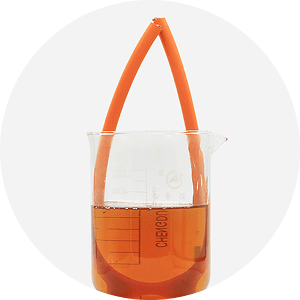
The engine and chassis have a lot of oil in them. You can choose from auto wire and cables made of PVC, XLPE, or thermosets that are made to last in oil and gasoline. Some wires are labeled "Oil-Resistant 150°C," so they can handle being near engine heat for a long time. Our insulation has been tested and shown not to swell or break down when it comes into contact with oils or coolants.

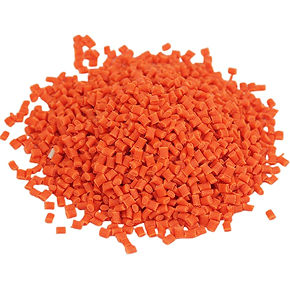
Cross-linked polyethylene and cross-linked polyvinyl chloride are two important materials for insulation. When the material is cured, it forms strong links that keep it from melting, even when heated. SXL wire is made of cross-linked PVC, which makes it resistant to water, gasoline, and oils. It is great for engine compartments because it stays flexible even at -40°C. Cross-linked polyethylene (XLPE) is used to make a lot of auto wire and cables today. XLPE is a tough cookie, even at temperatures as high as +125°C. When exposed to air, neither substance changes shape or thickness. XLPE has better thermal and dielectric properties, but PVC is more resistant to chemicals. So, which one you choose depends on what you need it for.

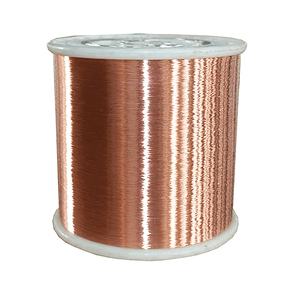
The conductor used in the majority of automotive wires is bare copper. Stranded copper is our material of choice because it conducts electricity well and is easy to bend. It loses less heat during the process because copper is a great electrical conductor. It may be easy to bend so that you can get around the vehicle. Sometimes, copper is coated with tin to make it more resistant to corrosion. We can use copper-clad aluminum or steel for very light cables, like audio wire or speedometer wire. But power and high-current lines usually use solid or stranded copper. The fact that our wires are made of bare copper conductors is what makes them so good at conducting electricity. The stranded bare copper conductor used in SXL primary wire is an example of a very reliable material.

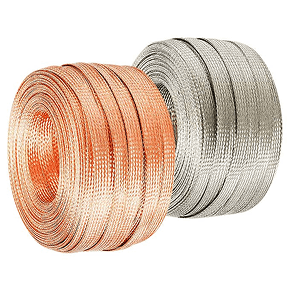
A braid that protects the insulation surrounds many car wires. A mesh of finely woven tinned copper wires is the most common material for this braid. The braid also makes the connection to ground strong and low-impedance, which is a nice bonus. It protects the auto wire and cable from low-frequency electromagnetic fields, like those made by motors and alternators. By covering 90% of the cable's surface, tightly wound braids can cut noise by up to 90%. Braided shields protect the wire from bending and rubbing against things because they don't bend easily. In our premium designs, we use this copper braid with an inner foil layer to provide full EMI shielding.

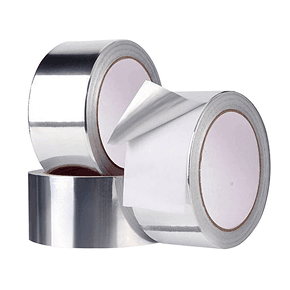
Aluminum foil is often glued to polyester film as an extra common way to protect things. Foil completely covers things, unlike braids, which only cover some things. Foil shields work especially well at blocking radio waves with frequencies over about 100 kHz because of this. But we always use a plastic film to make it stronger because pure foil is fragile and tears easily. In cables, it's common to tightly wrap the foil around the conductors that are under the braid. This foil/polyester tape will keep all sound from getting out. When used with a braid, a foil shield gives full coverage and is strong enough to last.
Cables made for electric vehicles (EVs) are becoming more and more popular. Some of these are charging cords, motor leads, and high-voltage battery cables. These have strong insulation (usually XLPE or silicone) and are built to be airtight. Our EV cables come with multiple cores, each with its own insulation and shielding as needed.

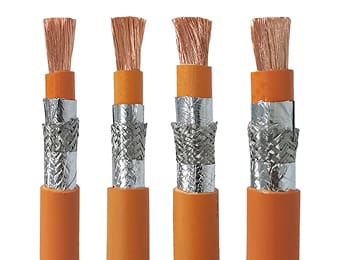
Some EV auto wire and cables have two types of shielding: an inner foil shield and an outside copper braid. This multilayer method gives the best EMI shielding. The foil layer, which is completely covered, reflects noise at higher frequencies. The braided copper layer, on the other hand, absorbs interference at lower frequencies. The foil makes the dual shield stronger, and the braid keeps the foil from getting damaged, which makes it last longer. These dual-shield cables are great for power wiring in places where there is a lot of background noise. Foil and braid work together to make sure that electric vehicle wiring meets EMC standards and has very low electromagnetic emissions.

Cables connect the hardware of an electric car charger to the car's intake. Cables need to be safe, waterproof, and flexible. They usually have 240 VAC at 30-40 A and a maximum power of 19 kW to make Level 2 charging easier. These cables have thick, long-lasting insulation (rubber or PVC) and strain relief at the connections. All of the cable assemblies are put through a lot of tests to make sure they are waterproof and can bend without breaking. There are also custom cables for public charging stations, in addition to charging cables that have been tested by TUV and UL.

We have car cables in a range of sizes. The top 4/0 AWG (0.21″ or ~107 mm²) auto wire and cables can handle the heaviest loads, like direct battery connections. These strong cables are what power the starters, winches, and main power buses on trucks and heavy equipment. On the other end of the scale, 18 AWG (about 0.75 mm²) wires carry low-current circuits or very small signals. The size of a wire is based on how much current it needs to carry. For example, designers use thicker, low-gauge wires for big amps and thinner wires for small amps. We have wires in stock and can make any size between 4/0 and 18 AWG, as well as all the standard sizes.

Our auto wire and cables are used in many parts of cars, such as engine harnesses, lights, infotainment systems, and sensors. Our wires meet the Original Equipment Manufacturer (OEM) standards for use in cars, trucks, buses, and specialty vehicles.

Our high-voltage cables give power to the batteries, motors, and charging systems of hybrids and electric vehicles. We have low-voltage wire for 12V systems and EV-ready cables (with an orange jacket) for battery packs in stock.

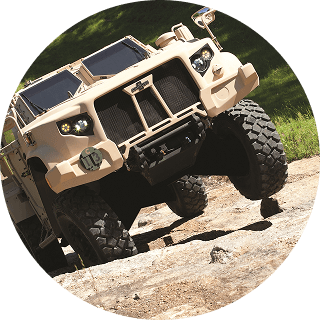
Heavy-duty cables are used in a lot of different types of vehicles, including construction, farming, and delivery vehicles. Our strong engine wires and thick battery cables are not affected by dirt or vibration.

The wiring in motorhomes, boats, and off-road vehicles is like the wiring in cars. We have maritime harness wires that can handle UV light and seawater, as well as ATV and tractor cables that can handle heat and dirt.

Our bulk auto wire is used in control panels and cable trays in factories that use robots and make cars. The types of connectors and wires we offer are perfect for use in workshops.
The International Automobile Task Force (IATF) 16949 quality management standard, which is used in the car industry, certifies us. This guarantees that the same methods will be used every time and that the products will be of high quality.
We check each batch of materials, including copper, PVC, and others, to make sure they are pure and meet our standards. We only approve things that have been certified as being of high quality for cars.
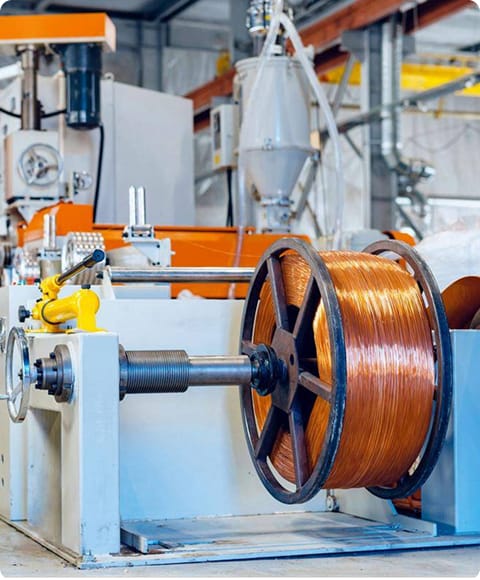
Our cutting-edge extrusion and cross-linking machines let us make things with perfect accuracy. Our procedures have strict size limits for the conductor and insulation.
As part of our in-line testing process, we keep an eye on the resistance of the conductors, the thickness of the insulation, and the number of strands all the time during manufacturing. Fix any problems that are thought to be out of tolerance right away.
Wires that are done are put through a series of environmental tests, such as those that test for high humidity, salt spray, and very high or low temperatures. We also test them with flame, fuel immersion, and abrasion tests to make sure they will last.
We check the electrical continuity and dielectric strength of each batch of cables. Every color stripe and mark is checked by eye to make sure they all match. We only send things that have been carefully checked.
We keep track of all auto wire and cable production runs and give them lot numbers so that we can find them later. ISO/TS standards say that all materials, process parameters, and test data can be traced.
We regularly check our processes and get feedback from the field to make sure they keep getting better. Our ISO 9001 and IATF 16949 systems help us make sure that our processes are always getting better so that we can guarantee quality and dependability.

Automotive wires frequently come into contact with moisture, dust, and weather. We solve this problem by making cables with IP67 and IP68 ingress protection ratings. For example, a cable with an IP67 rating must be able to handle a short immersion of 1 meter and be dustproof. To do this, we use molded connections with O-rings and make sure the wire jacket is securely attached to the housing. Thermoplastic elastomers (TPE) that are insulated or polyvinyl chloride (PVC) that is resistant to ultraviolet light keep a jacket's shape between -40 and +85 degrees Celsius. Cables that are used off-road or at sea can go beyond IP69K, which means they can handle washdowns with high pressure and high temperatures. Even in wet places, our sealed auto wire and cables keep water out. They don't break down when exposed to road salts or lubricants.
We make sure that our production is engineered by using precision extrusion lines that are carefully controlled. Cross-linking and curing ovens use computer monitoring to get the exact insulating properties they need.
Testing of auto wire and cable designs happens in both virtual and real-world settings. We test the prototypes to make sure they meet standards like ISO 6722 Class D and F, which cover temperatures from -40°C to +150°C or +200°C, depending on the class.
As part of the raw material control process, we check that the insulation and conductors are certified. We will not accept any copper or polymer batch that does not meet our standards.
Machines check the thickness of the insulation and the resistance of the conductors thousands of times during the production process to make sure everything is the same.


Our staff follow all of the written rules. Because this system is based on ISO/TS, every wire is the same, and mistakes are less likely to happen.
Each order comes with its own set of paperwork, which includes quality data and process parameters. The IATF 16949 quality standards cover the whole supply chain, so customers can be sure that they will be followed and that they can be traced.
After the final quality check, the wires are labeled, coiled, and packed. We can cut cables to the lengths, reels, or boxes you need to make them easier to handle on the job site.
The auto wires from QL-Custom were exactly what our shop needed. The quality is top-notch and the flexibility is excellent. We’ve had zero failures in our fleet after using their auto wire and cables.
I run an EV conversion business and needed high-voltage cables. QL-Custom delivered shielded EV cables that perform flawlessly. Their battery cable automotive is very well made.
The weatherproof connectors and cables we bought held up in rain and mud during off-road tests.
As an automotive OEM, we require IATF-certified suppliers. QL-Custom has ISO/TS 16949 and their inspections are strict. The wire harnesses from them have very low defect rates.
The team helped us choose the right auto electrical wire types for our new model. Their mix of technical advice and fast manufacturing is a big plus.
I needed custom cable jackets for my classic car restoration. QL-Custom provided UV-resistant, colored wires exactly as specified. Very professional and patient with all our questions.

People all over the world depend on QL-Custom Technology Ltd., a company that makes automotive wires and cables. You can find auto wire and cables, wire harness kits, battery cables, and rolls of wire here. Our factory meets the quality standards set by ISO/TS 16949. Because of this, we can make wires with strong materials, exact insulation coating, and thorough testing. We also offer custom services like assembling connections, adding color stripes, and making specialty jackets. We have everything from regular car wiring to special cables for electric vehicle batteries. Our products meet a lot of standards, including SAE J1128, UL, and RoHS. Repair shops and OEM manufacturers may trust QL-Wiring Custom's solutions because they have great customer service, make things quickly, and deliver on time.