Fil et câble en ruban

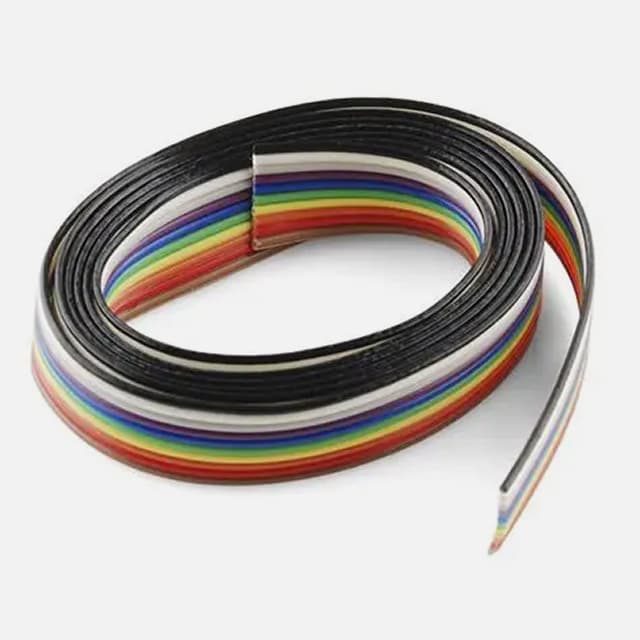
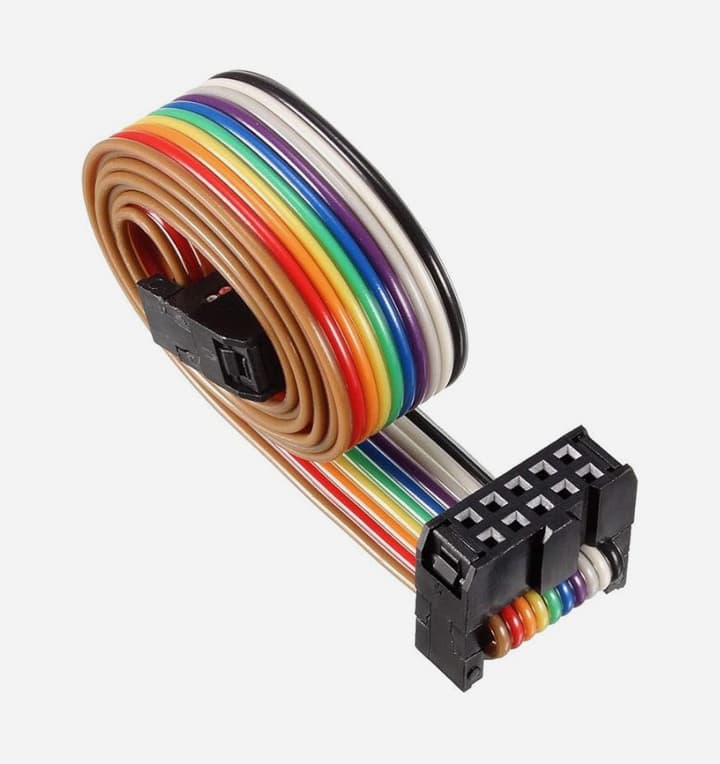
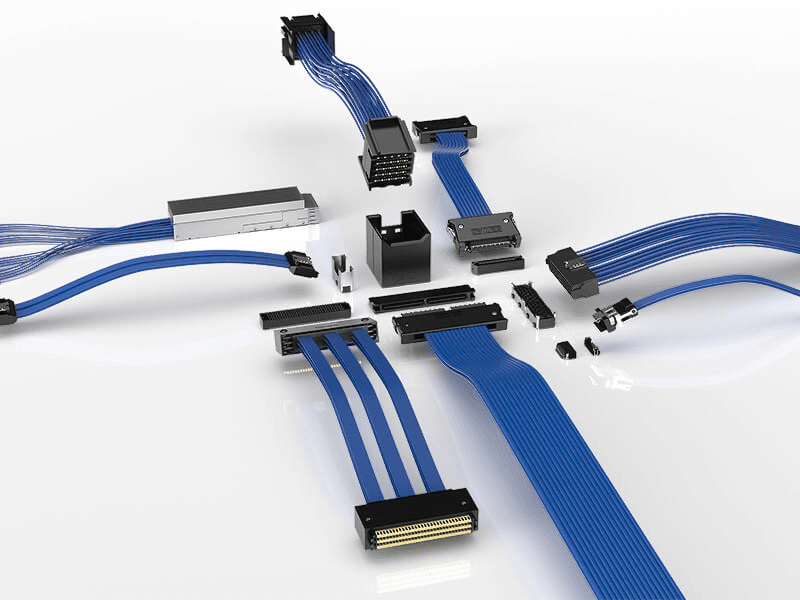
Ribbon wire and cable are flat cables made of wires arranged in a straight line. Each wire is covered with a thin layer of insulation, and premium core materials help energy and signals flow accurately.

Fil et câble en ruban

Fil et câble en ruban

There are a number of wires in a ribbon wire and cable that are all in a single, flat line. Each wire is made of copper, which is a good conductor of electricity, and an insulating material. PVC and other safe materials are often used to make insulation. These cables save space and make it easier to deal with wires. Depending on the need, they could have very few wires or a lot of wires. It's easy to make the right connections because there is the same amount of space between the wires. With the right tools, it's easy to cut and connect these wires. This is why you might find them in a lot of different devices, gadgets, and pieces of equipment. The wires in ribbon cables are arranged in a neat, flat way, which makes them more stable than spherical ones. Sometimes, they also help fix problems with signals. These cables are cheap and easy to make in large quantities. There is strong copper inside that sends signals well.
Colored zip wire

Colored zip wire

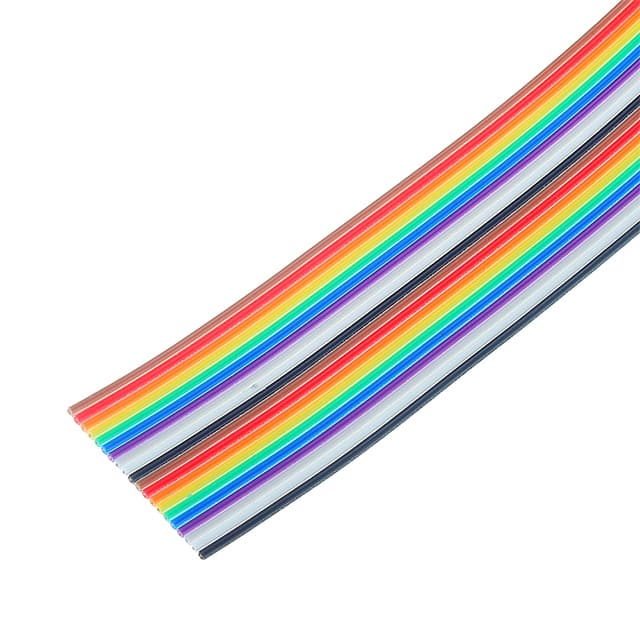
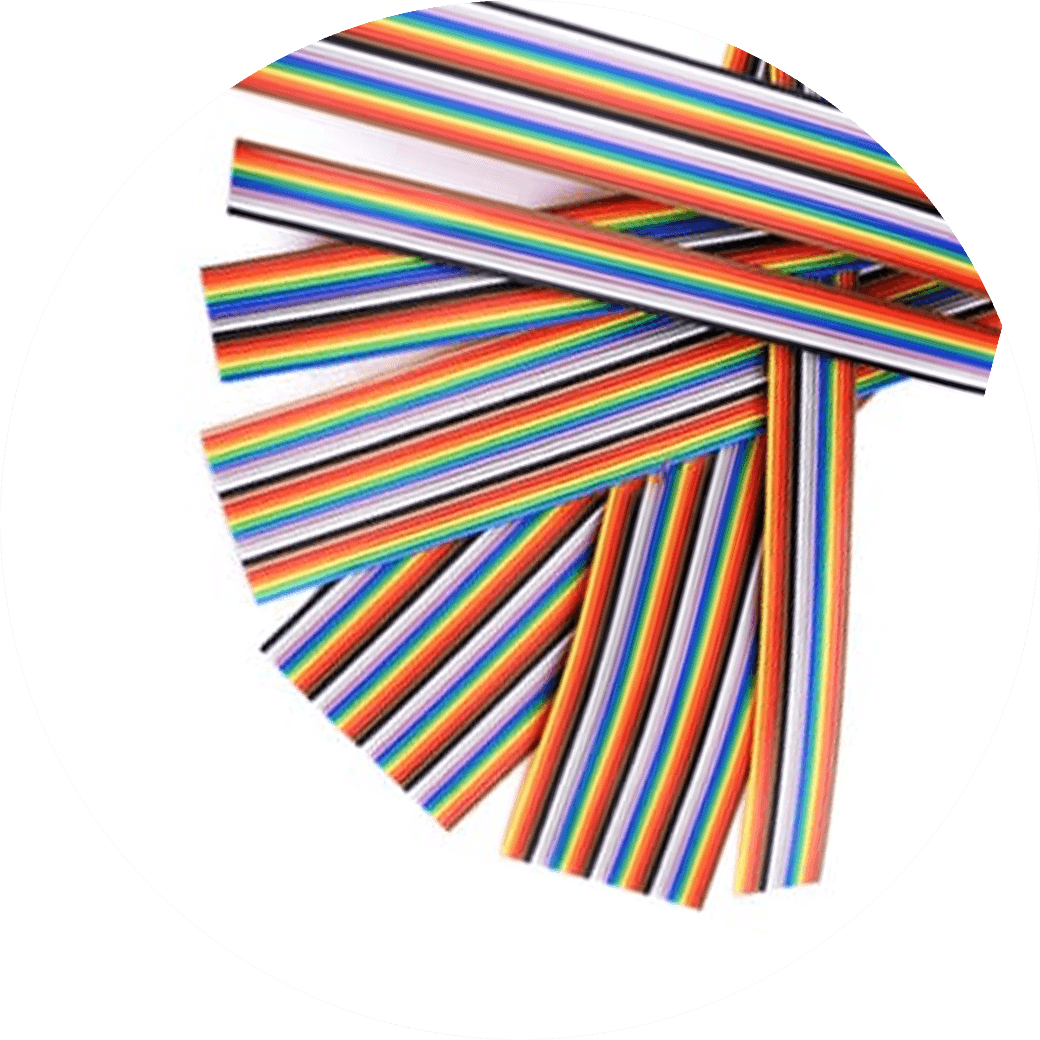
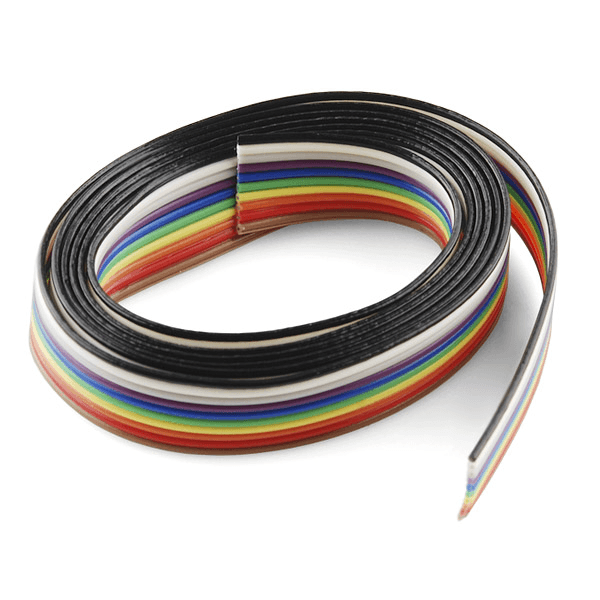
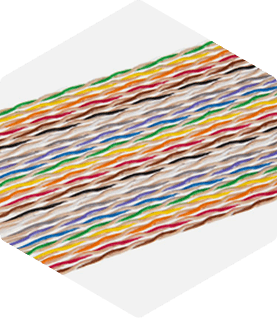
Colored zip wires are a type of ribbon wire and cable that has a lot of different colored conductors. It's easy to see and follow the wires because they are all different colors. This is very helpful for both installing and fixing things. The wire looks like it has a lot of colors. It still has the same flat shape and flexible construction as regular ribbon cables. These cables are used in systems where precise wiring is very important. The color scheme makes it easy for users to keep track of cables. As a result, work is both easier and faster. Colored zip wires follow the same safety rules as regular ribbon wires. The colors make it easier to use, but the way it works is the same. Wires like these are used in computers, machines, and testing equipment. They help make things more accurate and stop wiring mistakes. A number of manufacturers now offer customizable color options for people who have special needs.
Flat ribbon wire and cable families

TS flat ribbon wire

TS flat ribbon wire

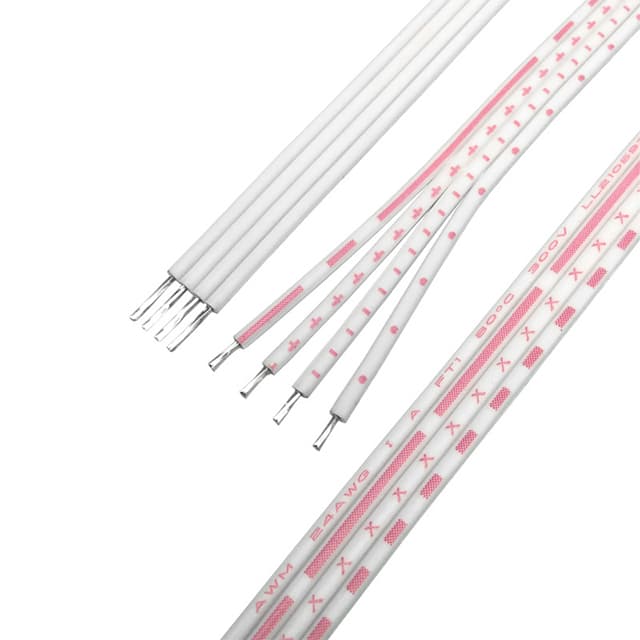
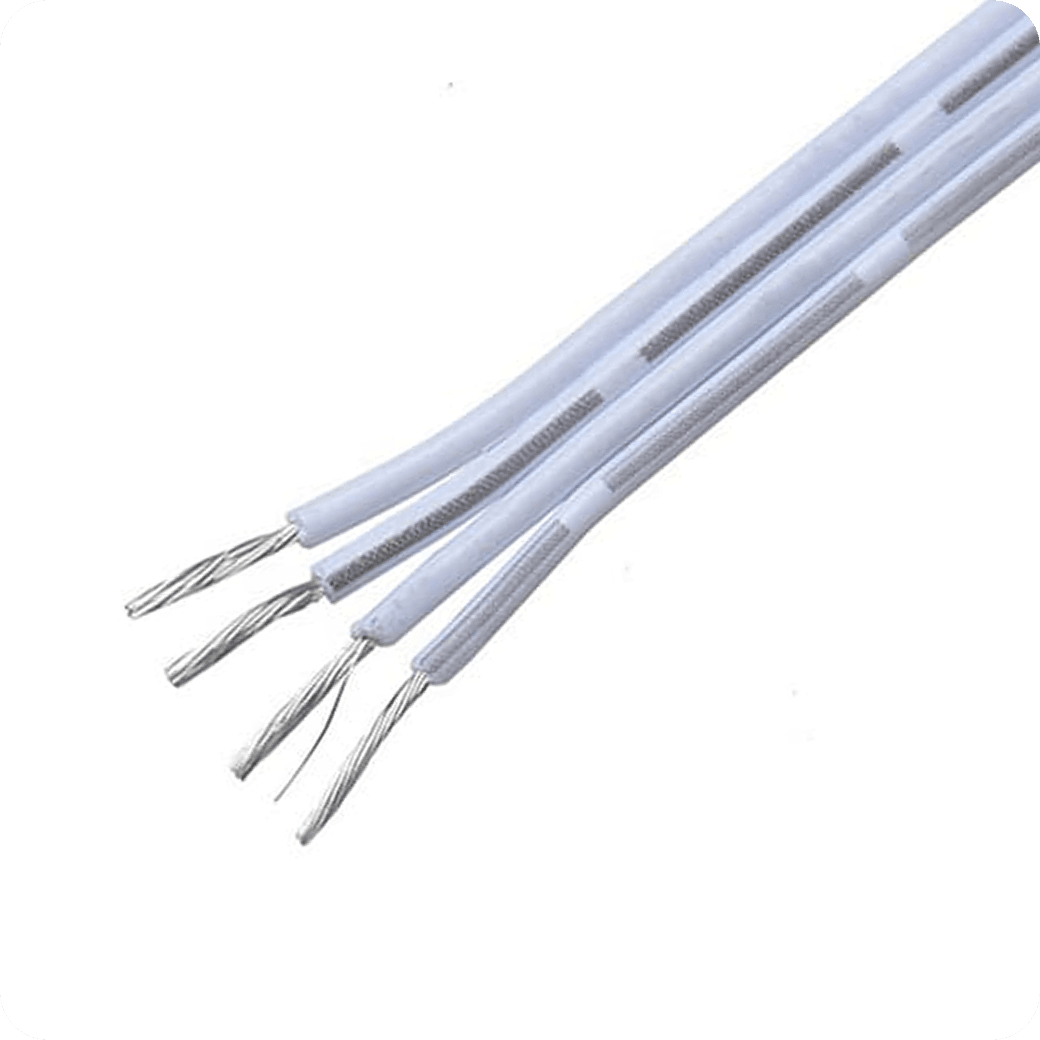
A TS flat ribbon cable is a regular PVC ribbon cable that is UL2651 type. These wires are covered in thin PVC and have tinned copper conductors that are often stranded. For example, 28 AWG ribbon cables. Most of the time, they are made of stranded tinned copper that is 7×0.12 mm with a PVC jacket. The PVC can handle temperatures of up to 105°C for long periods of time. Because they are flexible, these TS cables are great for applications that need a lot of wires to run in parallel. Headers use them with IDC connections that are mass-terminated, and boards use them with soldered connections. TS ribbon cables are often used for the ribbon wire and cables and peripherals inside computers. They are safe to use (300 V, 105°C) and don't cost too much. The conductors are usually 26–30AWG for the best flexibility and current capacity. Using fine-stranded wires in TS cables is a more flexible choice.

TC flat ribbon wire

TC flat ribbon wire

TC flat ribbon cable is a type of ribbon wire and cable that is similar to this one and usually has a focus on "tinned copper." They are actually ribbon cables that have been approved by UL. PVC insulation is common in standard TC cables, and they use either solid or stranded copper (which is tinned). For example, a PVC-insulated ribbon might have a 28-AWG tinned copper conductor in it. These cables have a flat, extruded jacket that holds all of the wires together (no laminating tape) for easy IDC termination. The structure of copper conductors in a flat tape is the same, no matter what UL style number it is (20932 or 2651). The most important things about TC cables are that they are reliable and have even spacing. They are used a lot in industrial devices, audio/video equipment, and putting together computer cables. The word could also mean a coat that is thicker and lasts longer.

Rainbow ribbon cable

Rainbow ribbon cable

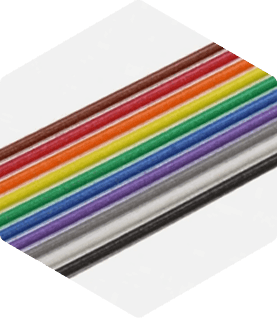
"Rainbow" means ribbon wire and cables that have wires of different colors. The colors that follow a set pattern make it easy to tell which wire is which. Because of this, installation is much easier and mistake-free. These work the same way as regular ribbon cables. You can easily connect them with IDC connections. The repeating color scheme makes it easier to find cables in complicated networks. Rainbow ribbon cables are used by many different types of machines, including airplanes, computers, and industrial machinery. In automated manufacturing (with robots or terminal blocks), it's very important that several identical ribbon plugs don't get mixed up. According to one source, all of the colors in Proterial's .050" rainbow cable are fully extruded, making them easy to tell apart. By combining signal and power lines or several data channels, these cables become strong hybrid interconnects.

Flat ribbon wire process case

Stripping and Splitting

Stripping and Splitting

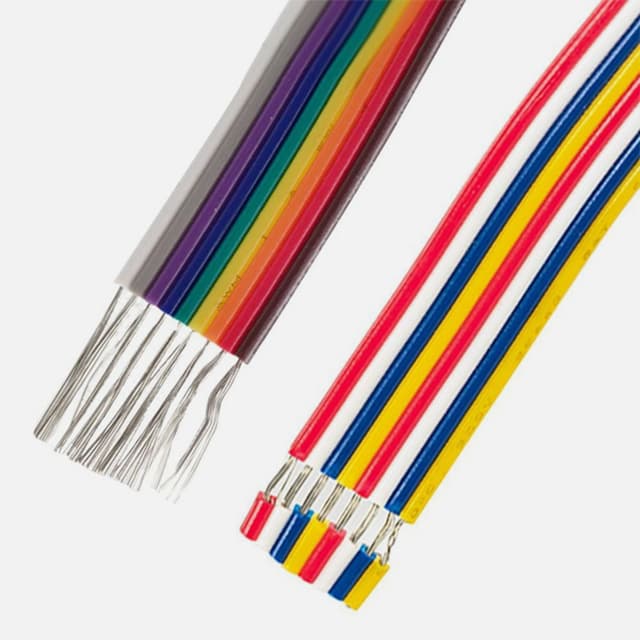
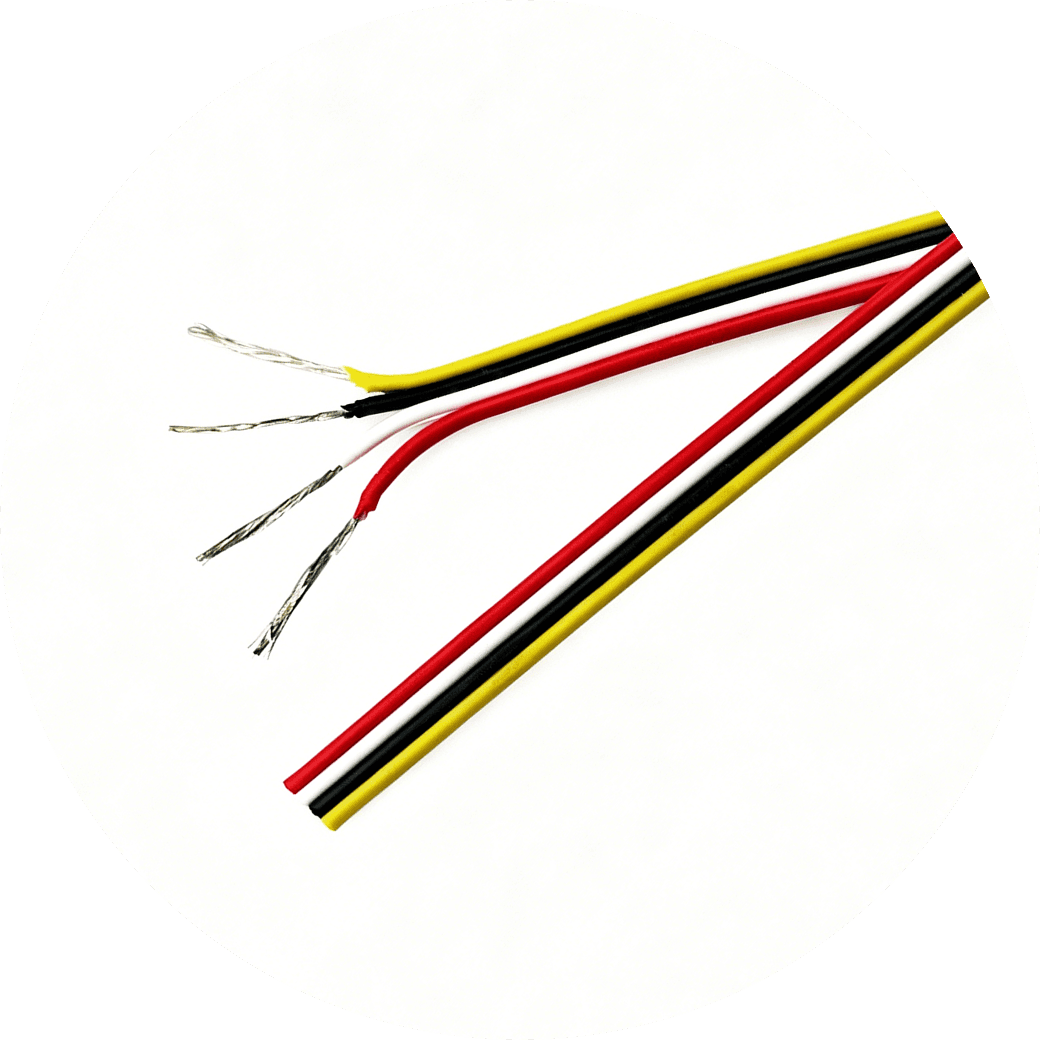
To get ribbon wire and cables ready for use, they are stripped and cut into pieces. The first step is to cut the cable to the right length. The second step is to carefully strip the wires of their insulation. A machine is the best and safest way to do this. If needed, the wires can then be disconnected. This makes it easier to connect them to boards or connections. If the process is not done carefully, damage could happen. This process makes it easier to prepare cables for use in systems. It makes sure that the wiring is nice and neat. If needed, each wire can be treated separately. This gives more freedom in the design and installation processes.

IDC Crimping with UL2651

IDC Crimping with UL2651

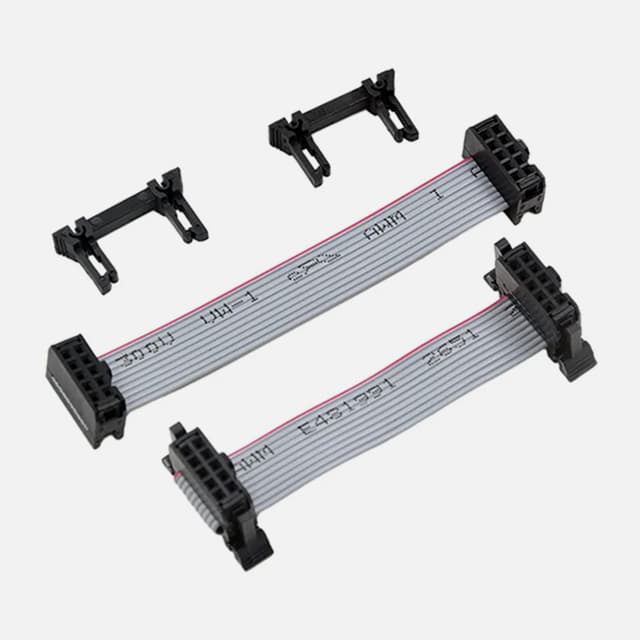
IDC connections are often widely used with ribbon wire and flat cables because they are quick and simple and easy to use. You don't have to strip the wires for these connections; instead, they hold the wire tightly and make a stable electrical connection. This makes field installation faster and easier. In complex electronic systems, connecting many wires at once saves a lot of time. The end result is a reliable, strong, and clean connection. Setup is faster, and careless mistakes are less likely to happen. Many electrical devices come with IDC connections, which is why ribbon cables are so common. It is a common and important step in making standard cables.

Flat ribbon cable with Magnet

Flat ribbon cable with Magnet

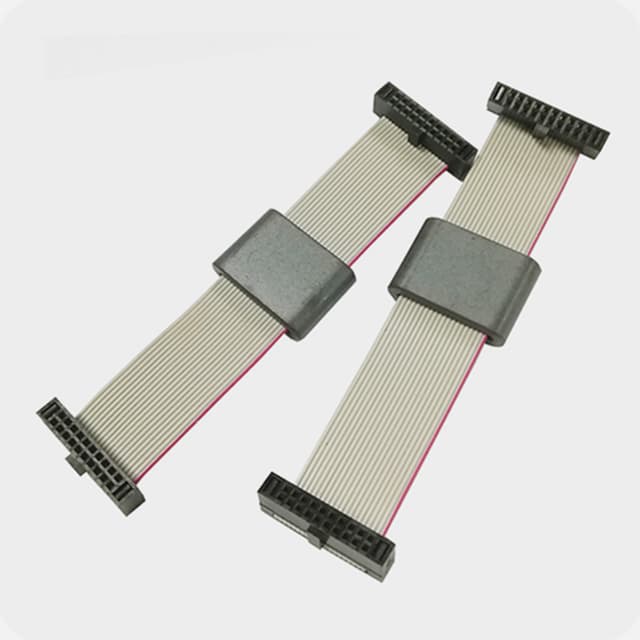
Some ribbon wire and cables have tiny magnetic parts in them. These parts improve both the signal quality and the electrical noise. These parts are a lifesaver in systems where signals need to stay clear. The design stays simple and compact by putting the magnetic parts inside the cable. This adds another layer of protection and keeps the cable clean. These wires are used in modern electronics and high-performance setups. They help keep communications stable and clear all the time.

Computer flat cable

Computer flat cable

Flat cables are used to connect different internal parts of computers, such as hard drives and motherboards. Because they are flat and lightweight, they are great for tight spaces. Usually, they have a colored edge that points in the right direction. This helps prevent common connection errors. Even though other types of cables are becoming more popular, ribbon cables are still very important. They are used in both older systems and some newer electronic gadgets.

Flat ribbon cable custom made service

We make ribbon wire and cables just for you for special tasks and needs. Businesses can change the size, length, and number of wires in the cables in many ways. This makes it easier to find the right fit for a system's needs. Custom cables improve both device compatibility and performance. These services can handle orders of any size. They are useful for both full production and testing new ideas.

30AWG~24AWG flat ribbon cable

30AWG~24AWG flat ribbon cable

What this means is that QL is compatible with a wide variety of wire gauges for flat cables. While 24 AWG wires are somewhat thicker (about 0.25 mm in diameter), 30 AWG wires are extremely tiny (thinner, roughly 0.25 mm^2). Any gauge in between can be used with QL's flat cables, which cover this range. The 24 AWG cables are stronger and thicker, thus they can take a larger current (around 1-2 A). Any of these gauges can be used to make standard ribbon cables, such as UL2651. Referring to the specifications for 50-pin cables, a flat 24 AWG wire with 50 conductors may support a maximum current of 10 A and a voltage rating of 300 V. In contrast, dozens of wires may be accommodated by a 30 AWG cable, even if it only carries a few hundred milliamperes. Flexibility is maintained even at 30 AWG when fine-stranded copper is used. For IDC termination, each of these flat wires has parallel spacing. With narrow gauges for signal-only harnesses and wider gauges for mixed power/data or power-only buses.

Teflon zip flat wire

Teflon zip flat wire

Fluoropolymer coatings on flat ribbon wires, such as PTFE, FEP, or PFA, make them known as Teflon zip wire. The ribbon wire and cable as a whole is extremely resistant to heat and chemicals because the insulation around each conductor is similar to Teflon. The constant usage of Teflon materials (PTFE, PFA) near 200°C and brief spikes up to 260°C are both within their capabilities. Ordinary PVC wires are 105°C, so this is far higher. This is why severe conditions require PTFE ribbons, often known as Teflon wire. On a chemical level, these insulators are second to none. Because of their inert nature, PTFE and PFA will not break down when mixed with fuels, acids, or solvents. In environments where PVC wouldn't hold up, such as an engine compartment or a chemical factory, a flat cable bundle insulated with Teflon might be utilized. Physically, Teflon ribbons are no different from any other ribbon; mass-terminating with IDC or soldering them remains an option. Unlike braided sleeving or spherical Teflon wires, the flat-tape structure takes up less room.

50C Flat ribbon cable with cable jacket

50C Flat ribbon cable with cable jacket

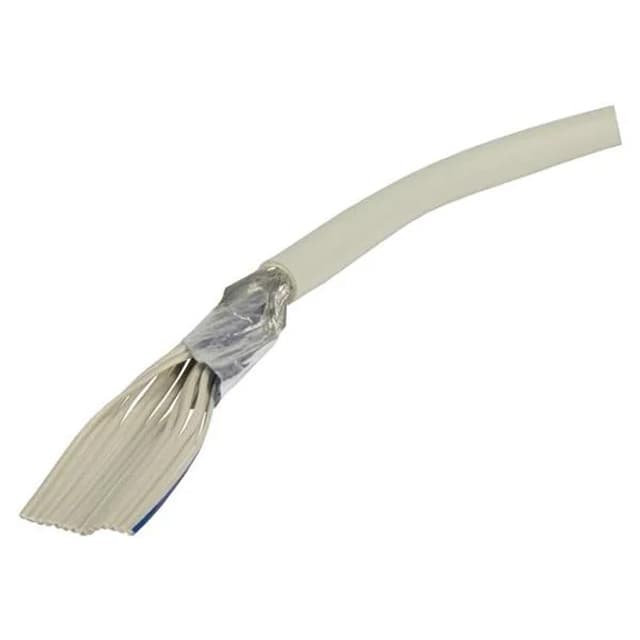
Usually, a flat ribbon cable with fifty conductors is meant by this. As a practical matter, "50C" denotes fifty conductors. As an example, 50-pin ribbon cables (24-AWG) with a pitch of 0.050 inches are manufactured by QL or other manufacturers. These cables are approximately 7 inches wide. The following is an example of a specification for a flat cable: 50 wires, 24 AWG, 300 V, 10 A. Complex systems that need several wires in a single harness sometimes make use of 50-wire ribbons. By merging fifty separate wires into a single, flat tape, they significantly reduce the amount of wiring space required. An industrial control panel's power and communications were carried by a 50-pin wire, according to one data sheet. The 300 V and 10 A ratings are due to the 24 AWG copper conductors used in its construction. Even with the 6.9-inch width, routing was still easier than with fifty individual cables. In order to ensure that all fifty wires remain in exact alignment, the jacket (external sheath) of the cable is frequently strengthened.

Industries et applications

Computing & Consumer Electronics

Computing & Consumer Electronics

Ribbon cables are everywhere in computers and consumer electronics. They connect control boards to peripherals like printers, CD/DVD drives, LCD panels, and hard drives. They are also used in TVs, audio equipment, gaming consoles, and other consumer electronics.

Industrial Automation & Robotics

Industrial Automation & Robotics

Ribbon cables are often used in factories for control panels, PLCs, and robotic systems. Ribbon harnesses let hundreds of signals (sensors, motors, switches) run in an organized way. Their long life and compact, flat design make them very useful for machines and automated testing equipment.

Automotive & Transportation

Automobile et transports

Ribbon cables are used in modern cars, trains, and boats for infotainment systems, instrument clusters, and sensor arrays. A flat cable is better than a spherical bundle of wires because it has more communication routes and less bulk. Ribbon cables are also used in car electronics to connect circuit boards.

Aerospace & Defence

Aerospace & Defence

Ribbon cables are used in aerospace and defense systems like airplanes, satellites, and other similar devices. They are also used in missiles, drones, and avionic control modules. They can handle the extreme conditions needed at high altitudes or from strong vibrations because they can be made with high-quality insulations like PTFE.

Medical & Instrumentation

Medical & Instrumentation

Ribbon cables are used in diagnostic equipment, lab analyzers, and medical imaging as important signal lines. The organized structure of the cables makes it easier for doctors and staff to service complex equipment. Ribbon cables are cleaner and easier to route than messy wire bundles, which makes them a better choice for medical devices.

Thermal Aging Resistance for Long-Term Stability

Insulations made of high-temperature PVC or Teflon stay stable for a long time. UL2651 flat cables will last for decades under normal use because their PVC insulation is certified to 105°C. The Teflon versions (PTFE/PFA) can handle even higher temperatures, from 200 to 250°C.

A fluoropolymer jacket, like PTFE/PFA, can protect you from the effects of heat. They won't harden or crack even after being exposed to heat for a long time. This means that the cables' insulation stays flexible and waterproof for a long time.

These cables meet the quality standards set by UL and ISO. For example, QL-Custom tests their UL-certified ribbons to make sure they keep their insulating resistance over time. In fact, electrical performance hardly gets worse after being tested in an oven or engine for a long time.

High Flex Life Performance

High Flex Life Performance

Ribbon cables can be designed to last a long time when they are bent. For example, 3M's 3319 series of high-flex cables has been tested for 100 million fold cycles. These cables use strands of high-strength copper alloy for each conductor. Because the strands are so small, the cable can be twisted, folded, and bent over and over again without breaking. These types of cables are perfect for applications that need to bend thousands of times a day, like robotic arms or moving machine heads. 3M says that the 3319 series "delivers long-term dynamic flexibility" after 100 million flex cycles. These cables are used in robotics and automation systems. They last longer than normal cables. This reduces the need for replacement. It improves system reliability.

Hybrid Cable Design Combination

Hybrid ribbon assemblies integrate both the power and signal lines into a single wire, eliminating the need for separate cables. Many 30 AWG data wires and multiple 24 AWG power wires might coexist in a single flat jacket as an example of a hybrid cable. It allows data and power to be sent using a single wire. Eliminating the requirement for separate power and signal bundles through the combination of conductors results in space and weight savings. Reduced bulk and reduced weight are characteristics of a unified hybrid cable. When considerations of portability, weight, and dependability are paramount, hybrid cables provide "a high-performance alternative," as pointed out by Meritec. Eliminating duplication is particularly advantageous for vehicle and mobile systems.

Hybrid Cable Design Combination

Avis des clients

Avis des clients
★★★★★

I needed a 30-pin ribbon cable for our prototype. QL-Custom quoted quickly and delivered exactly to spec. The cable fit perfectly into our IDC sockets and the manufacturer’s drawings were spot-on. Excellent quality.

★★★★★

We asked for a custom 50-conductor flat ribbon with a cable jacket. QL-Custom handled it professionally. The end result was sturdy and easy to route in our enclosure. Will definitely order again for future projects.

★★★★★

The Teflon zip flat wire we got from QL is amazing. It went into our high-temp furnace setup and never melted. It saved so much space compared to our old bundle of wires. We couldn’t be happier with the performance.

★★★★★

As an engineer in industrial automation, I rely on cables that can handle flex. The 3M high-flex cable QL provided lived up to its description. We’ve run it in our robotic cell through millions of cycles without a single break. Top-notch service.

Best Partner to Purchase Ribbon Cables

Best Partner to Purchase Ribbon Cables

You can trust QL- testing equipment to make sure that every ribbon cable is up to par. At QL, we pride ourselves on our lightning-fast response time (we guarantee a quote within hours) and our affordable, high-quality Ribbon wire and cable prices. If you choose the right provider, you can avoid problems in the future. It improves the performance and longevity of cables.