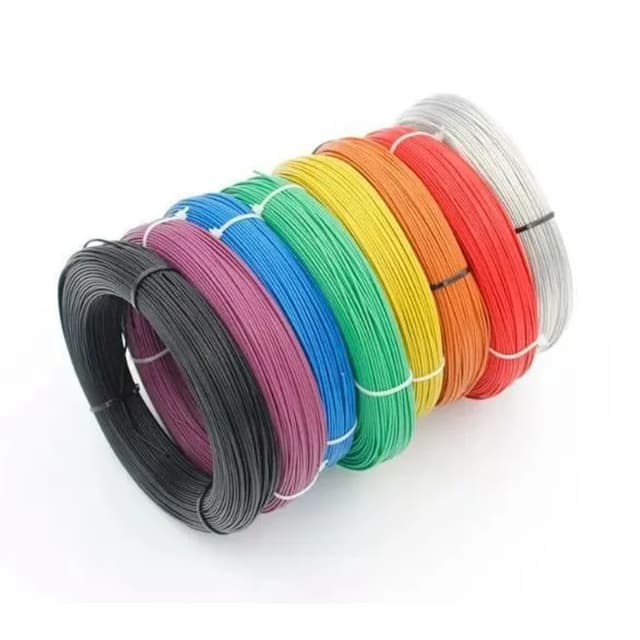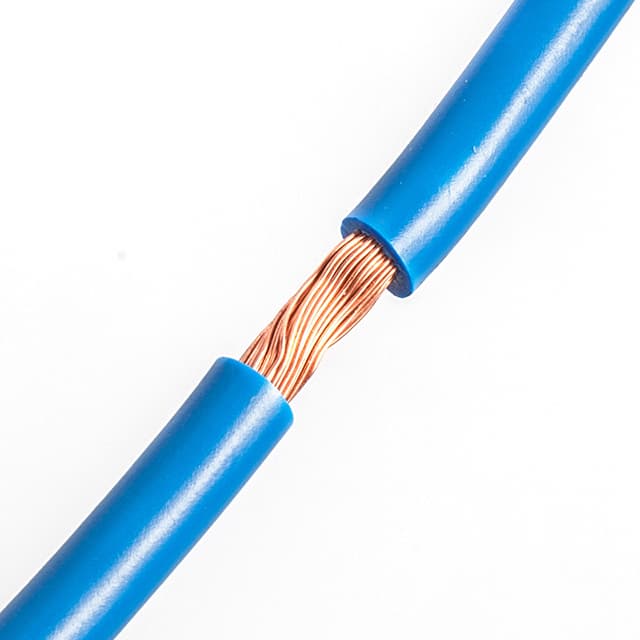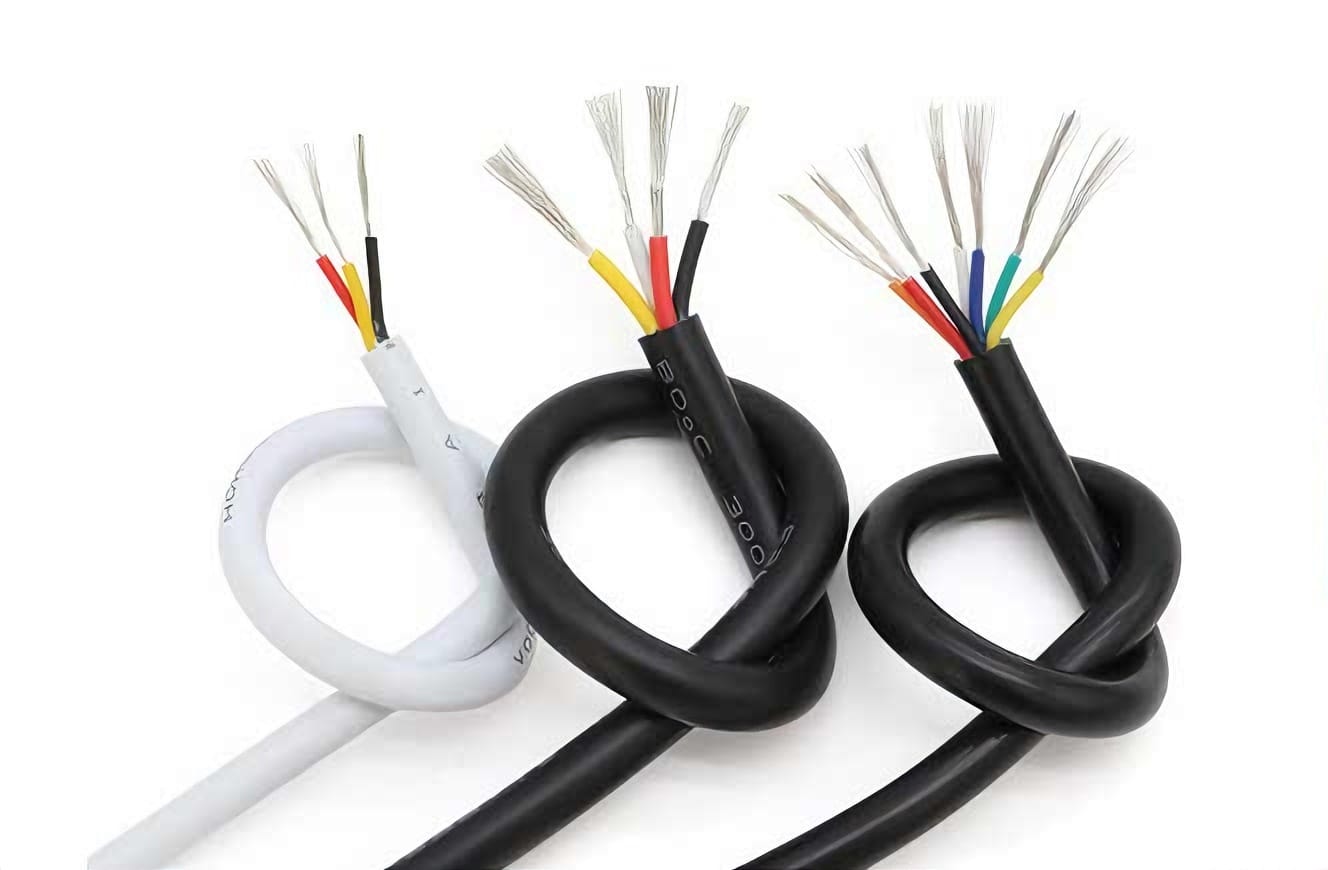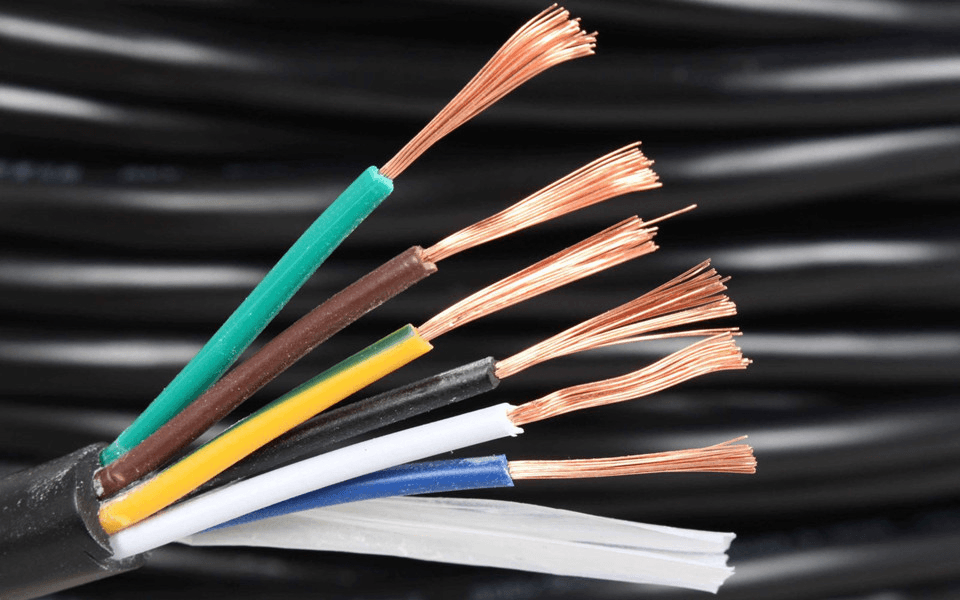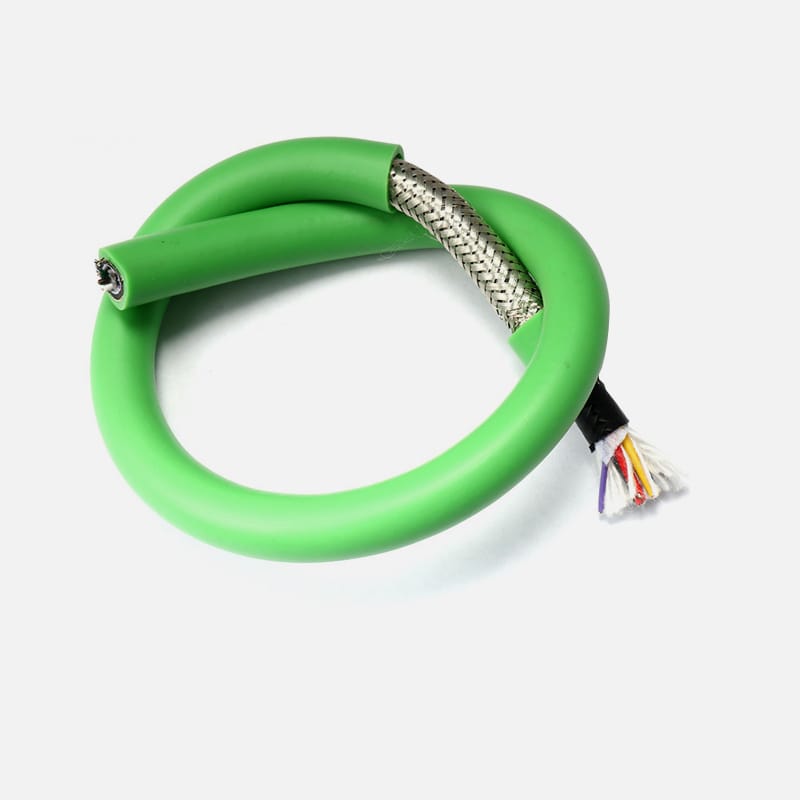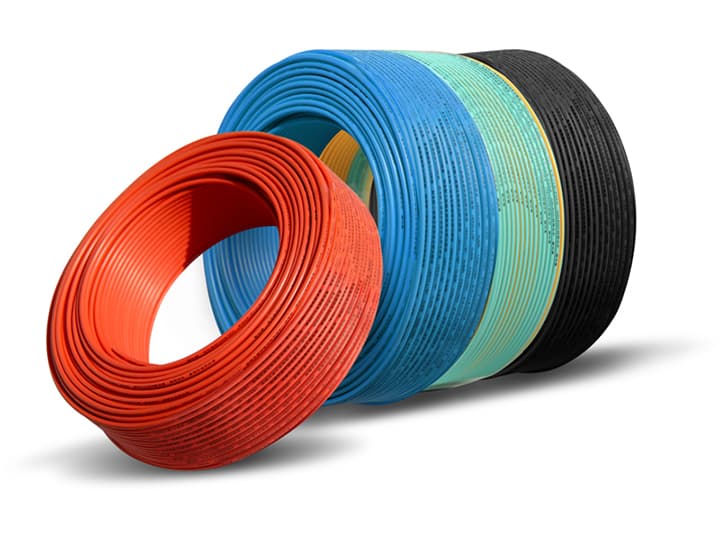
Cross-link wire and cable have molecularly bound insulation chains. Stronger, heat-resistant, and robust than most wires. These pro- grade cables are the best option for tough jobs where wire breaks easily.

Cross-link wire and cable changes insulation molecular structure. XLPE and XLPVC are made by forming strong chemical bonds using electron beam radiation. This bond does not melt or brittle at high temperature, pressure, or mechanical stress like other polymers. This creates an insulator that holds its form at high temperatures and protects the conductor from severe conditions. The electrical qualities and low moisture absorption rate of XLPE make it popular for power cables and car cross-link wire. Cross-linking and flame resistance make XLPVC an ideal panel and enclosed area material. Both variants outperform PVC in oil, chemical, and solvent resistance. They are flexible even at freezing, which is great for outdoor and automobile applications.
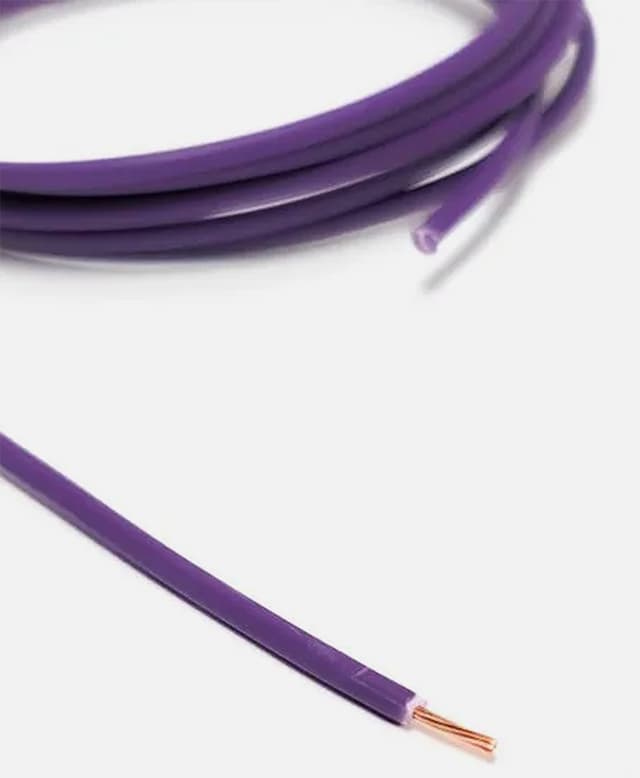
Trust UL certification when it comes to safety. Our UL approved cross-link wire line is second to none in North America for electrical performance, flame resistance and temperature rating. All cross-link wire and cable types have been tested and verified befor e being used in any project.

A wire harness we are doing is not off-shelf cable, so please send
UL3266 is a cross-linked wire with the ability to operate up to 125°C and 600V. The insulator used is irradiated XLPE which is not affected even when exposed to very high temperatures. This wire is great for use inside appliances, control panels and power equipment. It is strongly dielectric, space saving and thin wall. UL3266 is a good bet when space is tight and heat is an issue.
UL1430 is relied upon for wiring electrical equipment up to 105°C and 300V. It is cross-linked insulated to prevent cuts and abrasions during assembly. The small wire is light and is great for working in tight places on printed circuit boards (PCBs) and inside components. It has great chemical resistance and passes the UL flame test. UL1430 is often used for wiring consumer electronics and small appliances.
The UL4413 zip wire is a twin conductor cable with cross linked insulation to allow for easy separation. 105°C and 300V which makes it ideal for use with portable power tools and flexible power lines. Zip design allows you to quickly separate fields and no cutting tools are needed. Its cross-linked jacket is wear-resistant and helps to align and insulate both conductors. UL4413 is good for low voltage portable power applications.
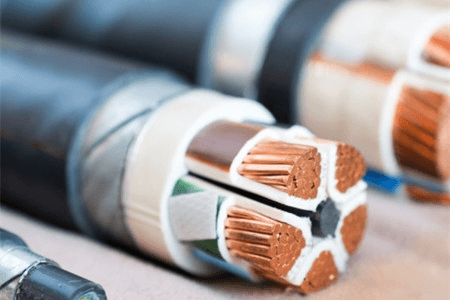
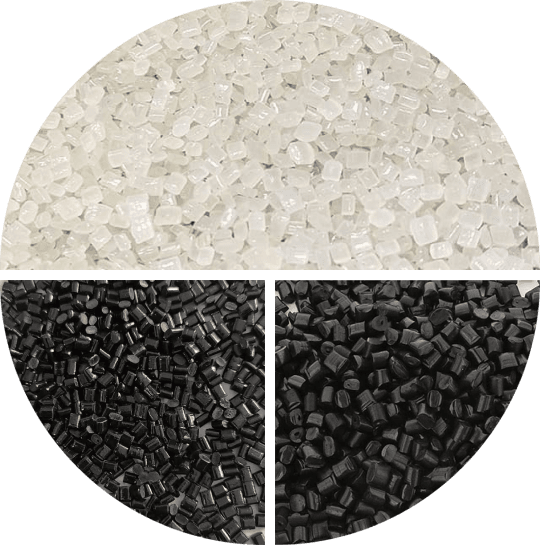
Cross-linking is not possible for all plastics. The most successful materials are those which respond well to chemical or radiation treatments. Choose from three leading materials to customize the insulation to the needs of your particular application; XLPE, Irradiated LSZH and Irradiated PVC. Each of these materials adds its own unique characteristics to the finished cross-link wire and cable.
XLPE, or cross-linked polyethylene, is used as insulation material in high-performance cables. Normal PE is modified into a thermoset material which will not melt when exposed to electron beam radiation. Excellent electrical insulation is maintained even at temperatures as high as 125°C. “XLPE is resistant to moisture, ultraviolet radiation and most chemicals making it ideal for use outdoors, underground and in automobiles.”
LSZH is a low smoke zero halogen product. By exposing it to radiation, it gets the cross-linking thermal strength and the benefit of fire safety in that it emits very little harmful smoke. That is why it is the material of choice in highly flammable environments such as subways, trains, ships and public structures. Irradiated LSZH cables are not only flexible and durable, but also meet stringent fire performance requirements.
Regular PVC gets soft and flows when it is heated. But the cross-linking that takes place in irradiated PVC makes it unique. It retains its solid form at high temperatures. PVC is already known for its flame retardancy and low cost, and now has added improved heat resistance and cut-through strength. Irradiated PVC finds application in many fields where a compromise between cost and performance is necessary, e.g. appliance wiring and automotive harnesses.

Most wires have insulation that starts to degrade and eventually breaks down at temperatures between 70° and 90° Celsius. When the wire is cross linked the molecular bonds hold it together even at 125 ° C. So you can get more current through the cross-link wire and cable without damaging it. Industrial ovens, control panels, engine compartments and the like demand extreme heat resistance. This is possible by cross-linking.
Obter um orçamento rápido
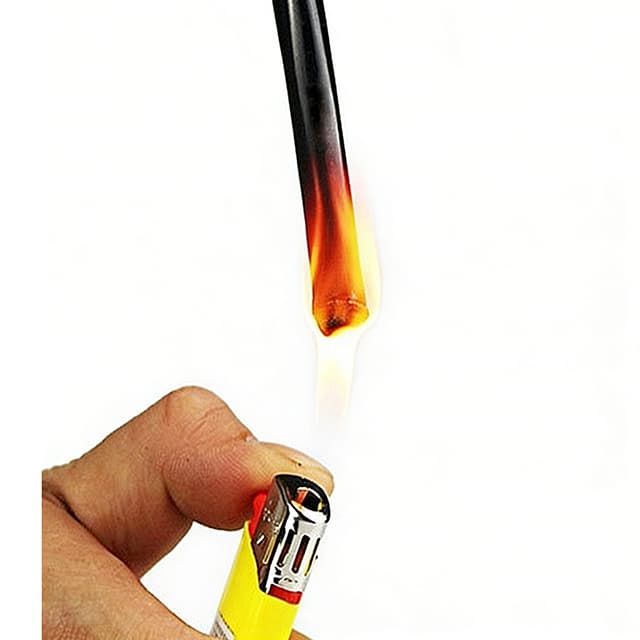
Cross-linked cable insulation chars instead of dripping when exposed to fire. It burns slowly and so fires are less likely to spread along the length of the cable. Also, cross-linking does not make the wire rigid, but on the contrary, it keeps it flexible even in cold temperatures. In an emergency you get a wire that is fire-resistant and can be bent and routed quickly during installation. That strange combination is ideal for vehicle cross-link wire and building wiring.
Obter um orçamento rápido
Wires in moving machinery, cars and narrow conduits have a trouble with constant rubbing. When the normal insulation is worn through, the conductor is exposed. The thick molecular network of cross-linked insulation fights back against cuts, scrapes and surface wear far more effectively than plain old PVC or PE. This abrasion resistance will directly result in fewer problems, less maintenance, and a longer lifespan.
Obter um orçamento rápido

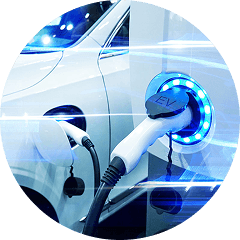
Many newer vehicle harnesses have automotive cross link wire or cross link automotive wire as their standard. They stay perfect and intact throughout the life of the car, even with exposure to gasoline, high temperatures and constant vibration from the engine.

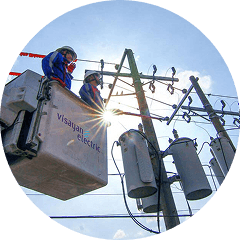
Electron beam cross-linked cables are used for power grids, substations and distribution networks. Their high current capacity and thermal stability improve grid dependability at long distances and reduce energy loss.

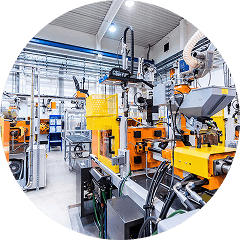
In factories the cross-link wire and cable is used in motors, drives and control panels. The abrasion-resistant insulation can withstand high temperatures, constant movement and oil in the machinery without being damaged.

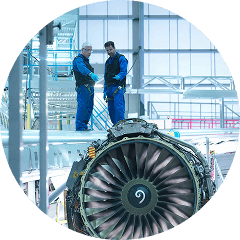
Aerospace wiring must have thin, tough insulation that is sensitive to weight. Irradiated materials and cross-linked XLPE are providing the best weight-to-performance ratio for drones, military vehicles and aircraft.

Cross-link wire and cables irradiated with LSZH are required to comply with fire safety regulations for ships and trains. These wires will emit very little smoke, and no harmful gasses, protecting passengers and crew in the event of a fire.

The sun’s energy, rain, salt air and wildly changing temperatures could turn wind turbines and solar panels into power. The insulation life of XLPE cross-linked cables is 25 years or more and all these stresses can be sustained without any deterioration.
Cross-link wire can be used up to 125°C, while typical primary wire is rated for only about 80°C. This makes cross-link wire suitable for use in hot engine bays.
The molecular network of the cross-linked main wires can resist wear in abrasive conditions and last three to five times longer than standard insulation.
When exposed to fire, cross-linked insulation burns and extinguishes itself, while regular main wire melts and drips, setting everything in its path on fire.
Cross link wire is rated the same but occupies less diameter so the insulation can be thinner. This leads to savings in weight and space in dense wiring packages.


Primary wire deteriorates quickly with repeated chemical contact, secondary wire more resistant to oils, coolants & solvents generally found in industrial & automotive areas.
Cross-link wire and cable remains elastic to -40°C. On the other hand, winter installation can make a number of main wire types brittle and crack.
Improved current carrying capacity for the same gauge- improved thermal management allows one to step down wire gauge and still meet electrical demands.
Fewer replacements, less downtime and fewer warranty claims.

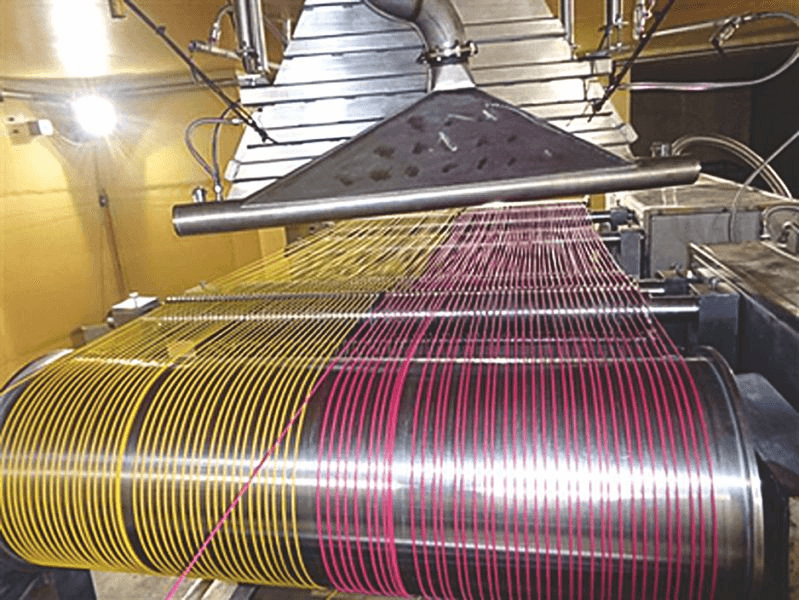
An electron beam crosslinker is the cleanest, most precise
means to cross-link wire and cable today. This method treats
extruded wire in a high-energy electron accelerator.
Electron beams are sent deep into the insulating layer at
nearly the speed of light. They disrupt molecular bonds
within the polymer, forming new crosslinks between chains.
The result is a three-dimensional thermoset network.
Insensitive to heat and flow.
Electron beam cross-linking allows exact density control
without byproducts or additions, unlike chemical
cross-linking. It's used for automotive, aeronautical, and
medical EBX cables. The quick procedure on continuous lines
simplifies mass production. Maintaining wall thickness
within a set range ensures regular cross-linking across the
insulation as the beam penetrates from the outside in.

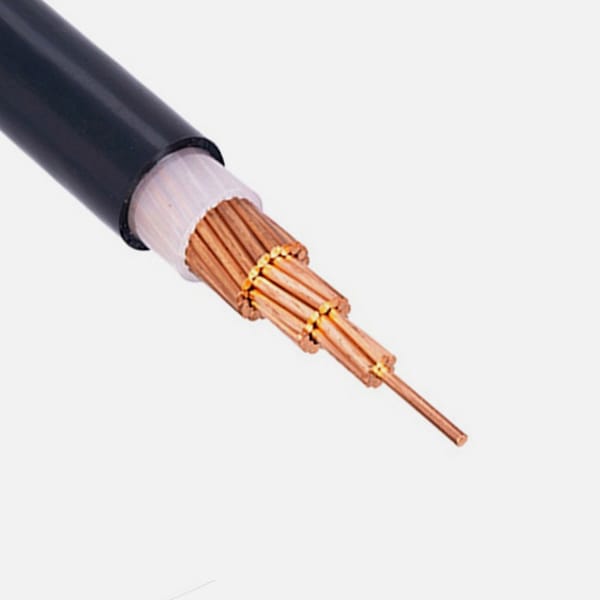
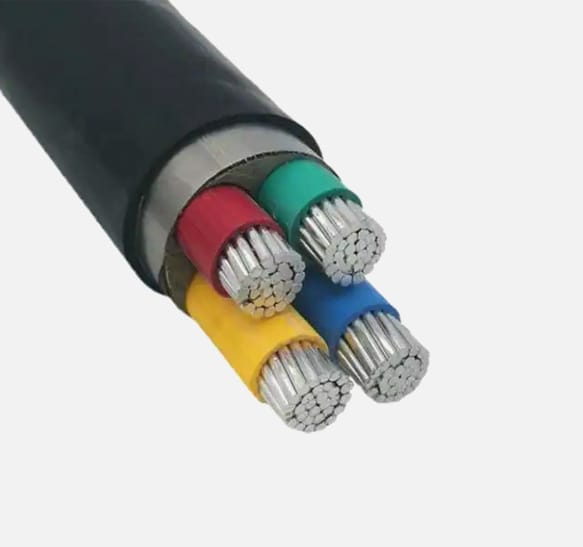
One conductor in thick XLPE insulation for use in conduits or direct burial. This arrangement allows for high voltage handling with a maximum current capacity and very little space needed.

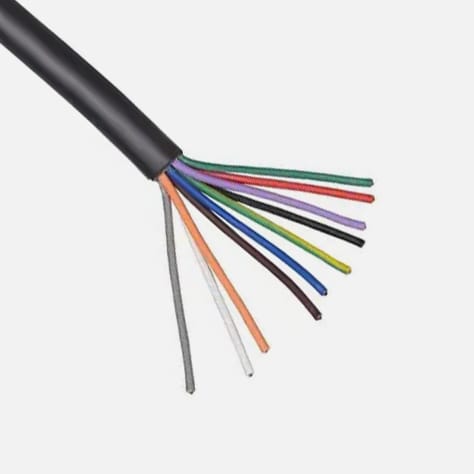
A plurality of insulated cross-linked conductors are bundled up and protected by a common jacket. Use in automation and control panels of manufacturing. Each core is isolated, so the signal is not compromised, even in extreme load situations.

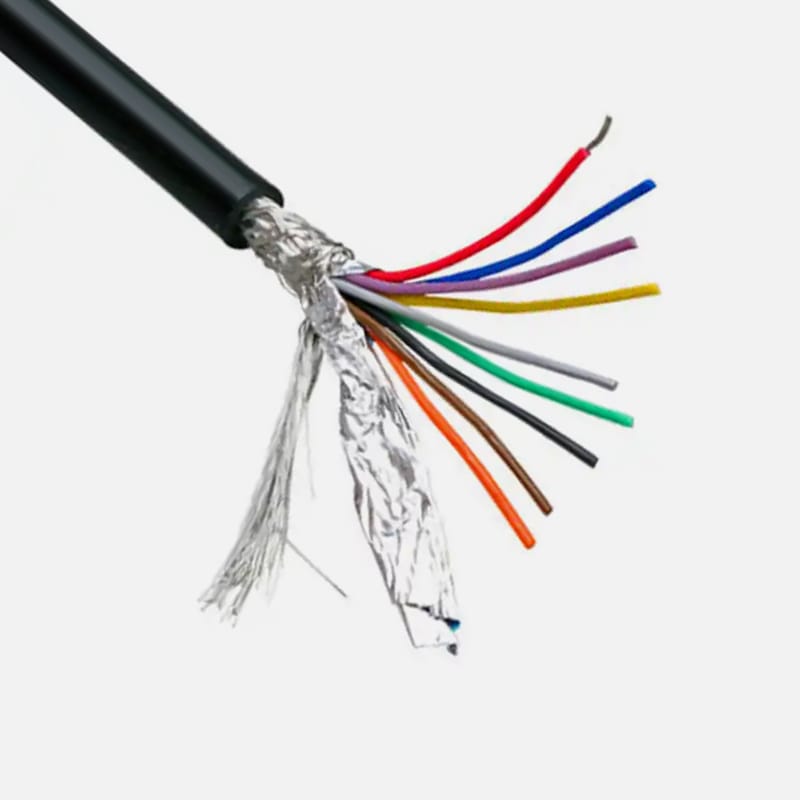
A braid or foil shield is wrapped over cross-linked insulated conductors to protect them from electromagnetic interference. It is important for sensor wiring in high precision instruments and automobiles where the reliability of the signals is of paramount importance for the operation of the systems.

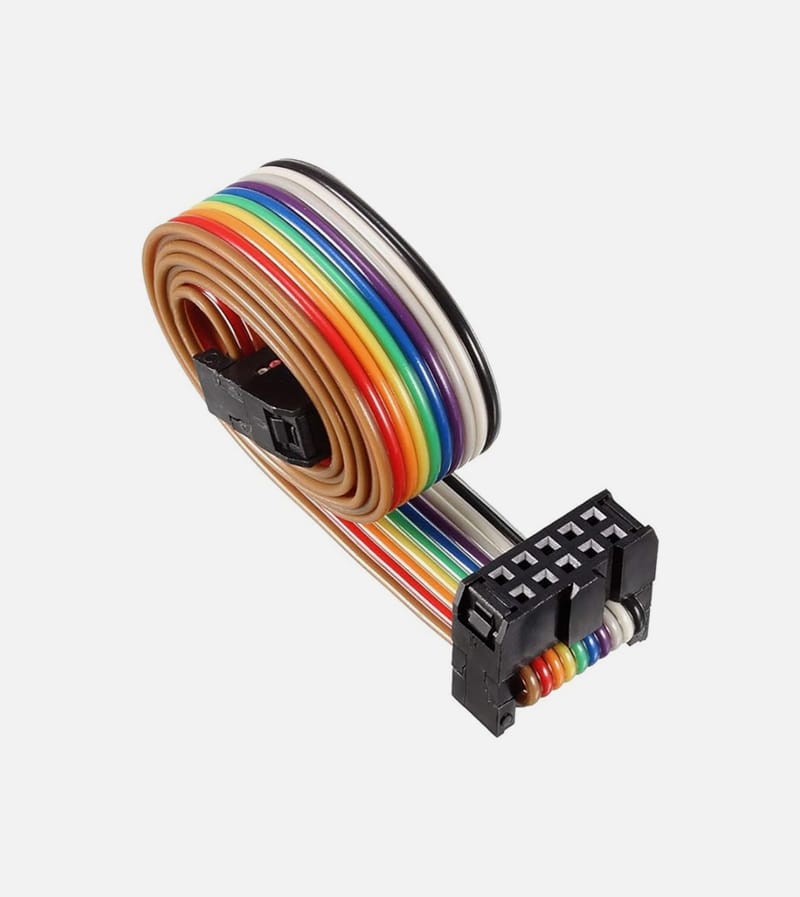
Connectors for printed-circuit and interior equipment wiring, made of parallel conductors with cross-linked insulation and flat profile. The flat design makes it easy to install and maintain in tight gaps and with minimal wire clutter inside panels.

XLPE insulated wire is covered with a steel wire armor, which is a good mechanical barrier for direct burial. This cable is designed to withstand the most extreme underground conditions in power grid and pipeline construction, including soil pressure, rats and moisture.

Fine stranded conductors and soft cross-linked insulation allow thousands of flexing cycles without conductor fatigue or breaking of the insulation. Perfect for machines with a cable running alongside the load, such as crane, dragline and port machinery.

We switched all our harness builds fully to QL-Custom's reliable automotive cross-link wire. The difference in durability is clear. No more heat damage near the exhaust, and the insulation holds up steadily in our wash-down environment perfectly.
QL-Custom is our main supplier for UL3266 and XLPE cross-linked cable. Their quality control is tight, delivery is reliable, and pricing is very competitive for factory-direct orders. Highly recommended as a China cable supplier.
I was quite skeptical about ordering cross-link wire from China. But QL-Custom’s formal documentation covers UL certs, test reports and material specs, all complete and highly accurate.
We needed custom cross-linked wire for a defense contractor application with very tight specs. QL-Custom produced samples within two weeks and matched every parameter.

QL-Custom Technology Ltd. is a reliable supplier of cable and wire crosslinking agents in China, with a focus on UL-certified, XLPE, and irradiated wire products. We serve original equipment manufacturers (OEMs), energy developers, industrial builders and bespoke specifiers from all over the world. Our factory has strict quality control from the selection of raw materials to the processing of each reel with an electron beam. We can ship our conventional cross-link wire and cable alternatives worldwide or can provide completely custom constructions for specialized applications. Our products are delivered on time, to spec and at competitive factory prices.