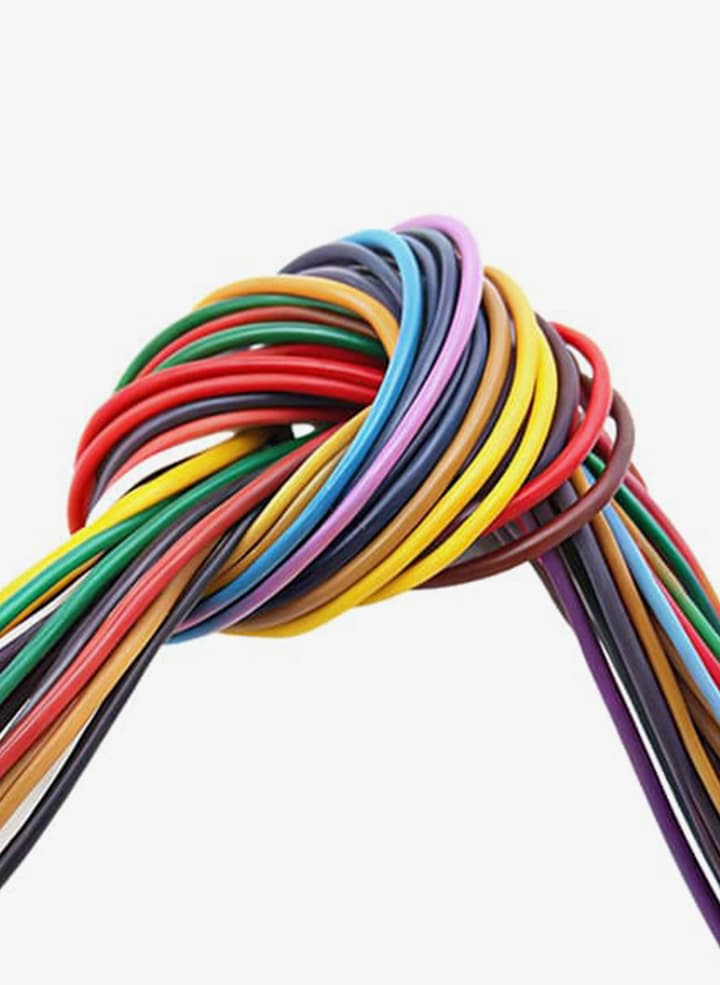
超柔性电线电缆

Ultra flexible wire and cable are engineered for maximum mobility and endurance in dynamic systems. These cables have flexible jackets and ultra-fine strands which makes them able to flex endlessly without fatigue.

What is Ultra flexible cable

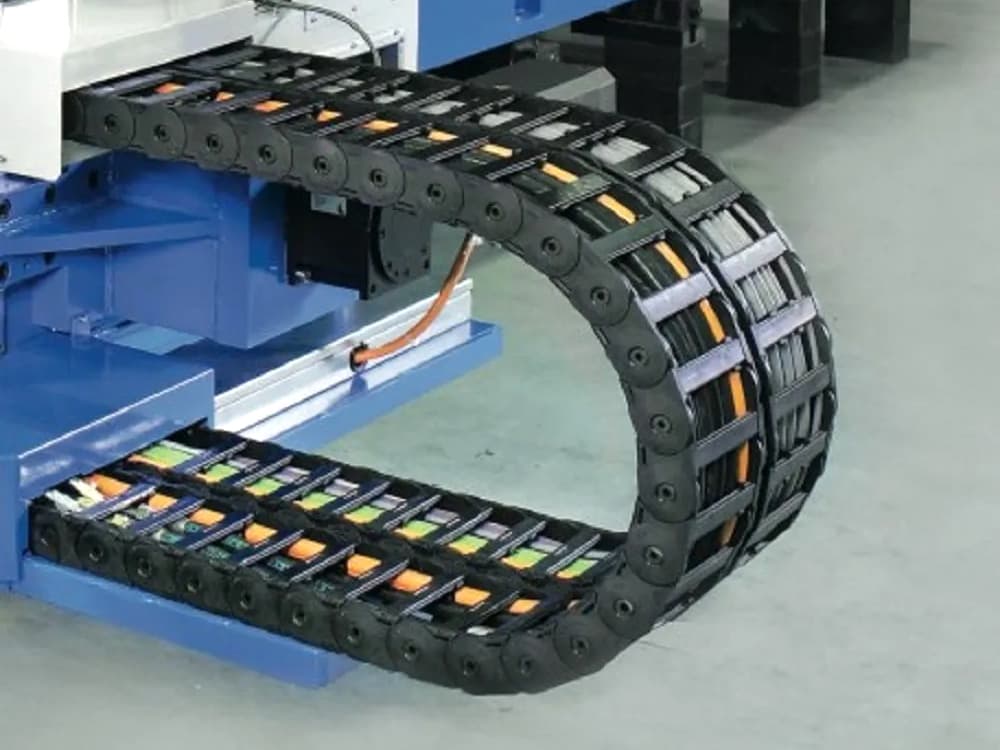
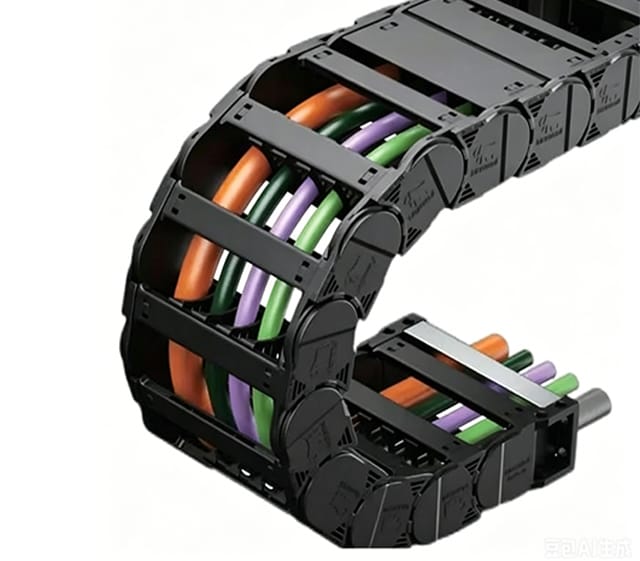
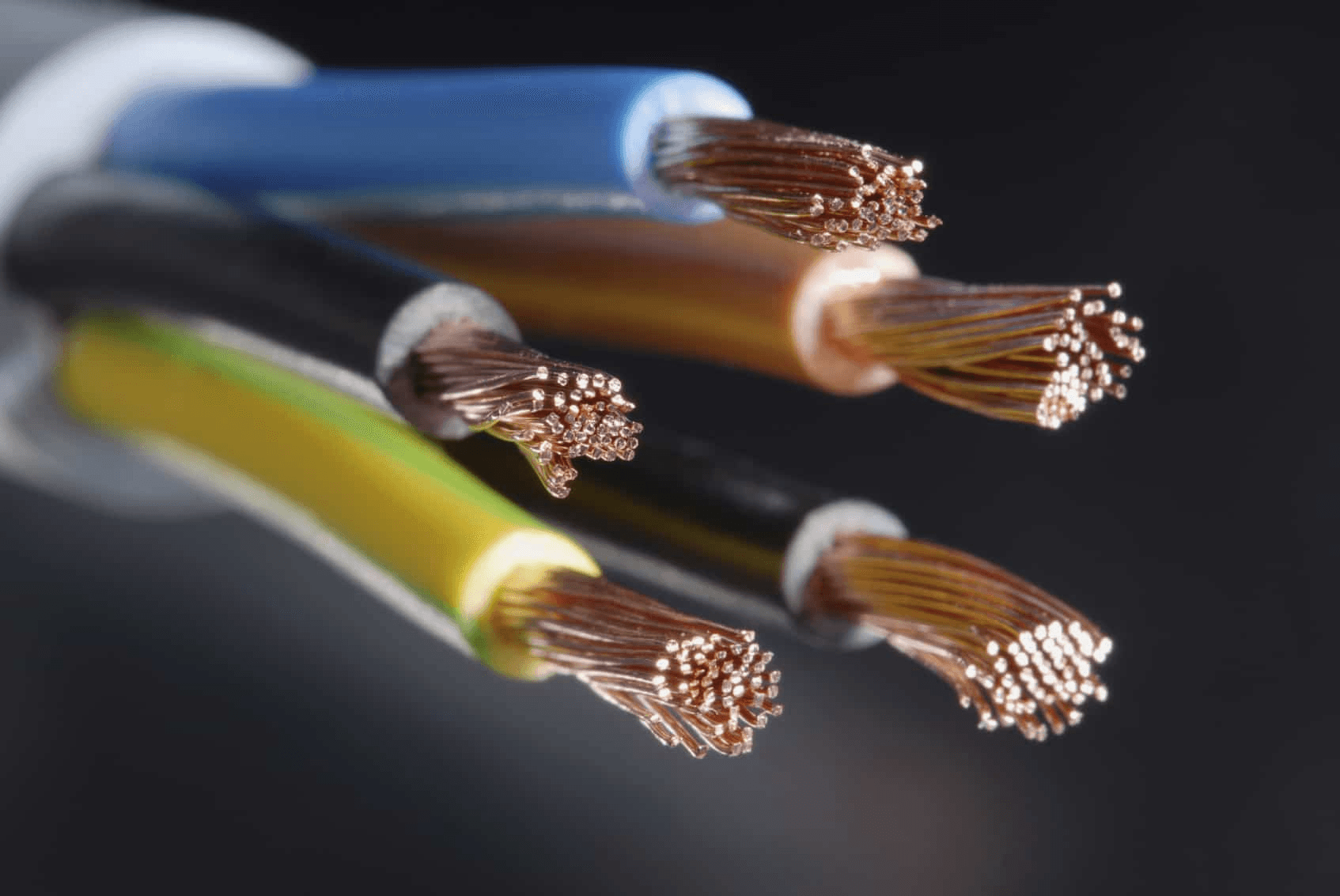
Ultra flexible wire and cables are designed to withstand constant motion and repeated bending. These cables can be stretched millions upon millions of times without breaking because they are made of ultra flexible stranded wire (many fine strands of copper) with elastic insulation. An example of an Ultra flexible wire and cable is drag-chain which is designed to resist continuous bending unlike regular cable can withstand millions of alternate bends in a single shift. Their applications are in robotics and automation where signals and power need to be routed through tight spaces and movable joints. Conductors remain in line with core wrappings, outer sheaths (e.g. silicone, TPE, PUR, etc.) provide resistance to heat, oil and abrasion. Ultra flexible cable combines super-soft construction with robust materials, allowing machines to move freely without cable issues.
Which materials can be use

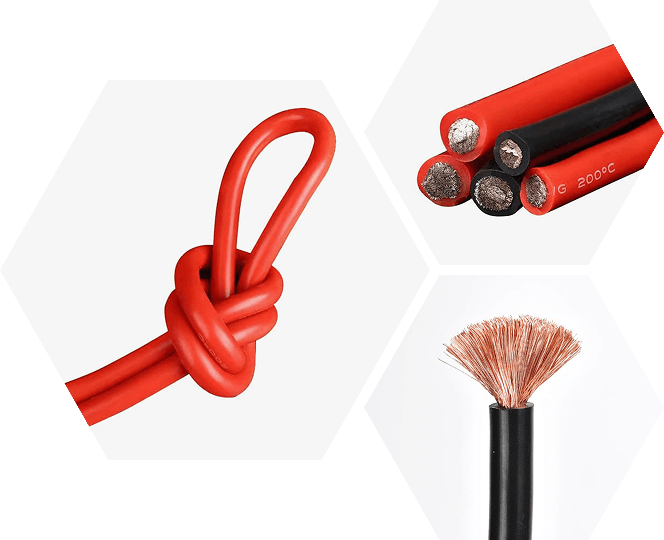
Modern polymers are used to insulate and jacket high-flex cables. Common materials are silicone, polyurethane and thermoplastic elastomers. Each one offers the perfect balance of suppleness, temperature range and flexing usage durability. Silicone rubber is one material that stays flexible from -40°C to +200°C. TPE composites can endure significant temperature variations.

Silicone wire

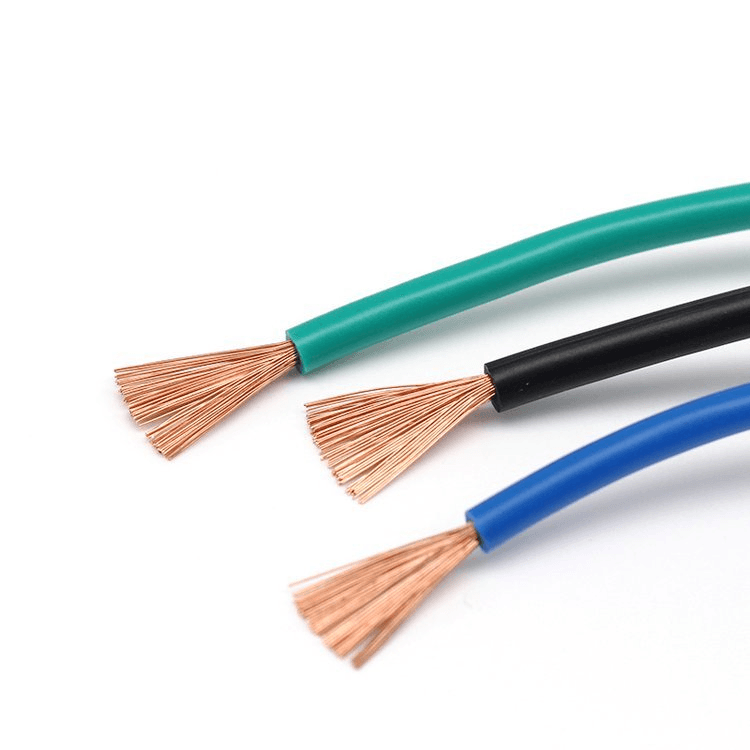
The silicone insulated wire is very flexible and can withstand high temperatures. Best pliability is with fine copper with a high strand count, often silver coated. A standard silicone wire (like Daburn #2618) will stay flexible even when cooled down to -40°C and is rated to +200°C. This makes silicone wire ideal for applications requiring ultra flexible electrical wire in demanding conditions. Silicone insulation has excellent dielectrical properties, and is resistant to ozone and ultraviolet light. Silicone cables are frequently utilised in medical devices, LED lights, home appliances, and robotic systems due to their heat resistance and ability to be bent many times.

Ultra TPE wire

Thermoplastic elastomer (TPE) cables combine the best features of plastic and rubber. TPE compounds provide cables with outstanding flexibility and resilience even under stress. These wires are designed to operate in a temperature range of -50°C to +105°C and remain flexible after hundreds of bends. Applications of TPE wires include outdoor cables, portable cords, and machinery. The material’s excellent resistance to mechanical stress and extreme temperatures makes it ideal for applications such as crane cables and automated manufacturing systems. An ultra flexible stranded wire with a TPE jacket retains its elasticity over time and has high chemical resistance making it a flexible choice for continuous flex applications.

PUR cable

Polyurethane (PUR) cables are designed for the toughest flex applications. A PUR jacket is both flexible and tough, withstanding cuts, oils and abrasion while maintaining flexibility with low bend radii. Industry comparisons show that a PUR cable “retains excellent flexibility even in continuous motion,” and offers a far longer wear life than PVC. Due to these properties, ultraflexible PUR cables are often used in drag chains and robotic arms. A good quality PUR chain cable can endure millions of bending cycles without breaking. They are widely used in applications demanding strong, long-lasting flexing, such as ultra flexible welding cable, high-speed automation and automobile assembly.

Which materials can be use

Flexible wire and cable Testing method

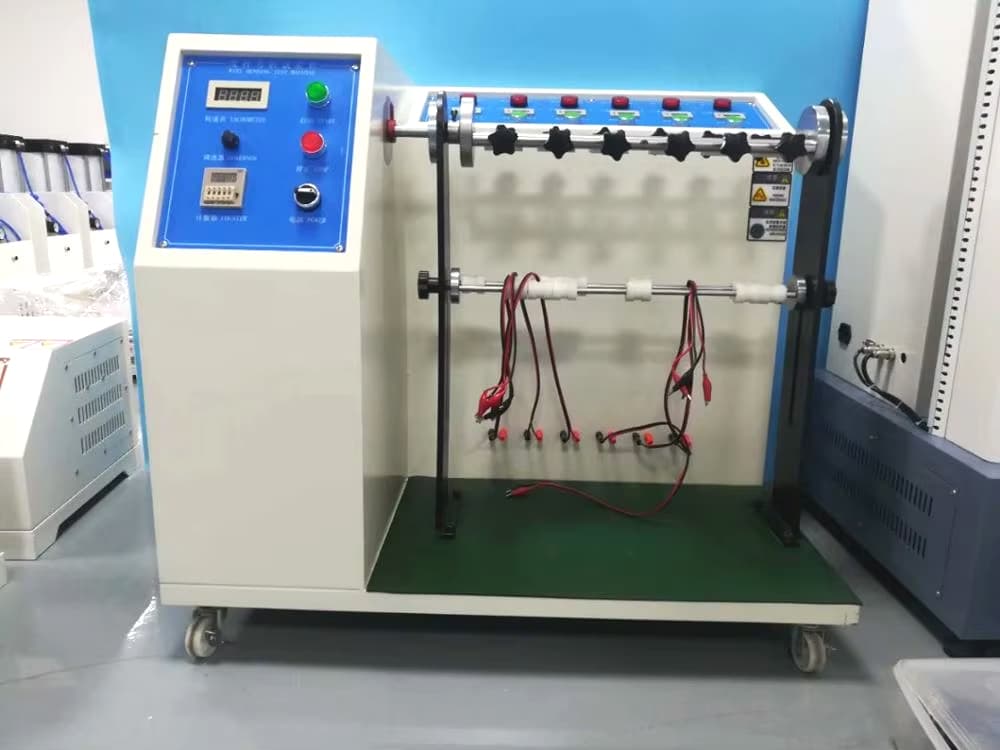
Extensive testing is performed to ensure that ultra flexible wire and cables can withstand motion. One important test is the bending radius test, that is to bend the wire repeatedly to its minimal radius. Only high quality flex cables can withstand millions of cycles without any internal damage from these tests. Drag-chain cables are also subjected to high-speed flexing to simulate cable-carrier movement.

Bending radius test

Bending radius test

Bending radius is an important cable specification. Cables are bent back and forth at their rated bend radius to simulate the service life. For high-flex applications LAPP for example recommends a bend radius of at least 5-10 times the outer diameter of the cable. Testing samples are flexed millions of times at this radius. In general, to pass a cable you need to have cycled it 1,000,000+ times. A good cable (short lay length, core wrapping and fine stranding) should pass these tests without any damage to the conductors or jacket. Check the reliability of the Minimum Bend Radius. Bending the cable beyond the rated bend radius will damage the insulation and fatigue the conductor.

Drag chain capability 10m/s

Drag chain capability 10m/s

Cable-carrier systems are heavily loaded with high acceleration and speed. The modern automation systems require accelerations of the drag chain cables (up to 50 m/s2) and high linear speeds (usually up to 10 m/s). In the circumstances, chain cables specially designed and tested are needed. With the correct bend radius, LAPP’s Extended Line chain cables can reach speeds of up to 10 m/s. In real life the wires are bent on a moving track at maximum predicted speed to avoid jamming or "corkscrewing". The construction and outer jackets are selected to maintain integrity under continuous dynamic stresses. The cable can be used at high machine speeds and transmits signals and power continuously without interruption as long as the drag-chain speed requirement is met.

Anti pull force

Anti pull force

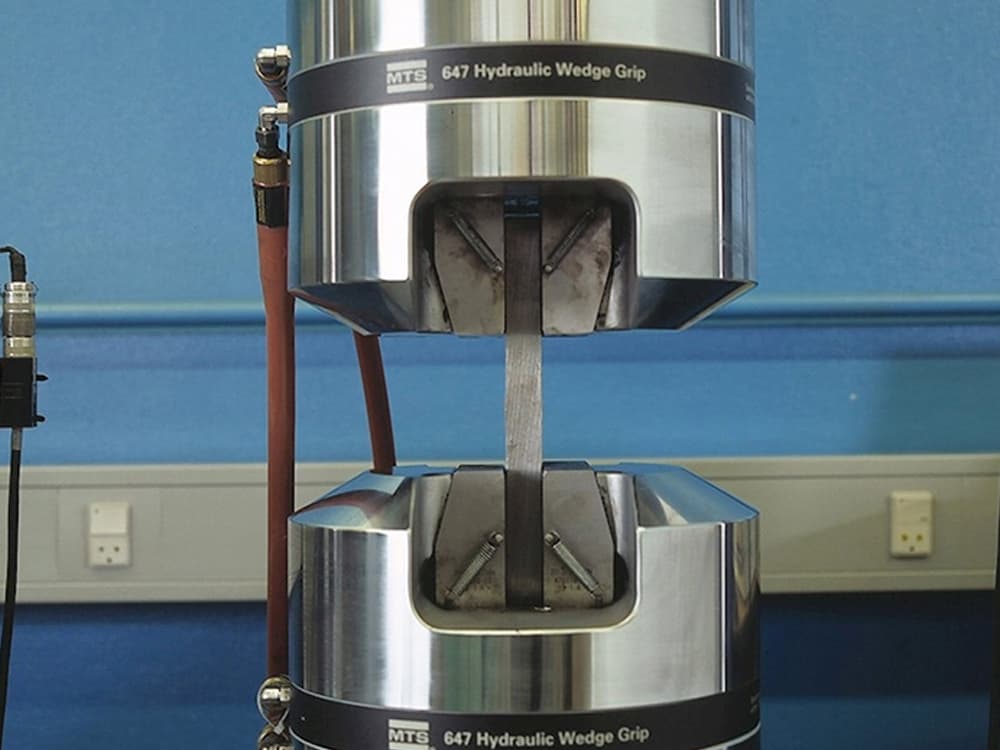
There are also flex cables that have to take on loads applied in longitudinal direction. The permissible strain for pulling wires in stationary installations is approximately 50 N/mm², and in mobile installations it is lower. According to manufacturers, this is the maximum tensile stress a cable assembly can withstand before breaking. For high flex chain cables the pull-out strength of the connection is generally the most important. Additional custom assemblies, for example, satisfy IEC connection test standards with pull-out pressures above 200 N. You can add reinforcements like aramid yarn inside to increase the tensile strength. In the factory it is common practice to pull or strain test the assembly to make sure the strain relief and core bonds in an assembly will hold during unexpected tugs or installation pulls.

Fillers for flex capability

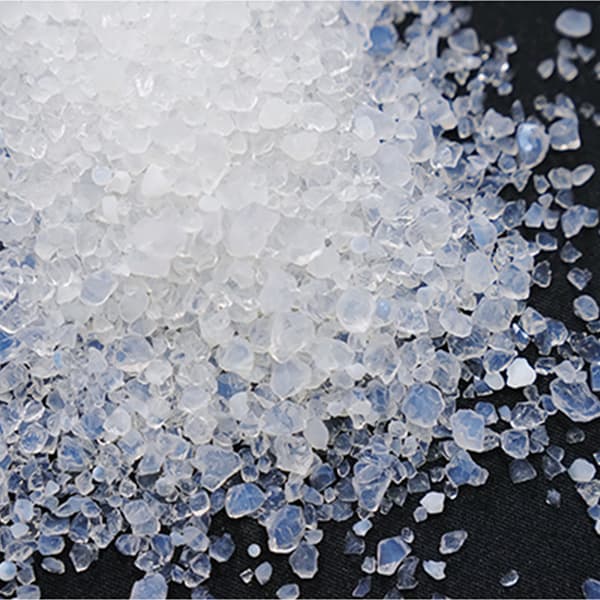
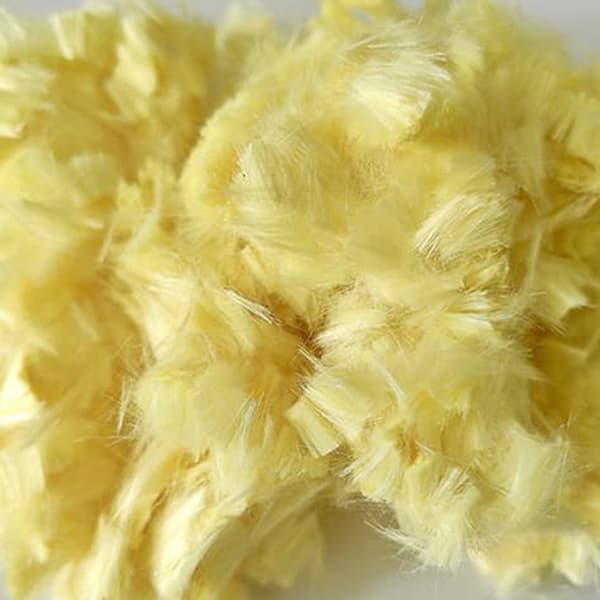
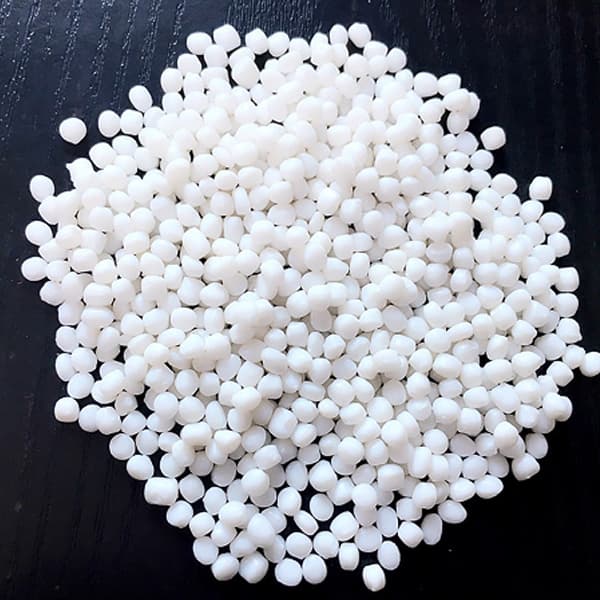
Manufacturers use fillers to improve the form, strength and water resistance of ultra flexible wire and cables. Mineral fillers (like silica or calcium carbonate) can be added to the core to make the cable a little more stiff and the conductor bundle more stable. For tensile reinforcement, aramid rope (Kevlar) is often used because of its great strength and heat resistance, it is capable of withstanding puling pressures without stretching. Insulation materials now contain nanofillers, such as nano-silica or carbon nanotubes, to enhance electrical or mechanical properties without adding bulk.

Mineral Filler

Mineral Filler

Aramid rope

Aramid rope

Nanofiller

Nanofiller

Water-blocking compound

Water-blocking compound

Mineral Filler

The desired stiffness and form can be achieved by the addition of mineral fillers, such as fine chalk or clay, to the cable insulation. They can help improve the polymer's fire retardant qualities and rip resistance. Ultra flexible wire and cables contain a small amount of mineral filler to prevent the core bundle from twisting too much. Heavy fillers reduce flexibility but are balanced in the formula. (The sources did not explain the specific use of mineral fillers in ultra-flex cables.)

Aramid rope

Ultra-flex cables are sometimes strengthened with aramid fibre rope (e.g. Kevlar) Aramid is a synthetic fibre that offers ultra-high strength, flexibility, abrasion resistance and thermal stability. Kevlar serves as a central filler strand which takes up tensile stresses and reduces the strain on the copper conductors. For example, the aramid fibre “is strong, flexible and resists abrasion”. It improves the heat-resistance of a cable core, says Meridian Cable. The strengthening allows the ultra flexible wire and cable to resist tugs or chain tension.

Nanofiller

Nanofillers are particles with a size of less than 100 nm and mixed with polymers in minute quantity. The use of nano-additives, such as silica or carbon nanotubes, can provide light and strong insulation for cables. You can use them to control the flow of materials and enhance the extrusion process. Nanofillers can add strength or flame-retardant properties to cables while keeping them flexible, but the specific formulas vary. No specific information on nanofillers in ultra-flex cables was found in the consulted sources.

Water-blocking compound

Some continuous-flex cables used in industrial environments will have embedded water-blocking components. Examples of such materials are gel-filled tape and superabsorbent yarn, both of which swell when wet. This chemical takes up space in the core, and if water tries to get in, it can't. This is more likely to happen to outdoor or underground wires. If the conductors of an energy chain are wet, a water-blocking filler can be filled in the conductors of an energy chain to provide a barrier to longitudinal water migration. (water-blocking is well-known, but no specific citation for it could be found in the provided sources.)

行业和应用

Industrial Automation and Robotics

Industrial Automation and Robotics

Ultra-flexible cables are a must-have for robot arms and automated factories. It can be used for multi-axis pick-and-place systems, assembly robots and computer numerical control machine tools. These cables transmit power and messages through movable joints and energy chains, allowing reliable motion even when constantly bent.

Medical and Laboratory Equipment

Medical and Laboratory Equipment

Cables move repeatedly and precisely in confined spaces for surgical robots, imaging scanners, and lab automation. Ultra flexible wire and cables mean bedside monitors and scanners can now be smaller. They can be stretched time after time and still meet the exacting performance and cleanliness requirements of the medical industry.

Renewable Energy and Utilities

Renewable Energy and Utilities

Renewable energy and utilities often use flex or retractable cables for wind turbine nacelles, solar trackers and smart grid gear. For example, the flexible wires in wind turbine cable kits are capable of continuous rotation. Wind power and other renewable energy sources are used in the custom flexible wires of HEW-Kabel. These wires can resist vibration, temperature variations and a long cycle life.

Transportation and Machinery

Transportation and Machinery

Ultra flexible wire and cables are widely used in the transportation and machinery to move the vehicles and handle equipment. Electric vehicles, cranes, conveyor lines and car production use ultra-flex cables. They resist wear and tear. They transmit power and data between moving parts (e.g. , reeling mechanisms or sliding rails). They are also used in the aircraft and rail industries especially where dynamic connections are required in confined spaces.

Optimized for Energy Chain Systems

Energy chain systems need small and constantly bending cables. LAPP produces drag chain cables especially for very small diameters with ultra-fine conductors. With these designs, the wire can bend in radii 5-10 times the diameter of the wire. They also reduce weight by demanding that the cable carrier support most of the cable during rapid acceleration and deceleration cycles. For this, chain cables with multiple conductors may use only twenty-five cores and very short stranding lay lengths. Jackets made of abrasion-resistant PUR or similar material are preferred for drag-chain service. This means the cable can be flexed continuously without any damage by abrasion or grease. In short, energy chain cables are constructed for long-term, maintenance-free use with tight-radius flexibility, thin jackets and light weight construction.

Lightweight Ultra Flexible Cable

Ultra-Light Conductors

Ultra-Light Conductors

Some designs substitute copper with aluminium alloys or flat-foil conductors to reduce bulk. This still manages to transfer the necessary current while reducing the inertia of moving machinery. LAPP says drag-chain cables need to be lightweight so the chain can easily accelerate and decelerate the cable harness.

Thin, Durable Jackets

Thin, Durable Jackets

Modern, halogen-free PUR or TPE sheaths, for example, are designed to be as thin as possible, but still offer optimum protection. This reduces the weight without reducing the resistance to grease and abrasion. One way to save grams per metre is to use halogen-free compounds, which generally allow thinner walls than earlier PVC.

Hollow or Foamed Cores

Hollow or Foamed Cores

The power cores or fillers can be any of these materials to make the flexible cables lighter. One way to make the wire lighter without losing bending performance is to use extruded foam conductors or insulating fillers that contain air.

Hybrid and Composite Cables

Hybrid and Composite Cables

Combining power, signal and even pneumatic/hydraulic lines into one sheath reduces the number and weight of ultra flexible wire and cables. The optimised core layouts provide the integrated designs with flexibility and lightness. Such designs are often custom built.

Customized for Industrial Equipment

Tailored Conductor Stranding

In order to achieve the necessary flexibility and present capacity, we provide the conductors with special stranding patterns. For example, you can use Class 6 extra-fine wire, spiral cores, or cobweb cores. Each ultra flexible wire and cable is designed to the motion profile of the application.

Special Insulation and Jacketing

Silicones are best suited for high temperature applications, thermoplastic elastomers (TPE) are suitable for outdoor environments and polyurethane (PUR) is suitable for locations where oil is present. Custom compounds can be specified, e.g. LSZH or halogen free.

Customized for Industrial Equipment

Precision Assembly

We can professionally assemble cables into install ready harnesses. We have ripcords, overmolded connections, markers of varying colours and numbers, and markers of custom lengths. Strain reliefs and armour braids can be added to keep the cable in shape and reliable when it is moved.

Performance Testing

Custom cables are flexed and pulled to ensure they meet the customer’s performance requirements. We can simulate custom motion profiles or drag chain cycles. The test results can be used to verify that the cable meets the required cycle life or speed ratings.

Connector and Shielding Options

If you need low-inductance power cables or ultra-flex signal cables with full shielding (coax, data), we can integrate braided shields and connectors (M12, USB, etc.) into the design to meet your needs. We also service unique orders like subminiature coax for robotic end-effectors, and ribbon cable assembly.

客户评价

★★★★★

The ultra flexible cable I ordered from QL-Custom has been perfect for our robot arm. It bends in every direction without hesitation and hasn’t failed after months of constant use.

约翰-史密斯

约翰-史密斯

★★★★★

Great quality and extremely flexible. This wire really holds up under high-speed motion. We replaced our old cable with this and saw zero downtime.

Maria Gonzalez

Maria Gonzalez

★★★★★

I needed a custom flexible coaxial cable for an antenna array. QL made exactly what we needed. The cable is compact and bends easily. I am very happy with the service.

李伟

李伟

★★★★★

Fantastic product. The cable is super supple yet durable. It even survived being caught in the chain a few times without damage. Highly recommended for any continuous-flex application.

艾哈迈德-汗

艾哈迈德-汗

★★★★★

Excellent custom service. I described my motion profile and length, and QL-Custom delivered a cable that fits perfectly. The cable is ultra-flexible and well-made.

Nikki Anderson

Nikki Anderson

★★★★★

I ordered ultra flexible ribbon cable and it works great in our PCB connections. The bending is seamless, and the connector molding is sturdy. Very satisfied!

Peter Dent

Peter Dent

Best Brand for Authentic Ultra Flexible Wire and Cable

Best Brand for Authentic Ultra Flexible Wire and Cable

QL-specialty Technology Ltd is ISO 9001:2015 certified. The company specialises in custom cable assemblies. They have been doing this for decades and have quality control and great customer service as their top priorities. Ultra-flex cable solutions showing world-class prowess The business has supplied 312+ US/EU clients so far. When you need ultra flexible wire and cable, turn to QL-Custom. They prioritise quality and long-term durability in all their actions, from the selection of high-quality materials to detailed testing. Their expert engineering team custom-makes each cable to meet the specific motion and environmental requirements of its intended use while maintaining open lines of communications throughout the process.