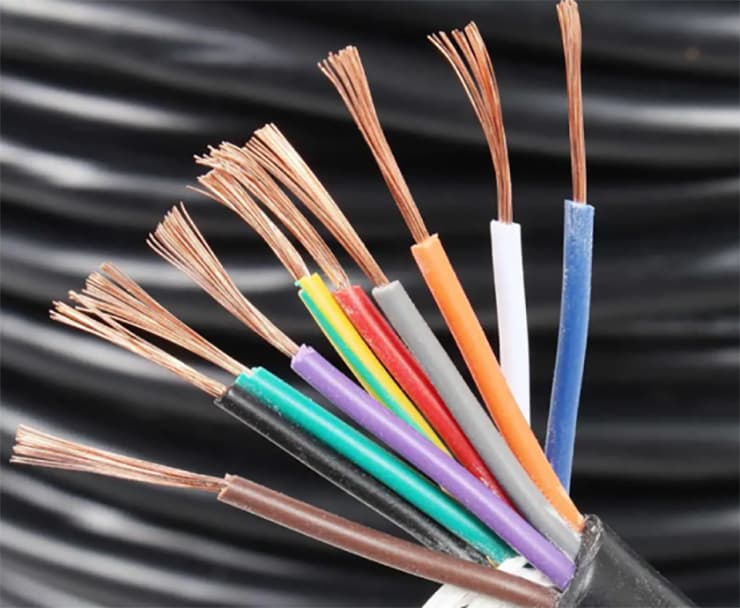
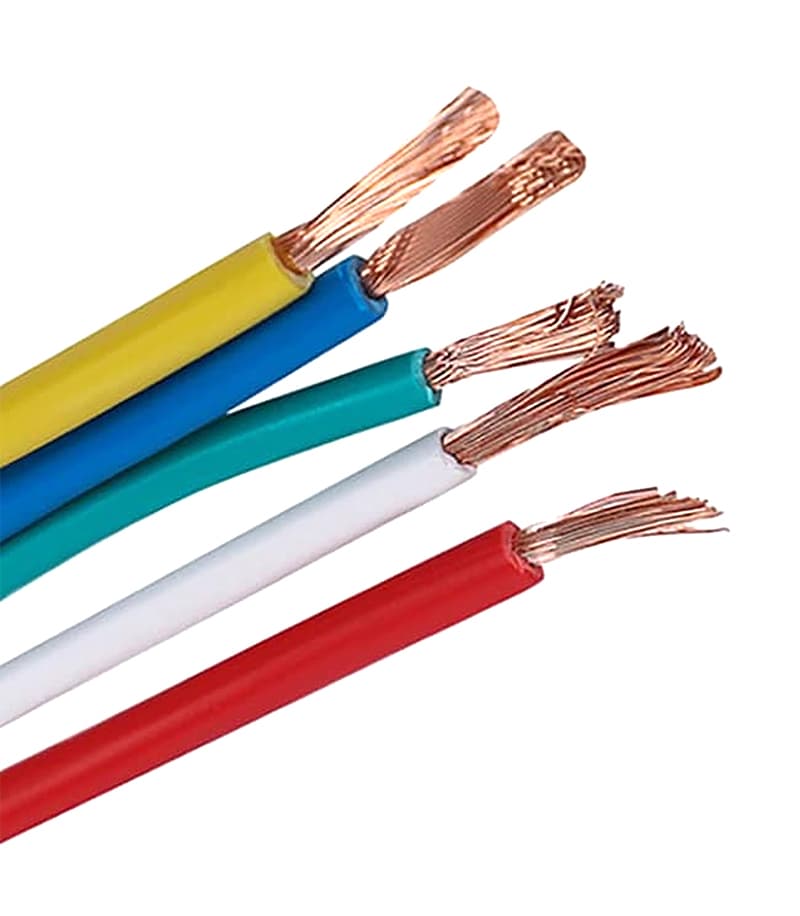
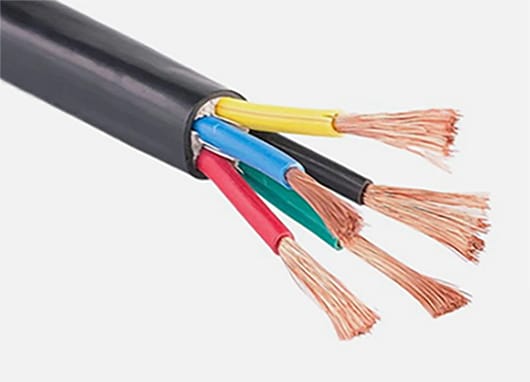
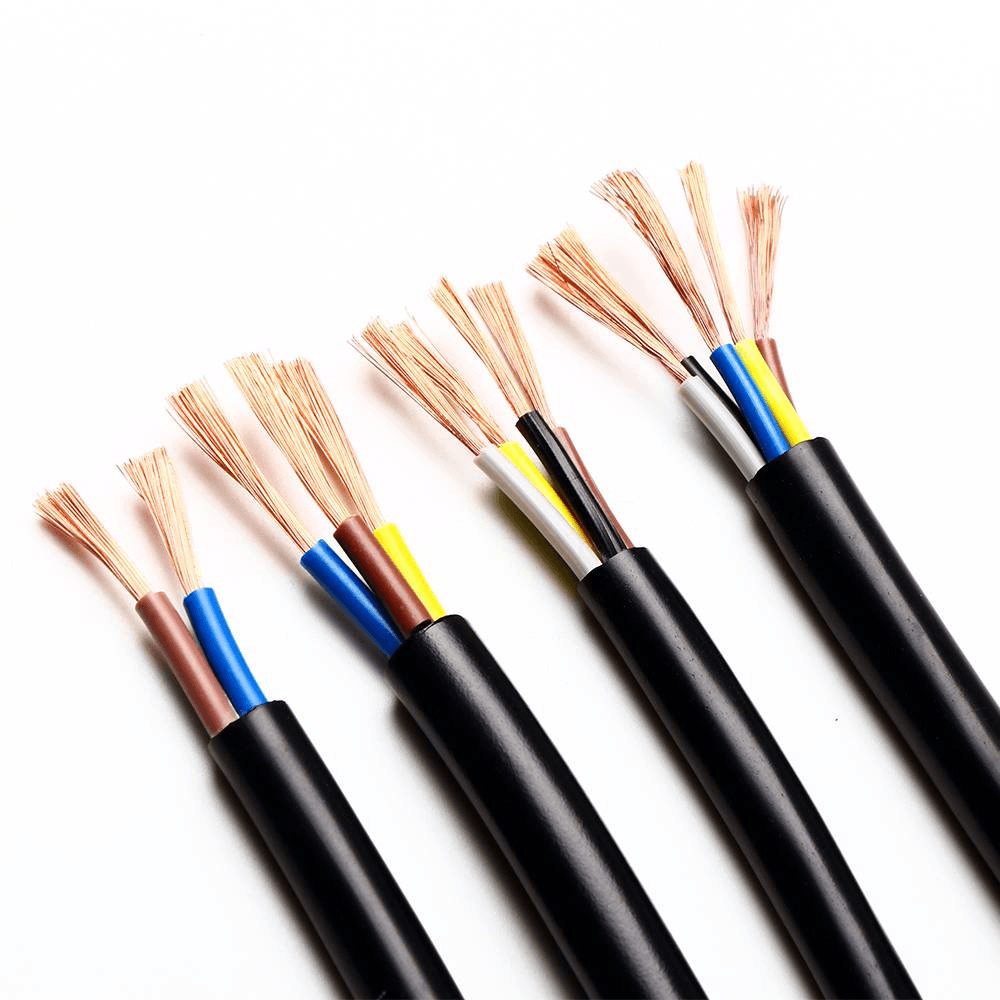
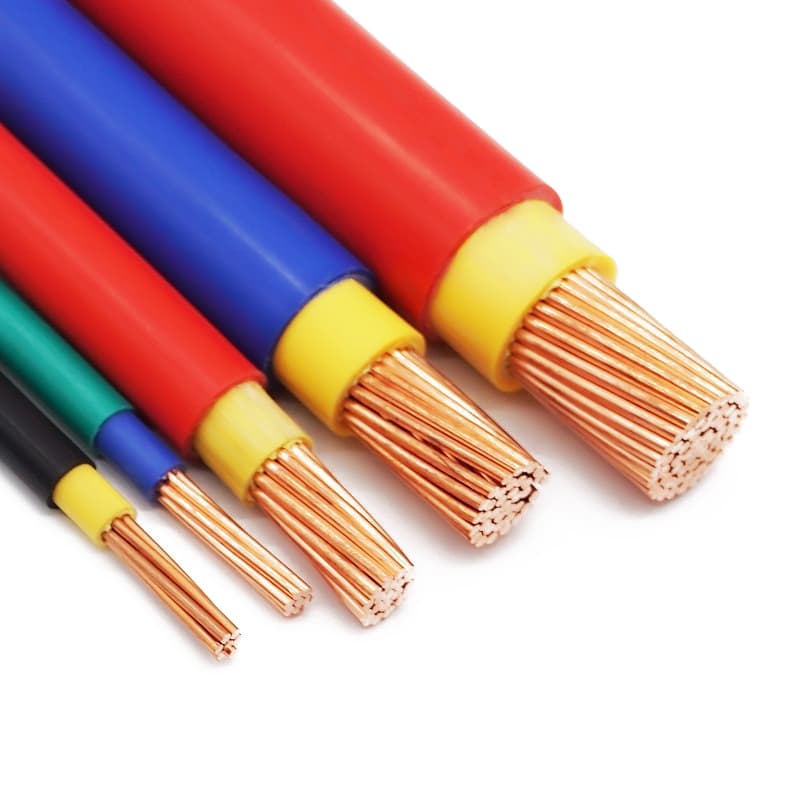
A cable is a part that can carry an electric current. It is
made up of one or more insulated conductors. The most common
types of conductors are wires, made of metals such as copper
or aluminium. A single special conductor wire is a single
core of metal, either solid or stranded. A multi-core
assembly is several insulated wires. Whether it’s a simple
power cord or a more complex harness, these cables
distribute power or signals between different devices.
Conductors may be plated with metals such as tin or silver,
or left bare to improve solderability or corrosion
resistance. We offer 2 wire conductor, single wire and multi
conductor cable assemblies. The material and cross-section
of each conductor is chosen depending on the voltage,
current and flexibility requirements.
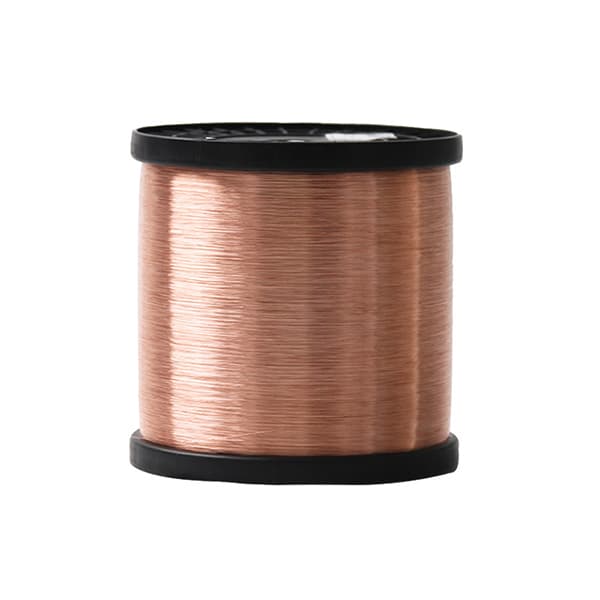
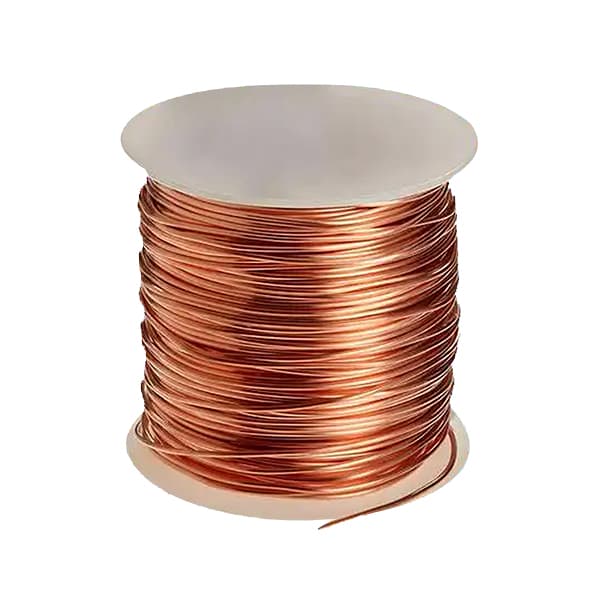
Copper has a stellar reputation as being a great
conductor of electricity . Uncoated copper
wires, sometimes called “bare copper
conductors,” have very little resistance as they
carry electricity. Their malleability depends on
whether they are solid or stranded. Bare copper
is highly conductive and durable, making it
ideal for power transmission, grounding systems,
and interior wiring. Bare copper is used in
telecom and overhead power cables to minimize
power loss over long distances. Copper special
conductor wire is the material of choice when
high performance is needed at a reasonable price
because it is ductile and inexpensive.
Rame stagnato
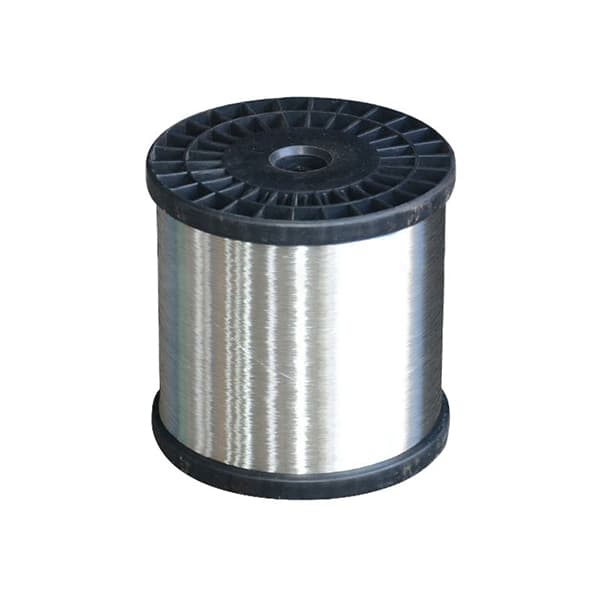
Copper conductors are tin plated with a thin
coating of tin. The tin coating is a passivation
layer for oxidation and corrosion resistance.
That makes it ideal for use in wet or chemically
laden industrial, marine and automotive
environments. Tin plating provides enhanced
solderability and durability, while maintaining
the fine conductivity of copper. Tin plated
copper is often used in marine grade or auto
wiring to prevent corrosion and provide reliable
connections over time . The tin coating keeps
the wire bright and conductive under extreme
environments and prolongs its life.
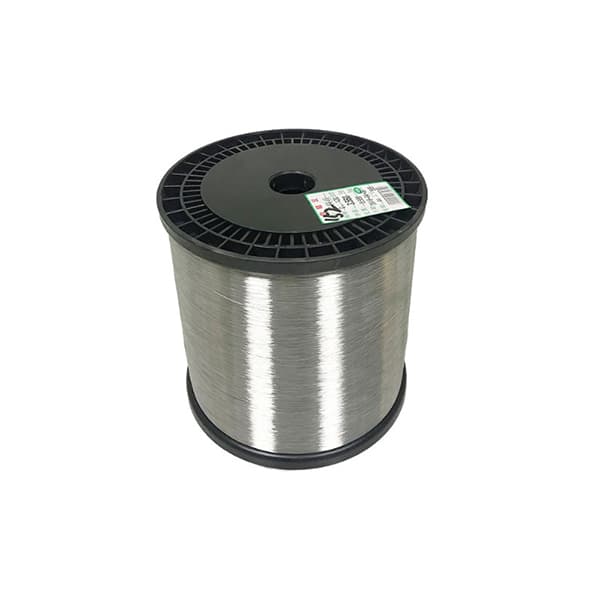
Silver plated copper
Silver-plated copper is made by coating a copper
core with a thin layer of silver. This is due to
the skin effect, which is very prominent at high
frequencies. Silver is even more conductive than
copper, so the total resistance is reduced.
Silver plating is chemically inert and has good
resistance to corrosion. This means it remains
bright and conductive even in oxidising
atmospheres. This makes copper conductor wire
silver plated ideal for aerospace, military and
high reliability electronic applications. The
silver coating improves solderability and
weldability. Silver-plated copper wires provide
the conductivity of silver and the natural
strength of copper, and are an expensive but
worthy investment.
Much more conductors part with us while you purchase wire
Iron conductor
Pure iron is not often employed for general power wiring
because its electrical resistance is considerably higher
than that of copper. However, various industrial sensors
do contain iron conductors. For example, the positive
leg is iron for a Type J thermocouple, which is mated
with standard constantan alloy. In such precision
thermometers the iron gives a stable and steady voltage
output. Except thermocouples, iron is most commonly used
in iron based alloys or steel core cables when it comes
to mechanical strength, not electrical performance.
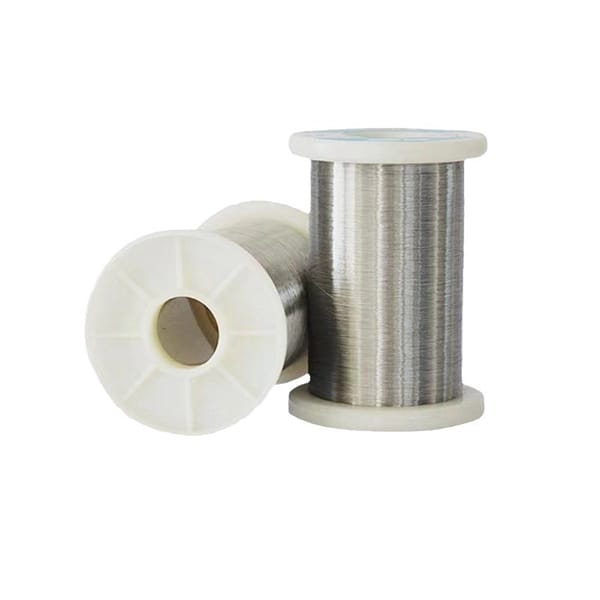
Platinum
The platinum special conductor wire is an excellent
conductor for use at very high temperatures. Based on
this principle there are type S , R and B thermocouples
. Platinum conductors do not need insulation in service
up to approximately 1600°C. It has excellent thermal
stability and inertness and can be used naked even in
oxidising atmospheres. Platinum wires are the material
of choice for applications requiring absolute accuracy
such as glass furnaces or high end instruments. Platinum
is very expensive and is only used in very specialised
scientific and industrial machinery.
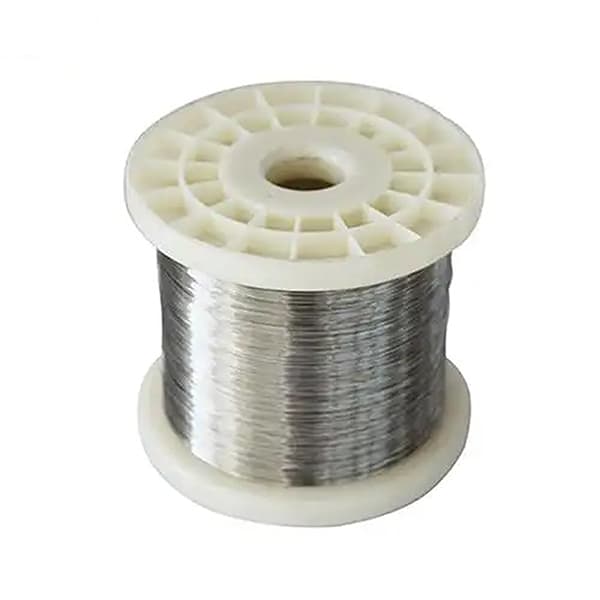
Nickel plated copper
Nickel-plated copper wire is produced by electroplating
thin nickel onto copper. The nickel coating greatly
increases hardness and corrosion resistance. Nickel
exposed to air forms an oxide layer preventing copper
oxidation. It also improves the wire’s hardness and wear
resistance, making it ideal for frequent flexing and
insertion. Nickel-Plated Copper is widely used in
connectors, interconnects and industrial machinery for
durability and dependability. Although nickel enhances
material toughness, underlying copper retains excellent
conductivity.
Alumel / Ni-Al
Alumel is a special alloy composed of approximately 95%
nickel, 2% aluminium and a few other minor additives.
It's an alloy for thermocouples, not a general purpose
power conductor. The negative element in Type K
(Chromel-Alumel) thermocouples is alumel. The reasons
for its selection were its uniform electrical
characteristics and repeatability of temperature
readings. So, alumel cables are intended for
instrumentation, not ordinary wiring.
Chromel / Ni-Cr
Chromium is a high nickel content alloy (approx 90% Ni
and 10% Cr). Same as Alumel, with intended use as
thermocouples. The positive leg of thermocouples of the
Chromel-Alumel ( Type K ) and Chromel-Copel ( Type E )
varieties is chromel in particular . This
nickel-chromium alloy has resistance to corrosion at
high temperatures and a high thermoelectric output.
These wires are used widely in scientific apparatus,
furnaces and aircraft engines for accurate readings at
high temperatures.
Costantana
Much attention has been paid to copper-nickel alloy
"constantan" (55% Cu, 45% Ni) for its nearly constant
electrical resistance over a wide temperature range.
This makes it suitable for high-accuracy strain gauges
and temperature sensors. Constantan serves as the
negative leg of Iron-Constantan (Type J) or
Copper-Constantan (Type T) thermocouples. It is also
used for heating elements and precision resistors due to
stable resistivity and good durability.
Cable Conductor configuration
The two most common types of cable conductors are solid and
stranded. Class 1 solid conductors are small, cheap and stiff,
having a single solid metal core. Stranded conductors, on the
other hand, bunch together several wires. Class 2 rigid stranded
has a small number of larger strands for moderate flexibility,
while Class 5 fine stranded and Class 6 extra-fine stranded have
many tiny strands for considerable flexibility. A permanent
installation that uses solid cores is household wiring. On the
other hand, cables that are flexible, mobile or space limited
are usually constructed with stranded conductors, especially
Class 5/6. The configuration that is selected influences the
bend radius, the durability, and the cost. When it comes to
static electricity, solid conductors are typically the way to
go. Also versions of stranded machinery and harnesses which must
be flexed repeatedly.
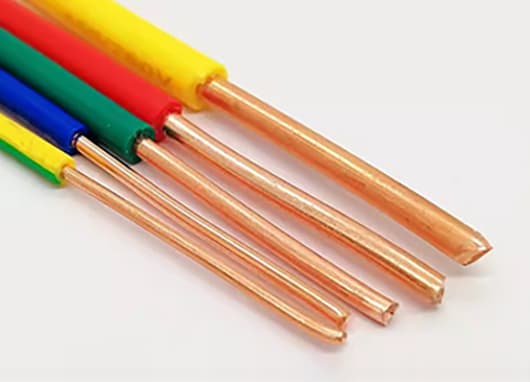
Solid
Solid conductors (IEC Class 1) are single-piece metal wires.
They excel at stationary wiring, such as in buildings. A
solid special conductor costs less, occupies less space than
same-gauge stranded wire, and carries equal current. Solid
copper wire cross-section normally ranges 0.5 to 16 mm². Its
rigidity and steady conductivity make termination (screw
terminals etc.) easy. It stays stable under compression.
Repeated bending is unsafe. Solid conductors suit only
fixed, non-flexible applications like set runs or straight
sections.
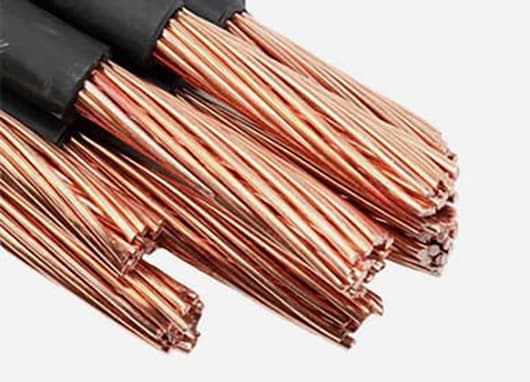
Class 5/6 Strands
These conductors, made up of several very fine strands, are
naturally very flexible. The extra flexibility of Class 5 is
achieved by using relatively fine strands. Class 6
(extra-flexible) features ultra-thin and tightly packed
strands for unmatched mobility and resilience. These cables
are widely used in robots, cable harnesses and other
constantly moving equipment. Ultra-fine strands are used for
metal fatigue resistance and narrow bend radii. Class 5/6
wire lasts much longer in typical dynamic applications but
costs more.
Class 2 multiple Strands
Strands of medium thickness, tightly twisted. Class 2
conductors. They are medium flexible, between Class 5 flex
cables and the flexibility of a single solid core. Class 2
wire is ideal for applications where a little pliability is
a good thing, such as motor leads, panels, and household
appliances. For distributing large quantities of electricity
these conductors can be as large as 1200 mm². Class 2 is a
happy medium. It can take the occasional bend without
breaking and is easier to insert into terminals than very
small wires.
Industrial robotics and automation need wiring machines
and factories with custom conductor wires. This means
having strong insulated wires that can bend to
accommodate the many moving parts of automation systems.
Robot harnesses could be simplified with hybrid
power/signal cables. Class 5/6 flexible conductors can
handle constant motion.
Automotive & Transportation
The automotive and transportation industries require the
best quality wire harnesses for their vehicles.
Specialised wires used in engine, sensor and battery
systems. The wires are plated with tin or nickel to
resist corrosion under the conditions of the road.
Multi-conductor cable assemblies share signal and power
lines between engines and electric vehicle battery
packs.
Medical & Instrumentation
Conductors in cable assemblies are either pure copper or
speciality alloys, and they’re used in medical devices
and test equipment. Insulated conductor wire cables are
used to carry signals and power to/from devices and
diagnostic equipment. The insulation is often PTFE or
silicone. Careful pairing and shielding are required for
the protection of delicate devices from electromagnetic
interference.
Aerospace, Defense & Clean Energy
Lightweight and reliable aircraft and satellite wiring
is a premium in the aerospace, defence and clean energy
sectors. Bulk is reduced by sparse insulation and high
strength aluminium conductors. When weight is critical,
advanced cables may include fibre optics or carbon-fiber
shields. Sensors and wire of platinum, silver and nickel
alloys have to withstand harsh environments such as jet
engines and space.
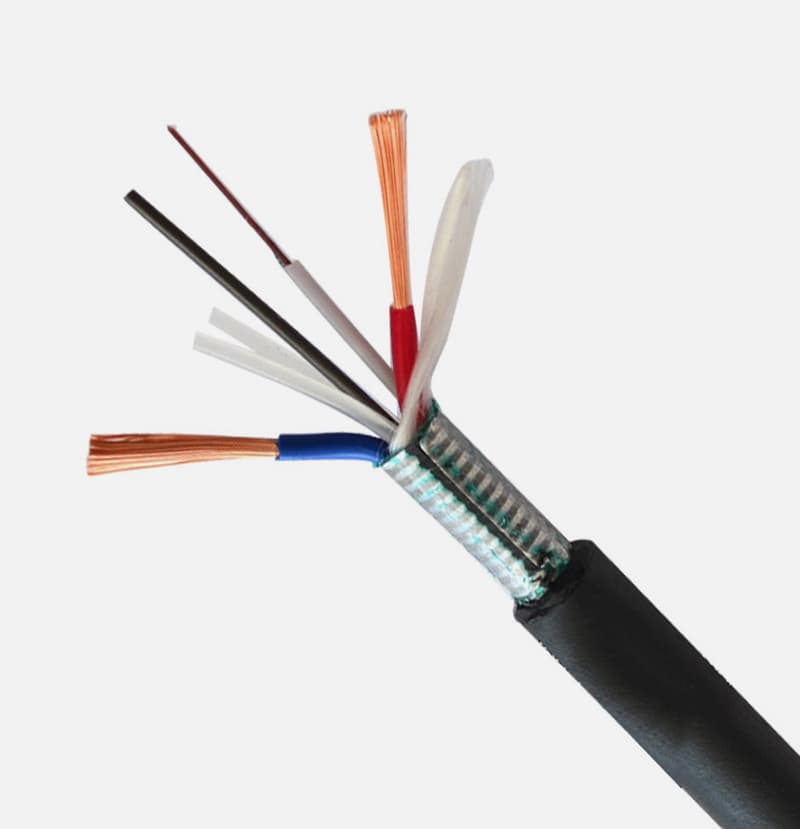
Hybrid Power & Data Conductor
Integrated Solutions
Power, signal, and data can be all run on one cable
simplifying the systems. Hybrid cables have
conductors and fibre together, instead of separate
lines for each, which reduces installation
complexity and the number of connections.
Space & Weight Savings
Hybrid cables reduce harness bulk, saving space and
weight in compact automation and robots. They
combine low-voltage control or fibre channels and
high-current lines (for motors) in a single jacket,
making routing easier.
Cross-Talk Prevention
High-power conductors are carefully designed and
shielded to keep data cables free of interference.
Performance reliability is achieved by optimising
conductor positioning and shielding, testing
connectors and prototypes.
Multi-function Assemblies
Fiber/copper combos for instruments, power/signal cables
for robot axes, etc. Based on your equipment
specifications we can build a unique hybrid harness
combining power and data or fibre.
Enhanced Reliability
Fully integrated cabling improves environmental
ruggedness and reduces the potential for failure points.
Combination designs reduce wiring errors and increase
long-term endurance.
Today’s automation is looking for lighter, nimbler cable
solutions. Aluminium special conductor wires are only about
a third as dense as copper so you can save a lot of weight
on the cable. Recent advances have also employed carbon
nanotube (CNT) composites. CNT fibres-based conductors have
a density around 6 times less than that of copper, but they
still are conductive. Designers opt for narrower
cross-sections, flatter ribbons or braided foils to reduce
weight without compromising performance. Lightweight cables
also reduce the inertia of robot arms and other machines,
which improves speed and energy efficiency. Insulation and
shielding are, however, still quite effective. For example,
CNT based shields are 95% lighter than copper shields. In
general, by combining new materials with lighter metals,
automation cables can be designed to meet standards for
current-carrying and durability and be as light as possible.
Various materials and platings are offered, such as bare
copper, nickel, aluminium and special conductor wire
types like tin, silver or nickel plating. Careful
consideration is given to the solderability, corrosion
resistance and electrical conductivity of each coating
or alloy.
Stranding & Shape
Wires can be solid, stranded, fine-stranded (Class 5/6)
or litz, depending on the flexibility you need.
Specialised busbars or limited spaces can be adapted
with custom geometries like braided or flat ribbon.
Integrated Assembly
OEM-appropriate wires are either overmolded or
pre-terminated. We build the jackets, labels, shields,
and braiding to your specifications. Our ISO-certified
plant has automated stripping and crimping processes
that protect our conductors from damage.
Precision & Certification
All custom wire is made to ISO 9001 procedures. We test
all electrical and mechanical functions to your
standards to ensure performance is consistent and
reliable.
Engineering Support
Our engineering staff are there to help you optimise the
size and layout of the conductor wires from the first
concept to the final prototype. We can provide
quick-turn samples to test performance prior to
production.
QL-Custom’s special conductor wires performed flawlessly
in our robotics application. The custom multi-strand
cable is extremely flexible yet durable. Excellent
conductivity and very robust in demanding conditions.
Emily Zhang
★★★★★
We needed a custom tin-plated copper wire for our marine
sensors. QL-Custom delivered high-quality conductors
right on spec. The corrosion resistance is outstanding
and installation was easy.
Michael Torres
★★★★★
Highly professional team! They helped select the right
copper conductor wire and plating for our project. The
final cable assembly was built to ISO standards and
works perfectly in our prototype machinery.
Jenny River
★★★★★
Fast turnaround and great support. QL provided a custom
hybrid power/data cable that saved space on our
automation line. The wire harnesses are well-made and
passed all our electrical tests.
Carlos Gomez
Ideal Brand for Premium Quality Cables
QL-specialty Custom Technology Ltd. is an established
company that has been certified to ISO 9001:2015 and is an
expert in custom cable and wire solutions. We have 300+
global clients from diverse industries, including
electronics, automotive, robotics, healthcare and renewable
energy. We handle everything from the initial concept to the
final assembly at our facility. This includes design,
prototyping, precision drawing/stranding, etc.” When you
partner with QL-Custom, you will experience world-class
conductor wire technologies and quality assurance. Our
engineers will review your special conductor wire types and
sizes to ensure they satisfy all your performance needs and
all of the major industry standards. If you’re seeking
high-performance conductor wires that can reliably power
your application, QL-Custom is the ideal brand.