端末の種類と形状
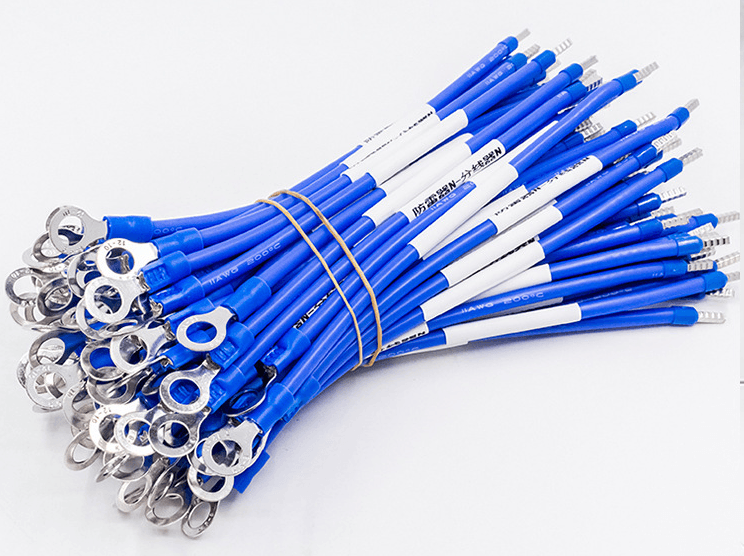
端子(コンタクト)の形状とスタイル リール端子とルースピース端子とは?リール端子とルースピース端子 図1にルースピース端子とストリップメス圧着端子を示す。どちらも圧着端子です。ルースピース端子は、安定性と信頼性を優先し、1つのインターフェイスポイントに接続します。ストリップ端子は、圧着効率を重視し、複数の接続用に直列またはリール状になっている。どちらも機械的な圧着を使用し、ワイヤー導体を端子内で固定し、安全で安定した電気接続を実現します。圧着には、特定のワイヤーサイズとストリップ長さが必要です。適切な圧着高さと端子内のワイヤー配置が重要です。ルースピース端子は20-24AWGのワイヤーに適合し、ストリップ端子は14-18AWGに適合する。どちらも、自動車、コネクター、ワイヤーハーネスの用途で使用される。 図2は、リング端子、スペード端子、U字端子、ピン端子、フェルール端子、ブレード端子など、さまざまな端子を示している。これらは、絶縁付きと絶縁なしがある。これらは、圧着器やハンマーのような工具を使用して、挿入と圧着、またははんだ付けと圧着によって接続される。適用されるワイヤーゲージは、端子サイズによって異なる。自動車、航空宇宙、産業用電子機器に使用される。ブラインド圧着端子 ブラインド圧着端子とは?ブラインド圧着端子は、端子の位置が見えない圧着端子で、ホースの圧着位置のことで、ホースの中に電線の絶縁体を挿入しながら、タブを位置決めし、圧着する必要があります。電気接続に一般的に使用される金属製コネクターです。一般的にアルミニウムまたは銅製で、絶縁ブーツが付属していることが多く、圧着またははんだ付けによって電線や導線を接続し、電流や信号の伝送を可能にします。これらの端子は、絶縁または非絶縁(裸)バージョンとして利用可能で、さまざまな定格電流とアプリケーションに対応しています。端子タイプの選択は、アプリケーションの特定のニーズと使用環境によって異なります。ブラインド圧着端子は、取り付けが簡単で信頼性の高い性能を備えているため、広く...
続きを読む "円形および長方形のコネクターのタイプ、使用、シリーズ、価格
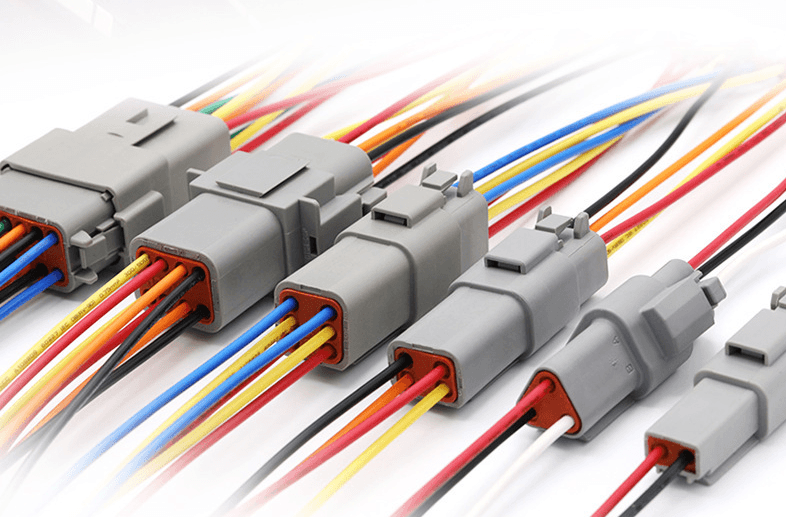
Circular and Rectangular Connector types, use, series,price What are the different shapes of connectors ? Circular connectors Circular connectors are mostly used for power transmission, but they are also used for signal transmission. Typical circular connectors are M5 M8 M12 M16, M23, D38999 MS5015, etc. This is a circular connectors, also known as a circular M12 connectors. The specific model is an M12 4-pin (TE T4171010004-001). Constructed with a metal shell and pins, and featuring a rubber seal, it utilizes an M12 thread. This connectors is designed for waterproof and shockproof applications. The threaded connection ensures robustness and reliability. Suitable for 22AWG, 4-core wire, it's frequently used in industrial machinery and equipment. Recotangle Connectors Figure 2 depicts a pin header connectors, also known as a male header or simply a header. Made of metal or plastic, it consists of two parts: the socket and the pins. These connectors, with their array of metal pins, are commonly found on PCBs or electronic components. Used for power supply, connection, and information transmission in electronic devices, they are typically operated via insertion and removal, primarily in computers, mobile phones, and other electronic devices. Here displays a D-sub connector, recognized by its characteristic D-shaped metal shell, which houses pins and provides the interface for mating plugs and sockets. D-sub connectors come in various sizes, commonly including 9P, 15P, 35P, and 37P. The appropriate size is chosen based on the product's specific needs. They are easy to install, usually by plugging or screwing them in, and are commonly used in computers, printers, and Ethernet applications. D-sub connectors are available in a variety of sizes, commonly including 9P, 15P, 35P, and 37P. The appropriate size is chosen based on the product's specific needs. They are easy to install. D-Sub rectangular socket...
続きを読む "モレックスコネクターシリーズ、種類、価格

モレックスコネクターの紹介 モレックスとは? モレックスは、1938年に米国で設立され、現在では世界的に有名な電子部品会社である。多くの分野をカバーする電子コネクター、ケーブル、光ファイバー、アンテナ、電源などの生産と提供に専念している。モレックスのコネクターの特徴と用途 モレックスは、高品質な製品と革新的な能力で知られている。10万種類以上の製品があり、通信、家電、自動車、医療などの分野で広く使用されている。モレックスコネクターの種類 公式な説明によると、モレックスコネクターにはおよそ次の10種類がある。 バックプレーンコネクター:従来の構成と垂直直交構成により、さまざまな柔軟な設計が可能になるとともに、高帯域幅アプリケーションで優れたインピーダンス制御と高性能、高密度、高データレートを提供する。 基板対基板コネクター:限られた配線スペースでの小型接続、ハイパワー接続、高速・高密度接続など、このタイプのコネクターで適切なソリューションが見つかり、PCB配線の簡素化、カードスロットスペースの最大化、さらに効率的なデータ転送効率を実現します。 サイドカードコネクター:高速パラレルボードプラグ、サイドカードまたはケーブルに差し込むことができ、スペースを最大限に節約できるシンプルで小型の堅牢なソケット設計です。 FFC/FPCコネクター:モレックスのこれらのコネクターは、フロントフリップ、バックフリップ、非ZIF、スライダー、フレキシブルラッチ、ワンクリックなどのさまざまなドライバー設計で利用でき、マルチピッチ設計や回路サイズと組み合わせることで、設計の柔軟性が高く、信頼性が高く、堅牢で使いやすいコネクターソリューションをお客様に提供します。 頑丈な長方形コネクター:これらのコネクターは、主に産業用ロボット、機械装置、輸送、発電、産業用制御装置などの堅牢なアプリケーションで使用されます。 I/Oコネクター:
続きを読む "JAEコネクタシリーズ、種類、用途、価格

JAE コネクタシリーズ、種類、用途、価格 JAEとは?JAEとは、日本航空電子工業株式会社のことです。日本航空電子工業株式会社(Japan Aviation Electronics Industry Ltd.)の略称です。 JAE コネクタの特長と用途 JAE コネクタは、自動車、航空、スマートフォン、その他小型機器など、非常に幅広い業界に浸透しています。特に自動車、航空分野では、高密度、高信頼性、耐水性、耐塵性などが高く評価されています。 JAE コネクタの種類 JAE コネクタの種類は、公式発表によると以下の 10 種類に大別される:外部インターフェイスコネクタ:異なるデバイスやシステム間の接続に使用され、顧客のニーズに応じて様々な規格に対応できる。基板対基板コネクタ:プリント基板の接続に使用される。スタックハイト、極数、コンタクト間隔など、お客様のご要望に応じて設計いたします。基板対基板FPC/FFCコネクタ:PCBとFPCまたはFFC間の接続に使用されます。また、従来の基板対基板コネクタと同様に、製品の要求に応じて、スタックハイト、極数、コンタクト間隔をさまざまに設計することができます。基板対電線コネクタ:PCBとケーブル間の接続に使用される。丸型コネクター:このタイプのコネクターは通常、非常に密閉性が高い。角型コネクター:このタイプのコネクタは、多ピン接続設計で使用されることが多く、配線スペースを効率的に使用して伝送効率を向上させることができる。光ファイバコネクタ:高速、高帯域幅のデータ伝送および通信に使用される。この種のアプリケーションは、一般的に高い抗干渉の特性を持っています。同軸ケーブルコネクタ:同軸ケーブルの接続に使用される。中継コネクタ:回路のリンクとして機能する。メモリカードコネクター:SDカードとSIMカードの接続に使用され、顧客のニーズに応じてさまざまなカードの挿入と引き出し方法があります。メモリーモジュールコネクター:メモリーモジュールの規格に適合する必要があります。
続きを読む "どの証明書ワイヤーハーネスが関係していますか?

Which Certificates Wire Harness Involved? In the increasingly competitive wire harness market, product certification and factory certification shows particularly important, through the professional testing organizations to carry out strict quality control of product quality, you can effectively screen out qualified products, as well as high-quality suppliers, is a kind of protection for customers. 1- Product Certification RoHS 1. RoHS certification is a mandatory standard developed by the European Union. It is mainly used to regulate the material and process standards of electrical and electronic products, so that it is more conducive to human health and environmental protection. Rohs has been incorporated into the EU mandatory certification CE, generally only require a test report on it, but if the customer needs a certificate, you can also issue a CE certificate. It is mainly for the raw material of the product to be certified. Reach 2-Reach is only a test report, there is no certificate, REACH certification is the EU regulation “Registration, Evaluation, Authorization and Restriction of Legal Goods”. It is mainly for the raw materials of the product to be certified. Water-proof 3-Waterproof certification: First, we need to find out is the customer requirements of the material itself waterproof or design and manufacture of waterproof, which is our priority. About the material itself waterproof: the material itself waterproof means that the connector or wire and cable material can be used outdoors, will not be in the case of immersion in the physical deterioration. Manufacturing design waterproof: It means that after this product is designed and manufactured, this design will not enter water or dust, such as our common strain relief design. UL 4-UL: U.S. Security Laboratory certification, proving that the product meets U.S. safety standards. UL is mainly for North America, out of the U.S. harnesses are...
続きを読む "コイル状ケーブルの設計ロジック
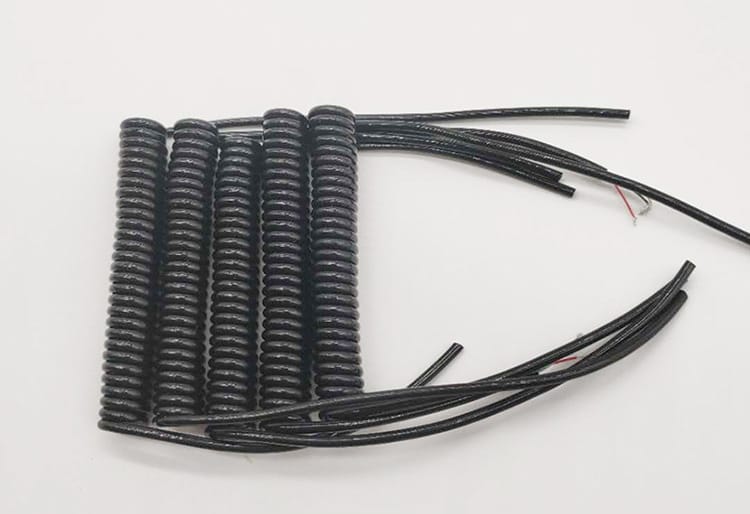
Coil Cable Design, Manufacturing, Length Calculation and Precautions 1. What is a Coiled Cable ? A Coiled cable, also known as a retractable coiled cord or spiral cable, is a type of electrical cable that can stretch and retract like a Coils. The prototype of the coil cable is actually a straight cable. The straight cable is wound around a fixed-size jig rod by winding, and the clamps on both sides are used to clamp the wire. Then it is put into the oven and baked for a certain period of time. It is taken out to form a coil cable. 2. Calculating the Real Length of a Coiled Cable 1. Determine the Structure: Understand the number of coiled sections and straight sections that make up the Coiled cable. 2. Measure the Coil Parameters: Coil length: we need to be clear the coiled part length, from one pc coiled cable L=350mm Coil ID : Measure the coiled part OD=15mm this parameter determines the fixture stick’s OD Coil OD: Measure the coiled part OD=25mm Cable OD: Measure the cable OD5.0mm Then we can work out the cable coiled part how many coils. Use the coiled part length/Wire OD 350/5.0=70coils Counting 1 coil length = πD= 3.14 X (25mm-5.0mm)=62.8mm (‘cause we can’t use the max OD to count the Circumference ) 1 coil 62.8mm X 70 coils = 4396mm+the both ends lengths is the one pc cable real length Note that the measurement method is relatively simple and intuitive but may have some errors. The formula calculation method requires accurate measurement of the structural parameters of the Coiled cable, and the calculated result is only an approximation. In practical calculations, choose the appropriate method based on the specific situation. 4. The Coiled Cable’s straight part orientation on both side The main exit directions of Coiled cables are as follows: I. Straight Exit- ...
続きを読む "ワイヤーハーネスIPC620の品質管理のポイント
ワイヤーハーネスIPC620の品質管理のポイント IPC620英語版印刷書籍の入手については、弊社までお問い合わせください I. ワイヤーハーネス製造に関わる工程 ワイヤーハーネス製造に関わる工程には、以下のものが含まれますが、これらに限定されるものではありません: 切断:切断:機械または手作業で、絶縁体や外被を傷つけることなく、電子ワイヤーやケーブルを必要な長さに切断すること。 アウターシース剥離:アウターシースとは通常、ケーブルの被覆のことを指す。アウターシース剥離機は、アウターシースを剥離する際、芯線の絶縁体を傷つけたり、切断したりしてはならない。絶縁体に切れ目、破損、亀裂、裂け目がある場合(図示せず)。 芯線ストリップ:芯線ストリップマシンをストリップに必要なサイズに調整し、銅線に傷をつけたり切断したりしないように注意する。 圧着:端子サイズに合わせて適切なブレードを選択します。準備した電線を刃を使って端子圧着部で圧着し、しっかりと圧着され、圧着端子の外観と引張力が規格に適合していることを確認する。 コネクタを装着する:適合した圧着端子線を適合したコネクタハウジングに挿入する。コネクタが完全に挿入されると、明瞭なカチッという音が聞こえます。 ワイヤーを撚る:ワイヤーツイスト機を適切な高さに調整し、銅線が平らになったり絡まったりせず、ツイストされた導体が均一なスパイラル形状になるようにします。 錫メッキ:準備した導線にフラックスを塗布する。
続きを読む "ワイヤーハーネス図面の作成方法
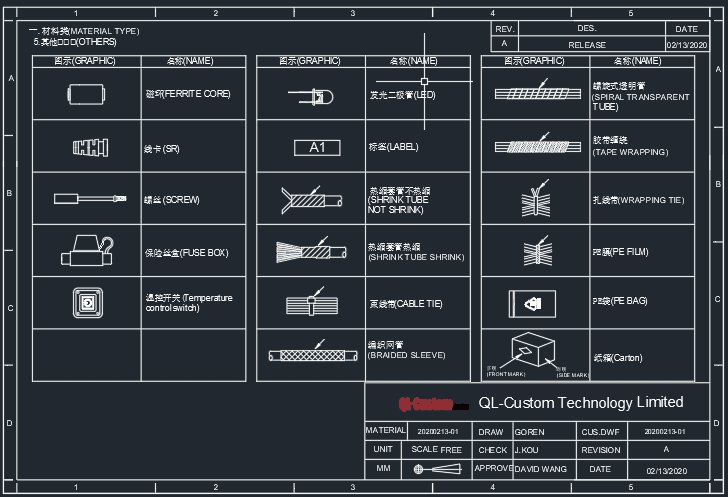
Overview of the Necessity and Importance of Wiring Harness Drawings Build wire harness drawings are essential for providing a clear and detailed representation of the harness layout, connection relationships, and component information. These drawings ensure the accuracy, reliability, and safety of the wiring harness. They illustrate the harness routing, including starting points, endpoints, and intermediate connection points, as well as the harness path. Moreover, the drawings depict the connection methods and relationships of each wire within the harness. As the primary source of information for wiring harness production, these drawings play a fundamental and critical role in the manufacturing process. Wire harness drawings build from customers' drawings : QL-Custom's Process from Inquiry Receipt to Drawing Submission for Customer Review : Upon receiving an inquiry, including customer drawings or samples, our engineers determine the sourcing strategy, whether it's original or domestic materials. They then source quotes from multiple suppliers, comparing prices to offer the best option to the customer. After price confirmation, a sample request is submitted. Engineers create drawings based on customer-provided information or samples. After internal review and approval, the drawings are sent to the customer for confirmation. Drawing Considerations and Details – Analyze customers' drawing to generate our Drawing : [caption id="attachment_4230" align="alignnone" width="796"] Wire Harness Drawings[/caption] As shown above, a typical drawing consists of seven main sections: Drawing information: Customer part number, internal part number, drafter, reviewer, revision level, date, etc. Revision history: Details of any changes made to the drawing. Quality and testing requirements: Specific standards and tests the harness must meet. 2D layout: A comprehensive view showing component placement, wire lengths, and other crucial manufacturing details. Circuit diagram: Illustrates the point-to-point connections within the harness. Bill of Materials (BOM): Lists all components, including wires, terminals, connectors, and sleeving, with quantities and internal part...
続きを読む "電線絶縁およびケーブル被覆に使用できるプラスチックは?
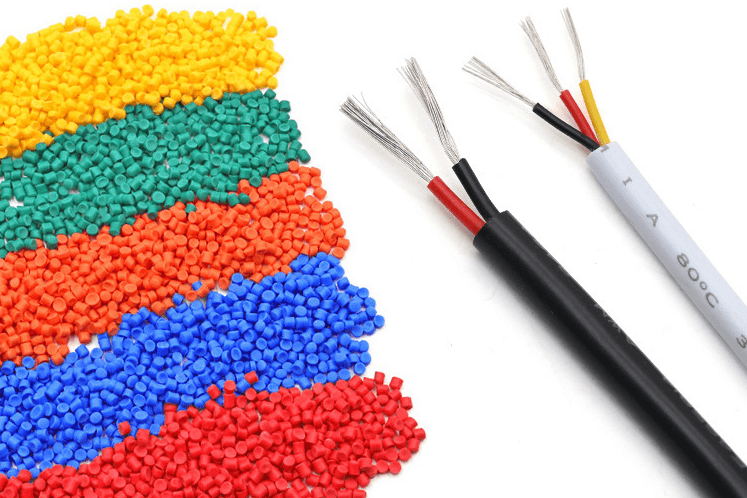
ワイヤー絶縁とケーブル被覆に使用できるプラスチックとは?電線の絶縁やケーブルの被覆は、電気的な用途に不可欠です。つまり、それらに使用される材料は、ケーブルの安全性、性能、耐久性を確保する上で極めて重要です。では、どのようなプラスチックが電線やケーブルの絶縁材や被覆材として使用できるのでしょうか? 電線絶縁とケーブル・ジャケットを理解する 電線絶縁の定義 電線絶縁をうまく利用するには、それが何であるかを知る必要があります。ワイヤー絶縁とは、導体を取り囲む非導電性材料の層です。漏電を効果的に防止し、外部環境要因から導体を保護することで、内部導体と外部との接触による漏電、短絡、感電などの事故を防ぎます。ケーブル・ジャケットの定義 ケーブル・ジャケットとは、複数の絶縁電線やケーブルを包む保護層である。物理的損傷、湿気、化学物質、紫外線などの外部環境による損傷から内部ワイヤーを保護するために使用される。ワイヤー絶縁は主に個々のワイヤーを対象とし、ケーブル・ジャケッティングは複数のワイヤーやケーブルを保護します [caption id="attachment_5047" align="alignnone" width="635"] ワイヤー絶縁とケーブル・ジャケッティング[/caption] ワイヤー絶縁に使用される材料は何ですか?ポリ塩化ビニル(PVC)PVCは優れた電気特性を持ち、柔軟性に優れ、湿度の高い環境でも使用できるため、電線絶縁に最もよく使用される材料の1つです。PVCの価格は非常に有利であり、これもPVCが広く使用されている重要な理由である。[caption id="attachment_5043" align="alignnone" width="558"] 電線絶縁とケーブル・ジャケット[/caption] 架橋ポリエチレン(XLPE) XLPE自体はプラスチックではないが、PEゴムコンパウンドを押出成形した後に放射線を照射して化学分子を架橋させ、エージング後の耐熱性を高めている。XLPEの耐熱性は極めて高い。より高い温度に耐えることができる。XLPEで絶縁されたケーブルは、...
続きを読む "単芯ULおよび欧州電子ワイヤー?
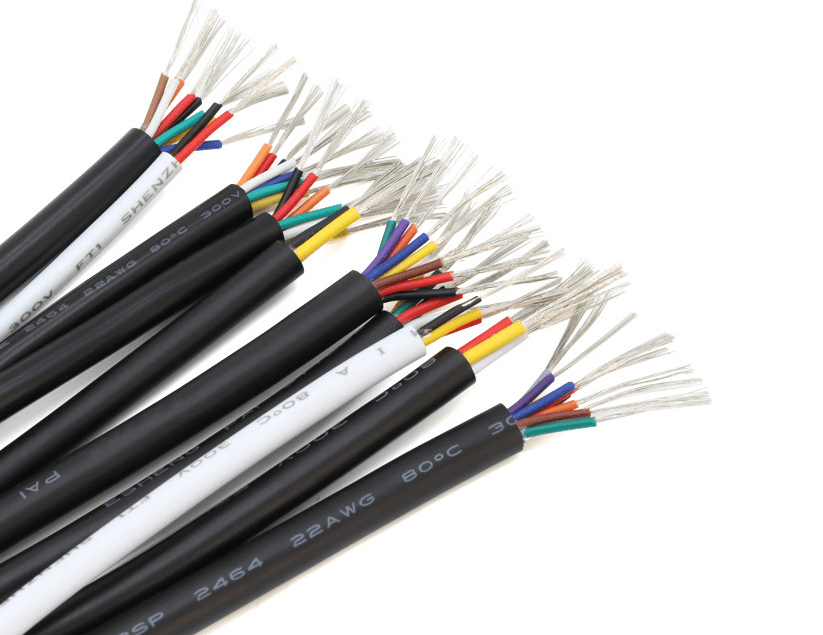
単線とは? 単芯線」という言葉はよく耳にするが、それはいったい何なのか?私たちの生活のほとんどあらゆる場面に存在するこのユビキタス部品を、その定義や用途から利点まで探ってみよう。単芯線とは、絶縁体に包まれた単一の導体からなる電線のことである。導体は通常、裸の銅または錫、銀、ニッケルでメッキされた銅でできている。絶縁体はPVC製が一般的だが、他の素材を使用することもできる。導体構造は、顧客の要求に応じて、撚り線またはソリッド銅にすることができる。単純な回路から複雑な通信システムまで、ハイテク製品から日常生活で使用される単純な電子機器まで、単心ワイヤーは必要不可欠です。単芯線と多芯ケーブルの主な違いは、使用されている導体の数にあります。 UL規格 単芯電線 UL 1015 - 単芯PVC絶縁電線 説明:絶縁材にPVCを使用した電線は、乾燥した場所での使用に適しています。用途UL1015フックアップワイヤは、制御回路、電化製品、その他の電気機器での使用に適しています。 UL 1007 - 単線またはより線PVC絶縁電線 説明:1015と同様、UL 1007もPVC絶縁電線です:1015と同様、UL 1007ワイヤーも絶縁材にPVCを使用しています。しかし、1007は低電圧環境での使用向けに設計されており、より柔軟です。用途柔軟性があるため、電化製品や電子機器の内部配線によく使用される。 UL 1569(単一導体)の説明その名の通り、単一導体で構成され、30~10AWGの錫メッキ銅または裸銅を単線または撚り線で使用します。この導体は平らで柔軟性があり、スペースの使用上の制約が少ない。用途電子機器、自動車、その他特殊な用途によく用いられる。欧州標準単芯線 1....
続きを読む "