Medische draad en kabel

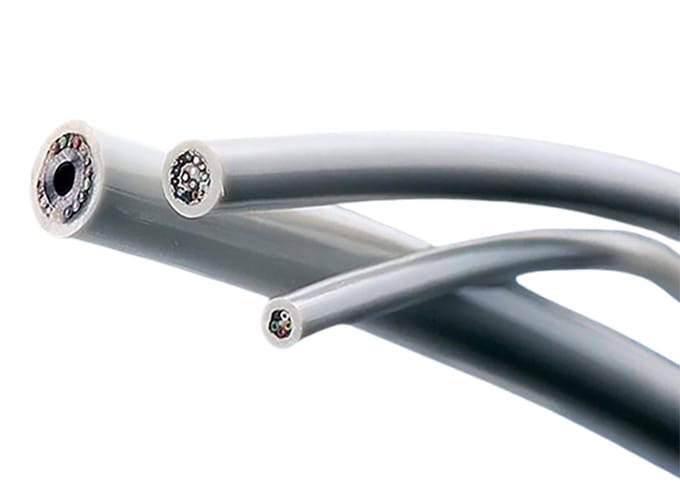
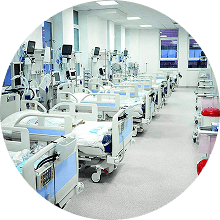
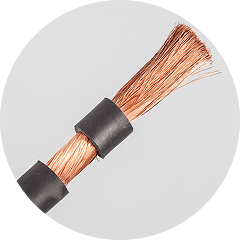
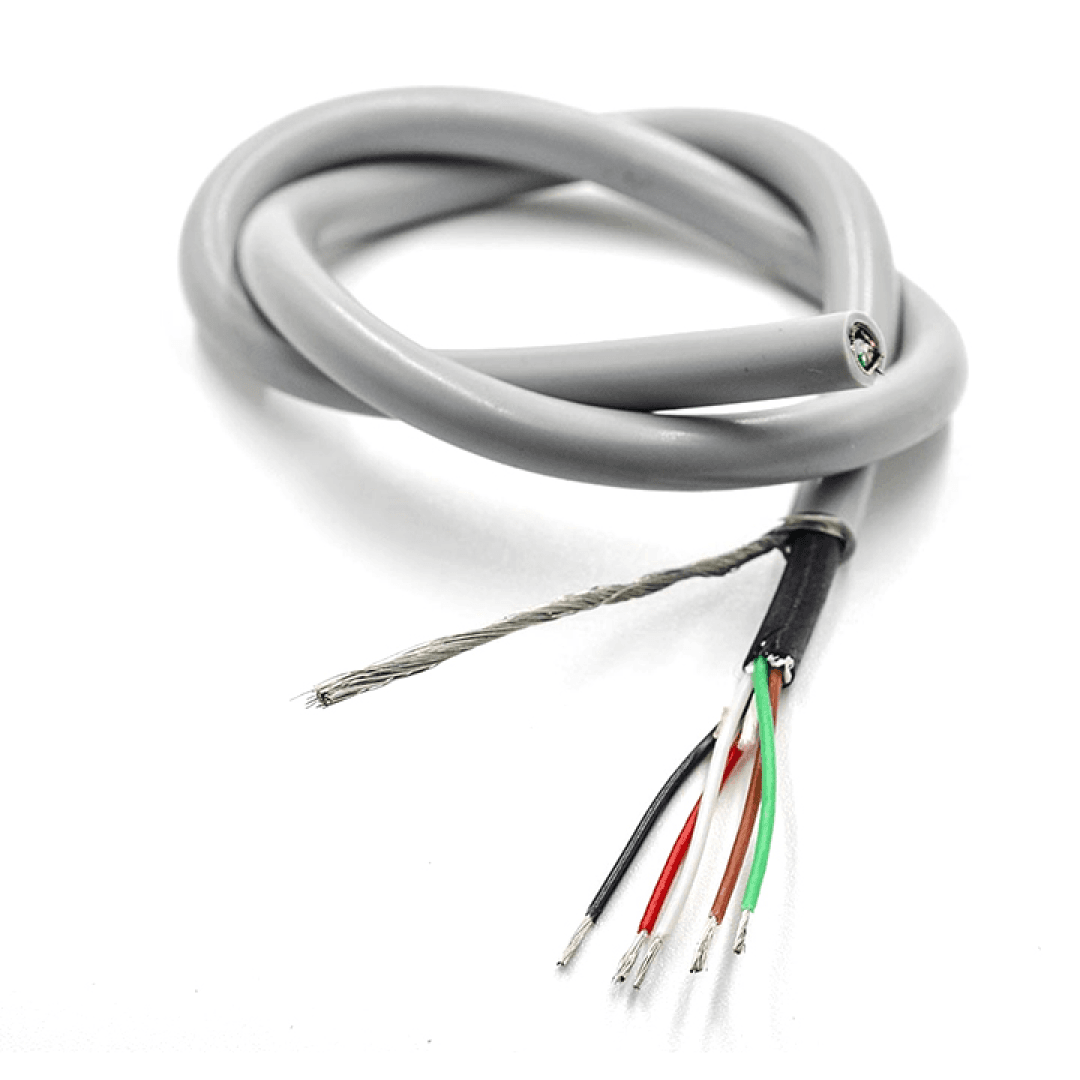
Medical wires and cables are the most vital part of the medical sector. These cables connect surgical & other devices. The cables we provide offer the maximum quality for medical devices.

Can TPE is a good option for medical grade cable ?

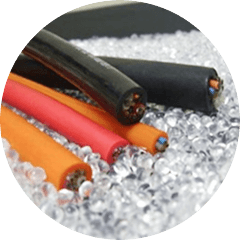
Thermoplastic elastomers (TPE) are often used to make jackets for medical wires and cables. The ability to work with plastic and the rubbery flexibility of TPE (also called "Santoprene") go well together. It makes cables feel soft and "velvety" while also giving them a strong grip. Santoprene and a lot of other medical-grade TPE formulations pass biocompatibility tests like USP Class VI and ISO 10993. TPE is good because it doesn't react with chemicals or cleaning products. In fact, Santoprene coats can handle alcohol wipes and steam autoclave cycles. TPE is usually cheaper and more resistant to wear and tear than silicone, even though it still meets medical standards. TPE is a great material for a lot of medical cable uses because it can be used in a lot of different ways, is easy to clean, and has been shown to be safe.
Medical Cable Compliance Certifications

IEC 60601-1

The international standard IEC 60601-1 says that electrical medical equipment must follow it. It sets the lowest standards for safety, electrical, mechanical, thermal, and electromagnetic interference. These rules apply to the design of all medical wires and cable assemblies. In other words, you need to get IEC 60601-1 certification before you can sell them. For devices to work safely in all situations, they must be compliant, whether they have problems or not. In order to follow IEC 60601-1, all patient connections and leads must be properly insulated, grounded, and shielded to avoid any chance of shock or burn.

UL 60601-1 / UL 817

The IEC 60601-1 standard is the US version of UL 60601-1, which is about medical safety. It talks about the same general rules for making sure that healthcare equipment is safe to use with electricity. Underwriters Laboratories (UL) 817 says that cord sets and power supply cords must meet certain standards. It lists the requirements that electrical cords and outlets in healthcare facilities must meet, such as being flame-resistant, insulated, and grounded. UL listing in the US guarantees that medical equipment, power cords, and patient cables meet these standards. UL 817 is specifically about medical extension cords and detachable cables.

21 CFR Part 898

Rule 21 CFR Part 898 of the US Food and Drug Administration deals with patient cables and electrode lead wires. Any wire that touches a patient's skin must meet very high performance standards. Part 898 almost cites Subclause 56.3(c) of IEC 601-1, which came before IEC 60601-1. In other words, the same rules about electrical safety apply to patient leads as they do to other medical devices. The FDA makes sure that patients are safe from injury if a connection or cable fails by following 21 CFR 898. This rule says that makers have to check and test their cables to make sure they are safe.

Specialized Cables for Critical Medical Equipment

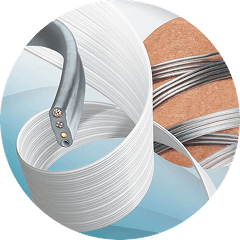
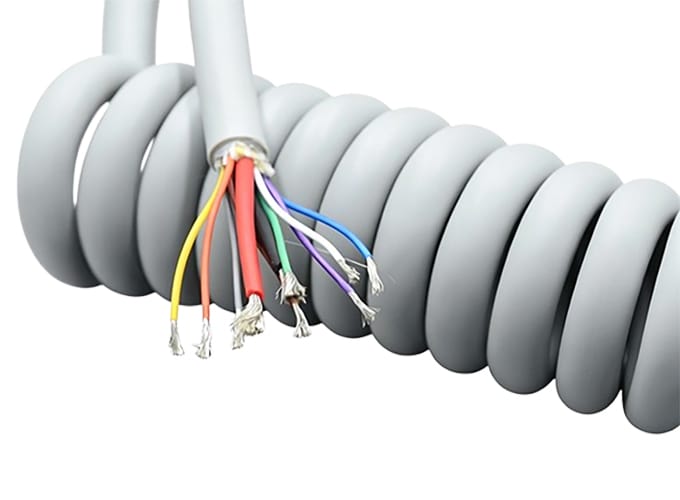
Customized cables are necessary for medical equipment that saves lives. Medical wires and cables used in imaging systems, life-support equipment, and displays are examples of precision components. They often use a single harness that has power, signal, and sensor lines all in one. It has strong strain relief and insulation.

Monitor device cable

Monitor device cable

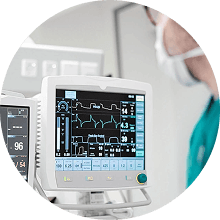
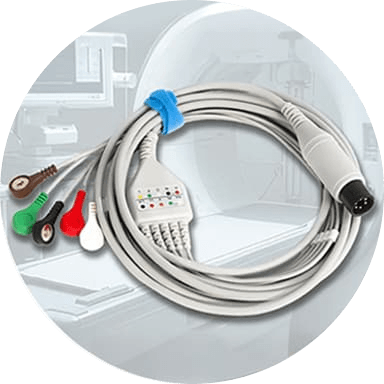
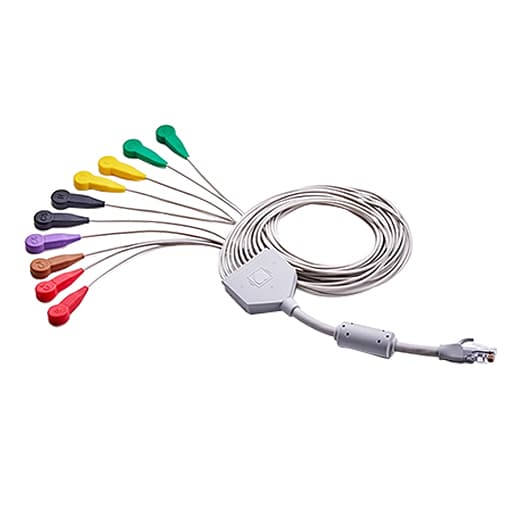
The wires that connect patient monitors are made to send signals with a lot of accuracy and little background noise. They connect to electrodes through a number of leads or an integrated trunk design. These cables are usually either twisted pairs or very well insulated to keep interference from happening. One example is that high-performance ECG cables now use low-noise designs that meet EC-53 standards. This makes sure that heart signals arrive cleanly. The connections and jackets are hand-picked for their strength and flexibility; they can bend, twist, and flex over and over again without breaking. They are also resistant to cleaners and bodily fluids, and many of them can handle sterilization cycles like autoclave, ethylene oxide, and alcohol wipes. In short, monitor cables are made to be both soft and strong, so they can be used to reliably monitor patients in any healthcare setting.

MRI,CT applicated cable

MRI,CT applicated cable

Different medical imaging machines, like MRI and CT scanners, need different kinds of medical wires and cables. Because MRI uses strong magnetic fields, the cables must not be magnetic. So, a lot of MRI cables use non-ferrous materials or fiber-optic links to keep things from getting in the way. You won't have to worry about electromagnetic interference (EMI) or the noise from the MRI machine when you use fiber-optic cables. They can also be made to be X-ray resistant and not bend during CT scans. Copper-based medical-grade imaging cables, such as industrial Ethernet and coax, have armored, biocompatible jackets and careful shielding. These shields and materials make sure that data can be sent quickly even in an MRI or CT scan, which makes a lot of electromagnetic noise and radiation. When making MRI/CT cables, the three most important things to think about are signal integrity, mechanical strength, and patient safety.

Medical meter and sensor cable

Medical meter and sensor cable

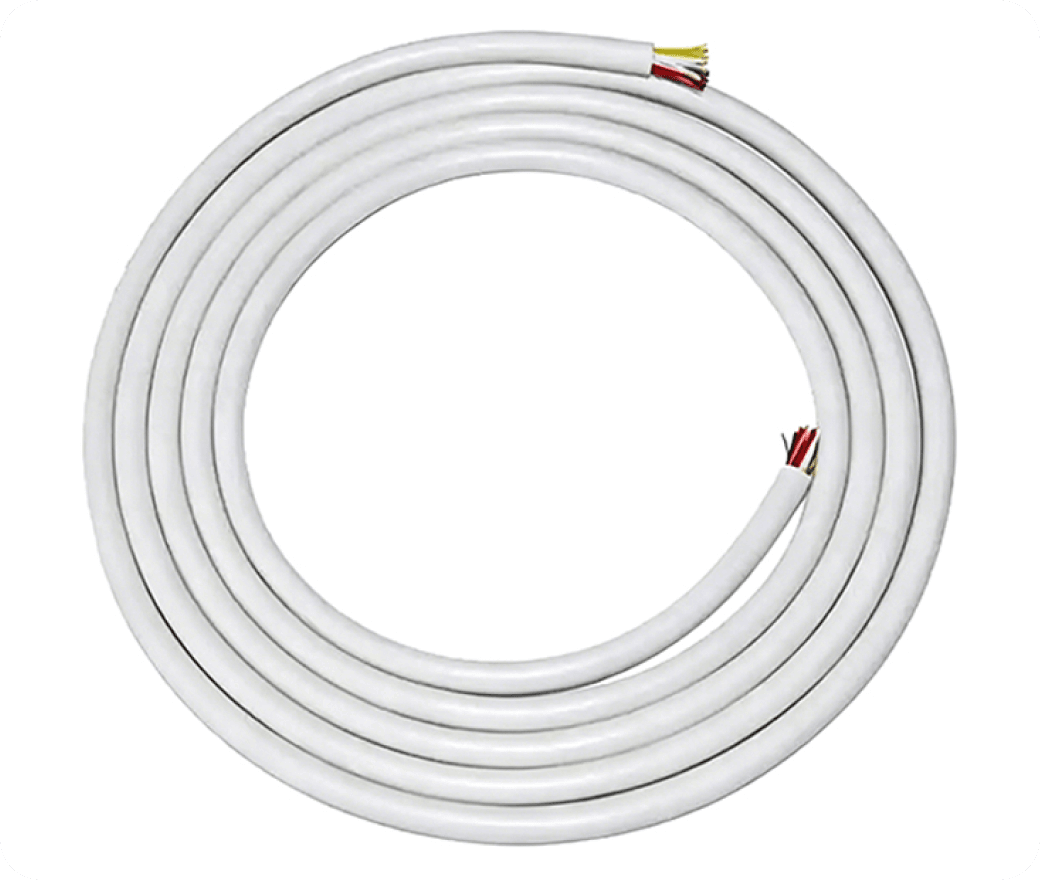
Patient sensors and meters, like ultrasonography probes, glucose sensors, and catheters, often use custom, very thin cables. A common choice is miniature coaxial cables with 32–50 AWG conductors that accurately control capacitance and impedance. Because they are so small and have such good signal quality, these micro-coax cables are great for putting into catheters or probes. For example, ultrasound transducer cables use micro-coax designs to make sure that high-frequency signals are sent without any loss. The cables have a thin PFA dielectric and a flexible jacket around very fine stranded copper or high-conductivity alloys. A standard sensor harness usually has coax lines, power leads, and twisted pairs that are overmolded or packed together. Specialized designs make it possible to send important sensor data to the device without any distortion, even from deep inside the body.

What different medical cable on materials

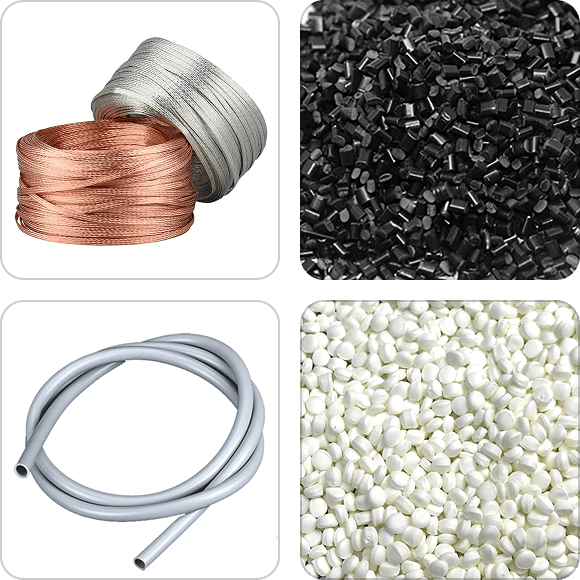
Carefully chosen materials are used to make medical wires and cable assemblies so that they can be sterilized, bent, and shielded. Silicone, PUR, TPE, and PVC are some of the most common polymers used to make jackets. PVC is cheap and doesn't break down when cleaned with alcohol. A TPE (Santoprene) jacket can handle a lot of steam-autoclave cycles and is very resistant to chemicals. Silicone jackets are very flexible, last a long time. Insulating or using thin jackets made of high-temperature fluoropolymers like PTFE/FEP can help reduce signal loss. Copper or copper alloys are the most common conductors.

Spiral shielding high density for EMI

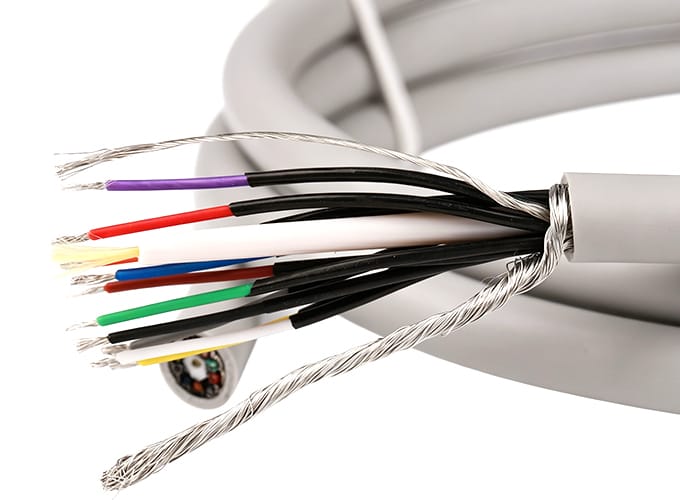
Spiral (serve) shielding is a common EMI solution for medical cables. To make it, a tinned copper wire is wound in a spiral around the conductors. This design keeps the medical wires and cable flexible while also protecting it well from low-frequency noise, covering 90% to 95% of the area. Spiral shields last longer and are easier to end than braids. The spiral shield on a medical cable wraps around it just below the jacket.

Wire Insulation Alcohol resistant

Cleaning solvents used in hospitals are strong enough to hurt the jackets and insulation on cables. PVC insulation is an example of this because it "resists alcohols, most solvents, and alkali" well. Cleaning TPE or silicone insulation with alcohol-based disinfectants many times can make it work even better. The designers pick materials that can handle strong disinfectants like quaternary ammonium and isopropyl alcohol.

Ultra flexible cable jackets

Medical wires and cables that can bend a lot use finely stranded conductors and a soft sheath. Medical-grade silicone and very thin polyurethane are two materials that make jackets that are easy to bend. Silicone jackets, for instance, have a very long flex life and are very flexible. For instance, specialist cables can handle millions of flex cycles, which regular wire cannot. These designs use bundles of very thin wires as conductors and make the insulation and jacket thinner.

Low halogen free materials

To make sure they don't catch fire, many medical wires and cables are covered in low-smoke, halogen-free (LSHF) material. Halogen-free materials don't have chlorine or bromine, so when they burn, they don't make much harmful gas. When burned, these LSHF materials give off very few harmful fumes and no harmful acids. You can find silicone and specialized TPE that don't smoke much and don't contain halogens.

Industrieën en toepassingen

Patient Monitoring & Diagnostics

Patient Monitoring & Diagnostics

Cables are needed to connect various bedside diagnostic tools like ECG/EEG machines, pulse oximeters, and ICU monitors. These medical wires and cables are the most essential part for the healthcare sector. Many medical equipment need these wires for accurate signal passing.

Medical Imaging

Medical Imaging

Used in high-precision medical imaging tools like ultrasound scanners, MRI/CT/PET scanners, and professional X-ray machines. For the exact type of voltage and weak signal passing these dedicated wires are perfectly used in the sophisticated medical electronic device.

Surgical & Clinical Instruments

Surgical & Clinical Instruments

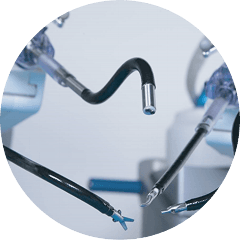
These are used in a number of interventional devices, such as endoscopes, surgical robots, and machines that give anesthesia. These machines are essential for the clear readings in the surgical jobs so they need the proper cables to pass the accurate amount of current and proper signal.

Laboratory & Analytical Equipment

Laboratory & Analytical Equipment

The laboratory and analytical equipment includes lab analyzer cables, blood gas machines, and other research tools. Labs and analytic equipment often use the tools for the research that are equipped with these durable wires.

Healthcare Infrastructure

Healthcare Infrastructure

Healthcare infrastructure serves as the core underlying wiring network inside modern hospitals that links essential medical equipment such as operating tables, patient mobility carts, and fully integrated digital operating systems to support smooth daily clinical and operational work.

Medical Device OEMs & R&D

Medical Device OEMs & R&D

Manufacturers and research labs around the globe that develop cutting-edge next-generation medical devices freely use any high-grade custom medical wire harness or professionally built medical wire assembly that is specially required for creating state-of-the-art new medical equipment.

Ultra-Flexible Cable Designs for Movement

High-Strand, Fine Conductor

High-Strand, Fine Conductor

Medical wires and cables are most flexible when they have a lot of very thin strands, like 36-50 AWG.

Soft, Thin Jacket

Soft, Thin Jacket

The jacket of the cable is made of silicone, TPU, or TPE, and it is kept very thin so that it can be bent easily.

Millions of Flex Cycles

Millions of Flex Cycles

These designs can handle a lot of stress and are usually rated for 1 to 3 million bend cycles.

Dynamic Applications

Dynamic Applications

Dynamic applications are perfect for surgical robots, ambulatory monitors, and other devices that need to move all the time.

Sterilization-Resistant Medical Cables

Sterilization-Resistant Medical Cables

Some medical wires and cables are made with materials that can stand up to harsh sterilization processes. For example, a steam autoclave would melt regular PVC coats. Santoprene, on the other hand, is a medical-grade TPE that can handle more than 50 autoclave cycles and is resistant to chemicals. Silicone jackets stay flexible and can handle heat even after being sterilized many times. These wires can handle steam pressure, very high temperatures, and even ethylene oxide or gamma radiation. Also, they can't be broken by strong disinfectants or alcohol wipes. Sterilization-resistant cables, which combine biocompatible polymers with strong connections, make sure that surgery suites and intensive care units are always safe.

Innovative Cable Designs for Next-Generation

Integrated Hybrid Cables

Hybrid cables let you connect power, data, and fluid channels all in one unit for endoscopes and surgical robots. This helps people understand how tools work together in complicated ways.

Fiber-Optic Enhanced Cables

To get pictures without electromagnetic interference (EMI), minimally invasive devices should use fiber-optic enhanced cables to send light and high-definition video.

Ultra-Miniaturized Wires

Use multi-conductor harnesses and ultra-fine custom medical wires to make the cables in small surgical tools smaller.

Smart Connectors

Choose sterile, fast-detach connectors with built-in strain relief for easy instrument changes and mistake-proof connections in the operating room.

Beoordelingen van klanten

The ECG cable harness we ordered from QL-Custom is top-notch. It's ultra-flexible and survived our sterilization tests easily. Our team was impressed by the build quality.

David Thompson

David Thompson

Great experience! The customer service helped me select the perfect medical wire and cable solutions for our monitors. The cables are durable and very flexible.

Sophia Martinez

Sophia Martinez

I ordered custom medical wires from QL-Custom, and they exceeded expectations. The signal quality is excellent, and the silicone jacket is really soft. These cables hold up well to cleaning.

Michael Chen

Michael Chen

Fast turnaround and friendly support. The cables are definitely made from excellent materials. They even provided documentation for all compliance standards.

Emily Johnson

Emily Johnson

Our new patient monitors use the QL-Custom cable sets. No noise issues at all- very well shielded. These medical wires and cable are clearly custom medical cables built with care.

Javier Gomez

Javier Gomez

We switched to QL-Custom for all our surgical instrument cables. The over-molded strain reliefs and flexibility are fantastic. We highly recommend them to anyone needing custom medical cable assemblies.

Anna Lee

Anna Lee

Best choice for medical wires and cables

QL-Custom Technology Ltd specialize in making custom medical wire and cable assemblies that meet ISO 13485 standards. Our engineers are here to help you with materials and design to meet FDA, UL, and IEC 60601 standards. Our medical wires and cable solutions include everything from overmolds and shielding to ultra-fine signal wires and full harnesses. QL-Custom's in-house tooling and testing check each medical wire assembly to make sure it is strong, safe for use in the body, and ready for sterilization. When it comes to medical wire and cable, QL-Custom is the best choice because of its quality, experience, and certification.

Best choice for medical wires and cables