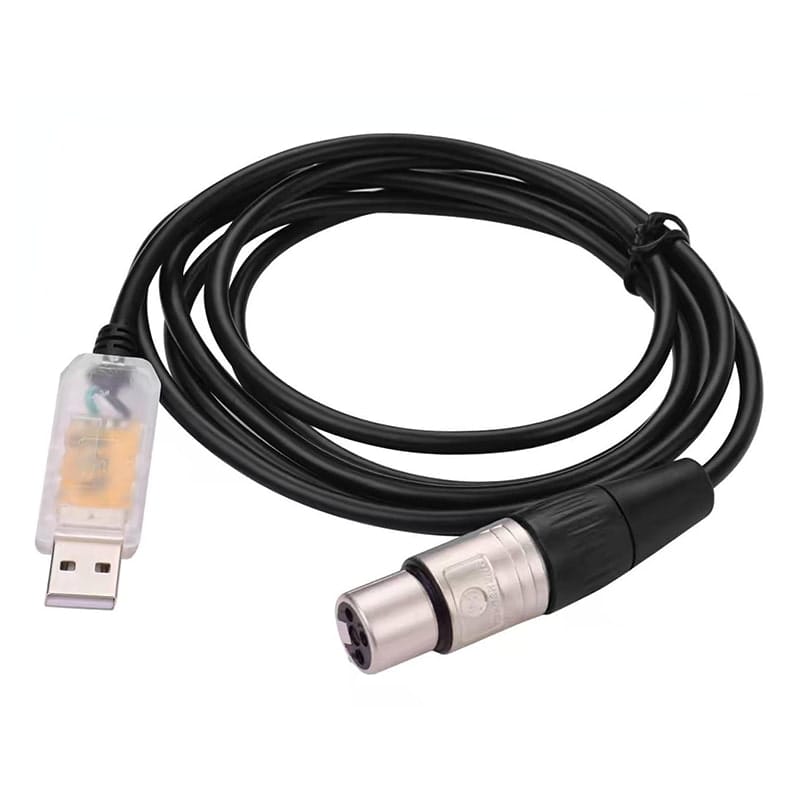
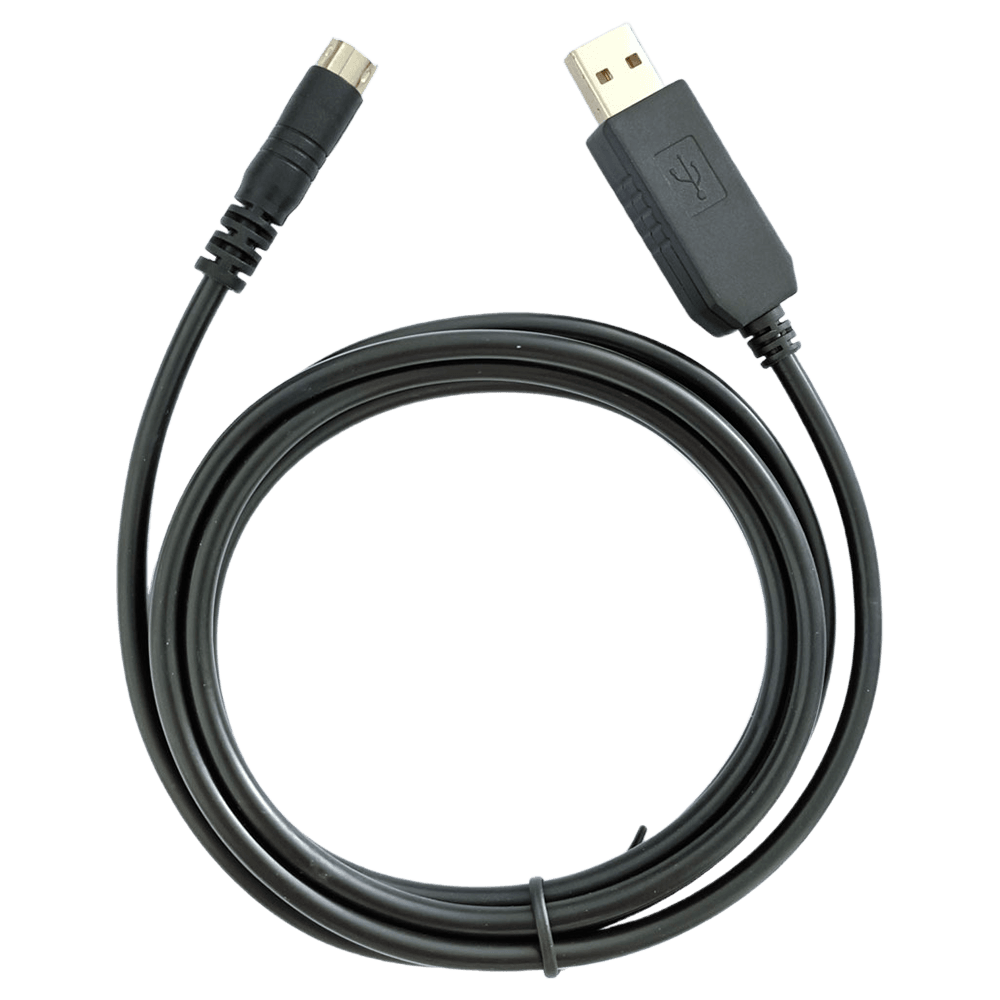
Empower your data connections with our custom FTDI
cable assembly solutions. Each cable integrates a
genuine FTDI USB converter IC for plug-and-play
serial connectivity.
FTDI cable assembly that use integrated circuit
chips, like FTDI converters, can give you important
benefits. The internal IC chip takes care of the USB
protocol and clock recovery, making sure that data
conversion is stable and error-free. This lets any
USB port act like a native serial port while sending
and receiving data in the UART, RS232, and other
formats. Using USB+IC makes things even more
compatible. FTDI chips connect a common COM port to
the host system. The company also provides free
drivers for a number of operating systems, such as
Windows, macOS, Linux, and embedded systems. In
reality, an FTDI cable is almost plug-and-play. The
FTDI IC keeps connections stable even when using
older TTL devices because it can automatically set
the baud rate, buffer data, and translate voltage
levels. Built-in FTDI chips often have useful
features like internal regulators, customizable CBUS
pins, and a unique Chip-ID for security.
Every FTDI cable assembly has a full-speed USB
connection and precise signal levels. For
instance, the FT232 series from FTDI works with
USB2.0 (12 Mbps) and UART speeds up to 3 Mbaud.
Most serial links can use a USB-FTDI cable that
runs at 12 Mbps USB to send serial data securely
at about 3 Mbps. For a single FTDI RS-485 cable,
the highest bus rating is 3 Mbaud. This
hardware-level conversion gets rid of jitter and
bit-slipping, unlike unprocessed bit-banged
methods.
New chips use for each cable
We have never bought fake chips or used old ones
again. Each cable of the FTDI cable assembly is
made with a brand-new FTDI chip (FT232R/FT230X
or something similar). FTDI has even warned
about fake FT232 devices that are out there, so
we only buy from authorized sellers. With real
FTDI parts, you can count on consistent
performance and support. The unique security ID
that comes with FTDI chips is another way to
stop cloning. This means that you can be sure
that our cables will always work with the newest
firmware.
Custom made service
We make cables that are perfect for each
project. We can change the length, wire gauge,
pin assignments, shielding, and connector types.
Do you need an M12 stainless steel connector or
an overmold? Not a problem for us. We encourage
prototypes and short runs because our minimum
order quantity (MOQ) is low. Do you like cable
coloring by the pair or custom packaging? Your
specifications tell the factory what to make. It
will happen. Our service also includes
engineering help to make sure that every FTDI
cable works as it should. This includes
everything from looking over the design to fully
testing it.
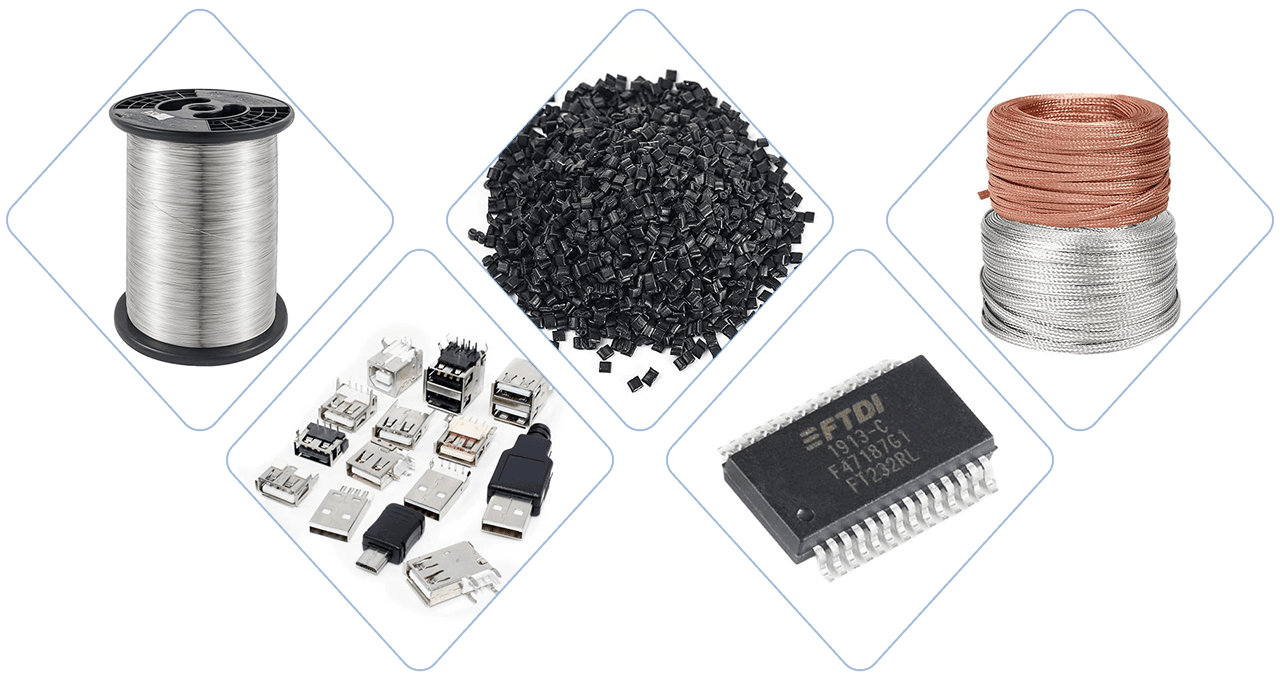
Our cables use copper wire because it lasts longer
and works better. Standard FTDI cables use 28 AWG
stranded copper, which is the best mix of
flexibility and current capacity. For situations
that need a lot of power or speed, we can use a
thicker gauge. Plating the conductors with tin or
nickel keeps them from rusting. For low capacitance,
you can insulate each conductor separately with PE
or XLPE, and then cover the whole bundle with a PVC
or LSZH jacket. The end result is a cable that can
handle bending and other everyday use without
breaking.
FTDI USB overmolding plastic
Overmolding the housing of the USB connection is
common to make it last longer. You can overmold
materials like PVC, TPE, or rubber-like compounds. A
good overmold should help relieve stress so that the
cable doesn't break at the plug. When you order a
mold, you can choose between a rough texture and a
softer rubber for better grip. Panel-mount versions
can use metal connections to shield. You can also
choose clear or colored overmolds or add logos to
the mold for a custom FTDI cable assembly.
Everything is made to meet the safety standards and
RoHS rules that apply.
FTDI cable shielding request
You can change the shielding on each FTDI cable to
fit your EMI needs. Foil shields (copper/aluminum
tape) are great for places with a lot of
high-frequency interference because they cover
everything 100%. Braided shields are made of tinned
copper braid and are strong and quiet at low
frequencies. You can use connector shells to end
shields, or you can ground another pin with an
exposed drain wire. The best way to protect yourself
is with a mix of foil and braid. To deal with EMI
issues, just give the right amount of shielding for
military or industrial use.
What kind of USB connector can be made for FTDI
FTDI cable assemblies come with a lot of different
USB plugs, so you should be able to find one that
fits your device. The most common connections are
between a USB-A male (host side) and a 6-pin TTL
female. We also make cables with USB-B or USB-A
female connectors for connecting devices. Smaller
devices use Micro or Mini USB connectors. USB-C has
become more popular in the last few years. Adafruit,
for instance, sells both a USB-C FTDI cable and a
micro USB to TTL FTDI adapter. You can use any kind
of locking mechanism or connection orientation you
want. We can even put the FTDI circuitry inside a
jack housing that is already on a board. If you need
a regular Type-A, Micro-B, Micro-USB-B, USB-C, or
even an industrial USB connection with a screw-lock,
just let us know, and we'll take care of it.
FTDI imported chips and Taiwan chips differences
USB-serial chips are not all the same. FTDI chips,
which come from the UK-based company FTDI Chip, are
known for being very stable and reliable. On the
other hand, "Taiwan" chips, like Prolific's PL2303,
have a bad reputation and are known to cause driver
problems. Our FTDI cable assemblies only use
original FTDI integrated circuits. This guarantees
that drivers will act consistently and get a lot of
support. Clone chips don't have features that are
common in FTDI chips, such as unique device IDs
(Chip-IDs). Simply put, real FTDI chips work as
promised, but fake or non-FTDI chips may stop
working after a firmware update or have drivers that
don't work well.
FTDI featured converter cables
We sell prefabricated FTDI converter cables (FTDI cable
assembly) that work with standard interfaces. You only
need a USB port; these cables will send the serial
signals. All you have to do to use any of the
highlighted cables is plug them into a USB port. You
don't need any more boxes or power.
FTDI USB convert to TTL
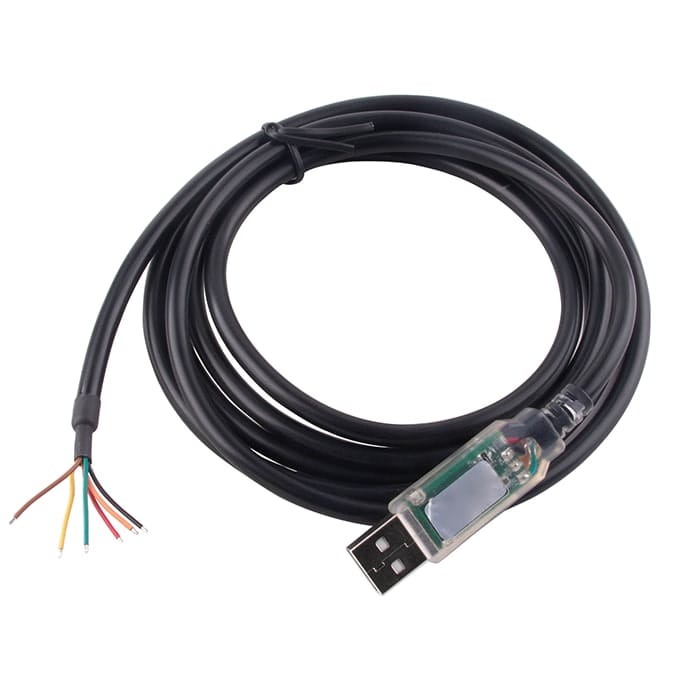
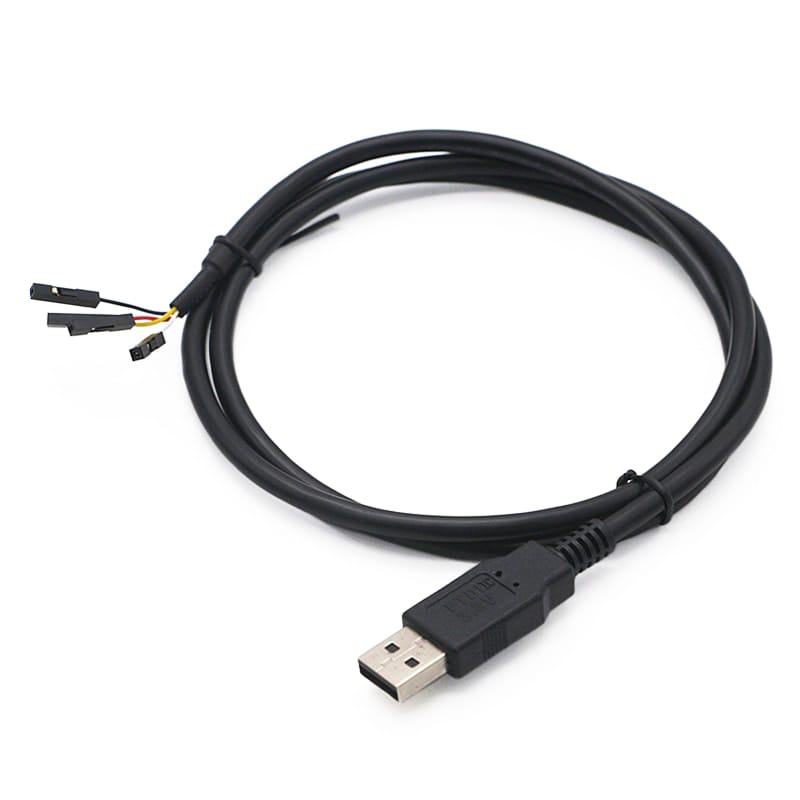
This cable can get you the normal TTL UART
signals: RTS, TX, RX, CTS, VCC, and GND.
SparkFun calls it a "USB to Serial (TTL level)
converter" because it makes it easy to connect
TTL interface devices to USB. It works well with
Arduino, ESP, and other boards with
microcontrollers. RTS, RX, TX, 5V, CTS, and GND
are all there, as they usually are. It works
with standard 6-pin headers. You can get both 5V
and 3.3V logic versions. For instance, the
Adafruit USB-C FTDI cable uses 5V power and 3.3V
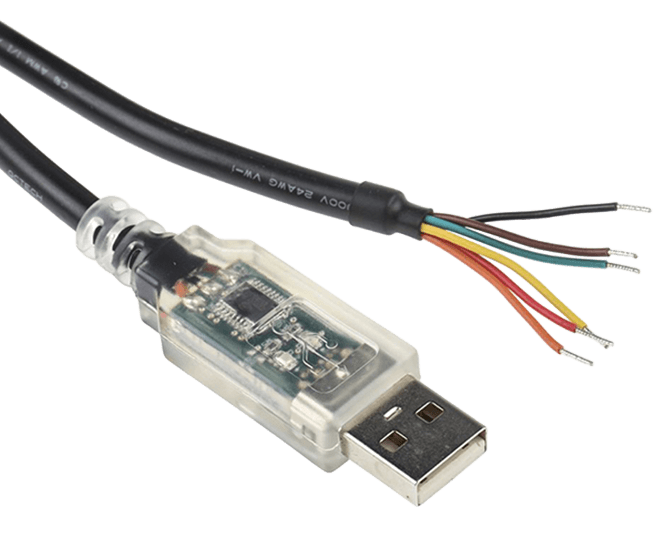
logic signals. You can also get them with custom
wire ends, which means the ends are bare wires.
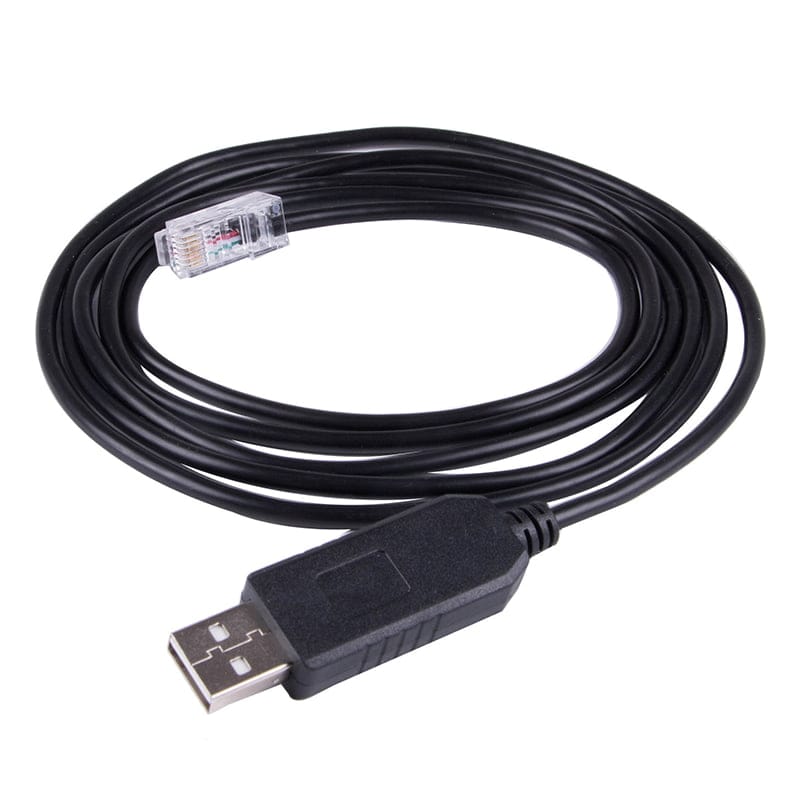
This FTDI cable assembly has an 8P8C RJ45
connector on the end and is meant to be used as
a Cisco console cable. It has an FTDI chipset
that changes USB levels to RS-232 levels after
switching to the RJ45 connector. Cable Matters
says, "The built-in FTDI chipset takes care of
the USB signaling, which includes an RS-232
level shifter." The usual way to do this is to
connect a computer's USB port to a switch or
router port. This cable looks like a Cisco
rollover cable, but it sends USB signals instead
of Ethernet signals. With the help of FTDI
drivers, it can be seen as a virtual COM port.
You can use these cables to set up network
devices, and they work with Windows, Linux, and
Mac computers because they come with a driver.
Pick from our selection of USB to RS485 cables
for differential serial. For example, the FTDI
USB-RS485-WE cable uses an FT232R with an RS-485
transceiver built in. This 1.8-meter cable is
industrial-grade and connects a USB port to a
2-wire RS-485 bus. It is CE and FCC approved.
The A and B signal cables are given to the user
without ends so that they can connect them to
their own cables. It makes a separate COM port
with a bandwidth of up to 3 MBaud and gets its
power from USB. This lets you connect a PC to
RS-485 networks (PLCs, sensors) without needing
any extra hardware. You can use the same idea
with USB-to-RS232 or RS422 FTDI connections if
you need to.
FTDI cables are often used in schools, labs, and
cars. They are helpful for learning kits, test
tools, car computers, robots, and sensors.
Medical & Healthcare
Hospitals and labs use FTDI cable assemblies to
link medical devices to computers. These cables
help move data in a safe way. Some cables have
special medical-grade covers to add extra
safety.
IoT & Embedded Systems
Students and engineers use FTDI cable assembly
with boards like Arduino, Raspberry Pi, and
ESP32. The cables help them program and test
their projects. They connect with easy 6-pin
plugs and can also give power to the device.
Telecom & Networking
FTDI cables help workers set up and fix routers
and network switches. They allow new laptops to
connect to older equipment that uses serial
ports.
Industrielle Automatisierung
FTDI cables help computers connect to factory
machines. These machines include PLCs and CNC
tools. The cables work with different power
levels from 1.8V to 5V. They are built to handle
electrical noise. People use them to set up
machines and collect information.
Wide Voltage Level Support
Our FTDI cable assembly covers all common TTL voltage
levels:
1.8V Output
For low-voltage interfaces (some modern
microcontrollers, SDRAM, ASICs). Cables like
FT232RG-VREG1V8 output exactly 1.8V on
TX/RX.
3.3V Output
Standard for most embedded boards (Arduino
Pro Mini, Raspberry Pi UART, ESP, etc.). For
example, TTL-232R-3V3 cables give 3.3V
logic. Adafruit’s FTDI USB-C cable has 3.3V
TX/RX lines (with a 5V power line) for this
reason.
5V Output
Needed for classic TTL and 5V
microcontrollers. TTL-232R-5V cables provide
5V logic. Useful when interfacing older
digital circuits or powering 5V boards.
Some cables even support a range (TTL-232RG-VIP
supports 1.8V–5.25V logic), which can be adjusted
via an onboard regulator. In short, whether your
target device runs at USB to TTL 5V vs 3.3V logic,
we have a matching cable.
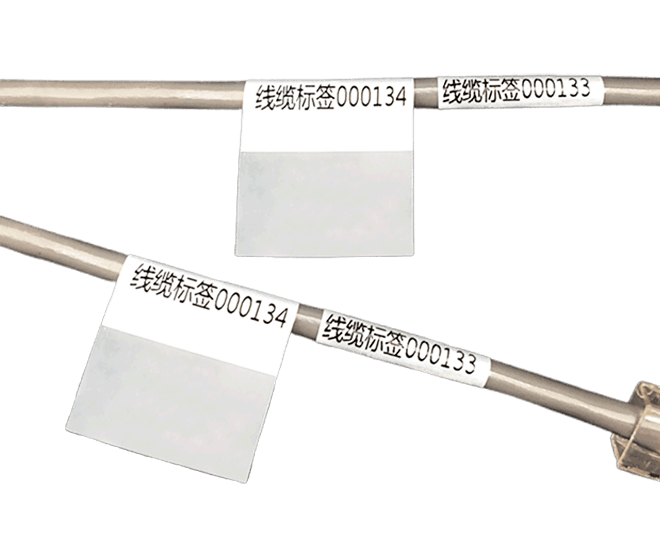
OEM/ODM: Custom Labeling & Marking
OEM/ODM Customization
We offer a full range of OEM and ODM
customization services. Add your logo to our
custom-made FTDI cables. You can put your brand
on the jacket or connector of the cable.
Kundenspezifische Beschriftung
Sie können Ihre Produkt-ID oder Ihren Markennamen auf den
Etiketten auf jedem Kabel hinzufügen, wenn Sie dies wünschen. Wir können
entweder das Kabel mit bedruckten Etiketten umwickeln oder
Ihre Marke oder Teilenummer mit dem Laser in die
wenn Sie möchten, dass sie auf dem Kabel bleibt.
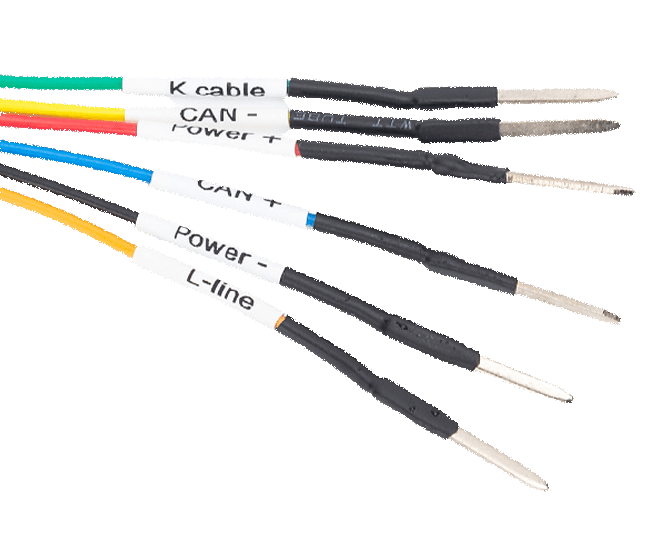
Wärmeschrumpfende Markierung
Bringen Sie Text oder Bilder auf Schrumpfhüllen oder
Etiketten, die lange Zeit halten. Dies ist eine
eine gute Möglichkeit, jedes Kabel mit einem Konformitätszeichen, einer
Seriennummer oder einen Barcode auf jedem Kabel anzubringen.
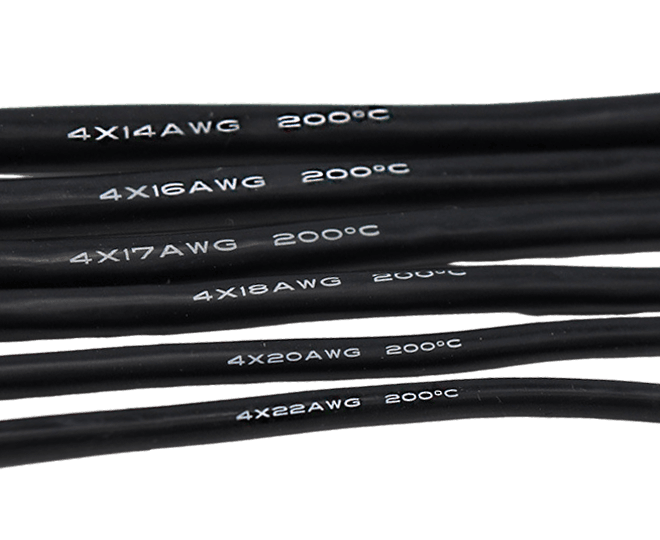
Teilenummer Druck
Das Aufdrucken der Modellnummern oder Chargenbezeichnungen
auf der Ummantelung macht es einfach, den Überblick über
Ihrer Kabel. Dies ist eine gängige Methode, um festzustellen, um welche
Art des Kabels in einer Fabrik.
Mit diesen Branding-Optionen können Sie Ihren individuellen
FTDI Kabelkonfektionen mit dem Namen des Herstellers oder dem Teileschema
auf jedes von uns versandte Kabel aufbringen. Das Schema wird in jedes
jedes von uns gelieferte Kabel integriert.
Jedes FTDI-Kabel ist mit einem echten FTDI
Konverter-Chip, der eine erstklassige Kompatibilität gewährleistet.
FTDI-Chips werden mit vollständig unterstützten Treibern geliefert. Unter
alle FTDI-Kabel "verwenden lizenzfreie FTDI-Treiber
- die für Windows, MAC, Linux und WinCE verfügbar sind". Dies
Das bedeutet, wenn Sie unser Kabel an ein modernes Betriebssystem anschließen,
wird es sofort als COM-Port angezeigt. Treiber sind
Windows 10/11 und aktuellem macOS standardmäßig enthalten
standardmäßig enthalten, und Linux-Kernel haben integrierte Unterstützung. Keine
mysteriöse Treiber oder Hacks von Drittanbietern sind nicht erforderlich.
Technische Unterstützung von FTDI bedeutet einfache
auch die Wartung. Wie bereits erwähnt, enthalten viele FTDI-Chips
eine integrierte FTDI-Chip-ID-Sicherheitsfunktion. Diese
Hardware-ID kann vom Benutzer eingestellt werden, um das
Kabel zu sichern und hilft, Fälschungen oder unbefugte
Verwendung zu verhindern. Die Verwendung von authentischen FTDI-Kabelbauteilen
stellt außerdem sicher, dass Sie die Firmware oder EEPROM
Einstellungen mit den FTDI-Tools aktualisieren können. In der Praxis ist die Arbeit
ist die Arbeit mit diesen Kabeln dank des
breiten, gut getesteten FTDI-Treiber-Ökosystem.
Kundenrezensionen
Ich brauchte ein USB-zu-UART-Kabel mit Aderende für ein Embedded-Projekt, und das FTDI-Kabel von QL war perfekt. Es kam schnell an, und die blanken Drähte waren sauber und einfach zu löten. Es funktioniert hervorragend mit meinem Raspberry Pi und Arduino. Keine Probleme mit Treibern unter Windows oder Linux.
John Smith
Das USB-C-FTDI-Kabel, das wir von QL erhalten haben, ist gut verarbeitet. Wir verwenden es zum Flashen von Firmware auf kundenspezifischen PCB-Prototypen. Es entsprach der 6-poligen FT232RL-Pinbelegung, sodass der Anschluss nahtlos erfolgte. QL hat auch unser Logo auf jedes Kabel gedruckt - sehr professionell!
Emily Zhang
Ausgezeichnete FTDI-Kabelkonfektionierung. Ich habe eine Reihe von USB-zu-TTL-Kabeln (ein 3,3V, ein 5V) bestellt, um defekte Kabel in unserem Labor zu ersetzen. Sie funktionierten wie angekündigt. Unter MacOS (einschließlich der neuen Sequoia-Version) werden sie dank der integrierten FTDI-Treiber sofort angezeigt. Keine Bricking-Probleme wie bei anderen Nachbauten.
Michael Brown
Die kundenspezifische Kennzeichnung von QL ist praktisch. Jedes FTDI-Kabel hat unsere Teilenummer und unser Logo auf dem Mantel. Die Enden sind sogar mit Schrumpfmarkierungen und Draht-IDs versehen. Die Kabel sind robust - ich habe viel an ihnen herumgezerrt und keine Probleme gehabt. Der Kundendienst war sehr hilfsbereit, als ich eine Frage zum Spannungspegel hatte.
Sarah Johnson
Unser Netzwerkteam liebt die FTDI-Konsolenkabel (USB auf RJ45) von QL. Sie verwenden sie täglich für Router-Konfigurationen. Der integrierte FTDI-Chip vereinfacht die Einrichtung wirklich. QL erfüllte unseren Wunsch nach biegsamen Umspritzungen, was in engen Racks hilfreich ist. Solide Leistung und Kompatibilität.
David Lee
Wir benötigten ein wasserdichtes industrielles FTDI-Kabel für ein Feldsensorprojekt. QL lieferte ein IP67-zertifiziertes Kabel mit gepanzertem Mantel. Es hat die Tests im Freien bei Regen und Staub überstanden. Der Preis war angesichts der robusten Spezifikation sehr angemessen. Wir werden auf jeden Fall wieder mit QL für kundenspezifische Kabel zusammenarbeiten.
Maria Garcia
Kaufen Sie hochwertige, maßgeschneiderte FTDI-Kabellösungen
QL-Custom Technology Ltd. ist die beste Adresse, wenn Sie
Sie eine zuverlässige, kundenspezifische FTDI-Kabelkonfektion benötigen. Sie
haben den richtigen Kabelhersteller gefunden, wenn Sie eine FTDI
oder eine USB-serielle Lösung benötigen. Unser Personal weiß viel über
über FTDI-Chips und Kabeldesign, so dass jedes unserer
unserer Konfektionen zuverlässig funktioniert. Wir verwenden nur echte FTDI
ICs und hochwertige Materialien, und wir halten unsere
Preise niedrig. Wir kümmern uns um alles im Haus,
von der Herstellung schneller Prototypen bis zur großen OEM-Produktion.
Wir können Sonderwünsche erfüllen, z. B.
wasserdichte Beschichtungen, zusätzlichen Schutz und einzigartige
Verbindungen. Jedes Kabel wird nach sehr hohen
Standards hergestellt und gründlich auf seine Qualität unter
Werkskontrolle geprüft. Vor der Auslieferung wird jedes
FTDI-Kabel zahlreiche Tests durchlaufen, um sicherzustellen
um sicherzustellen, dass es funktioniert und Daten senden kann. Wenn Sie irgendwelche
Probleme mit Ihrem Kauf haben, können wir Ihnen schnell helfen
beheben und Ihnen neue Teile schicken. Wenn Sie mit uns sprechen möchten
über unsere einfachen oder vollständig kundenspezifischen FTDI-Kabel
sprechen möchten, nehmen Sie bitte gleich Kontakt mit uns auf.