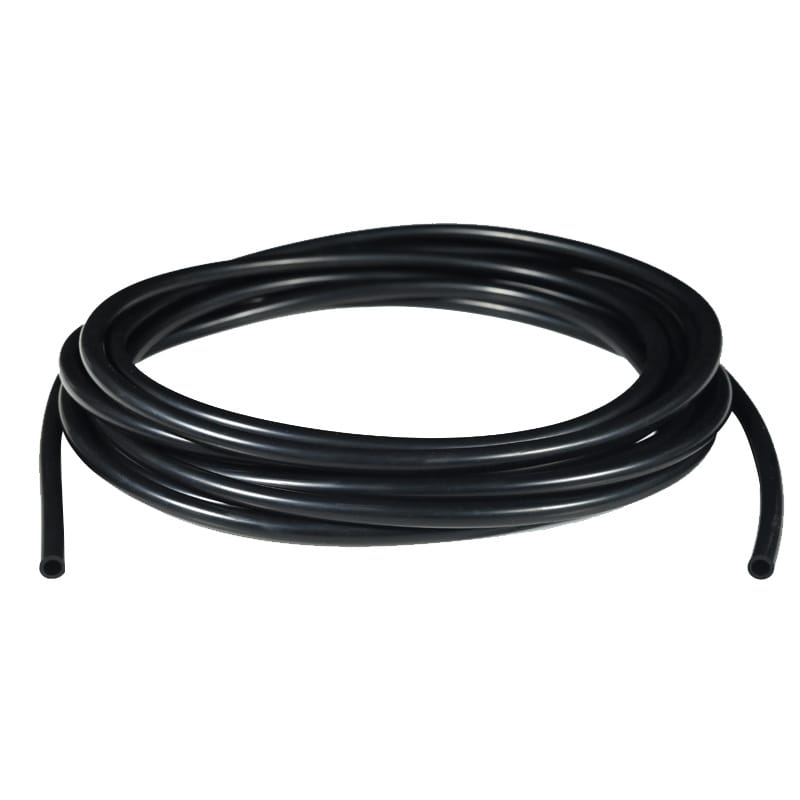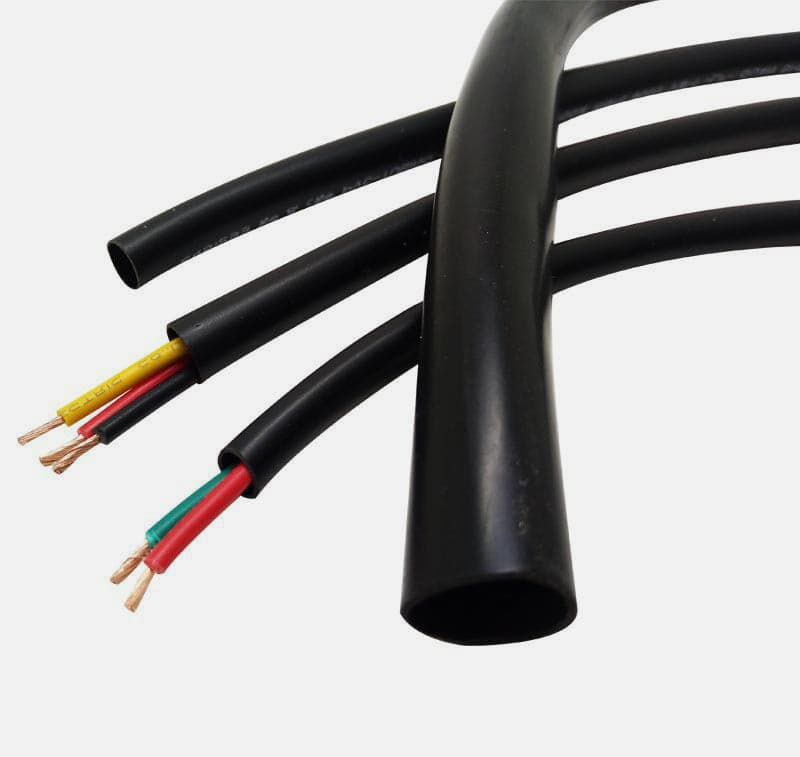
Wire and cable insulation and shealth options

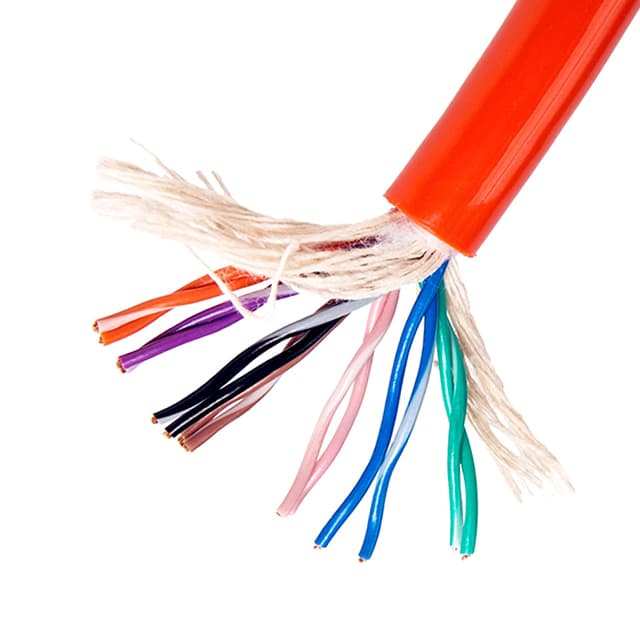
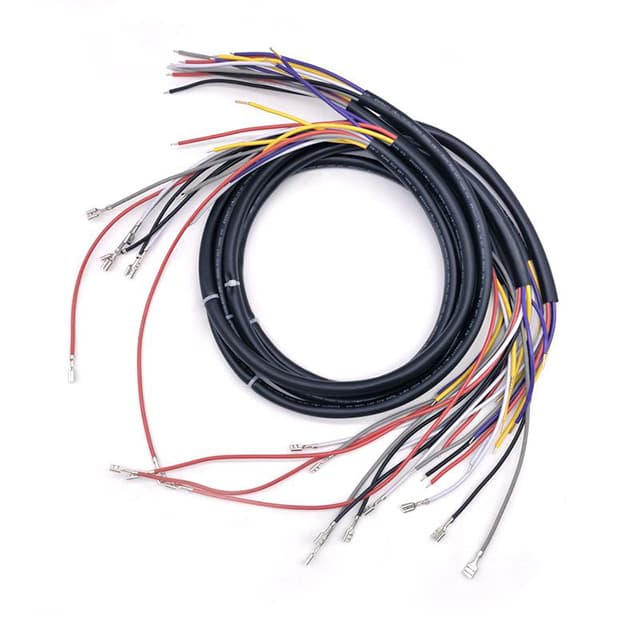
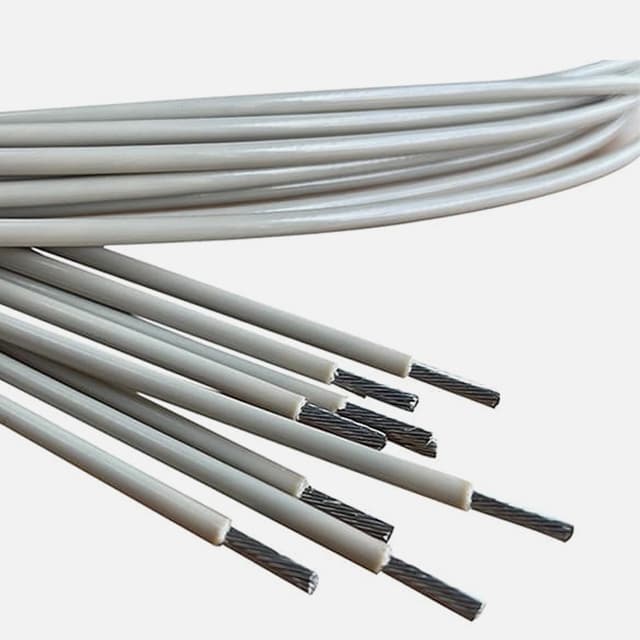
High quality wire and cable insulation and sheath options protect the connection from high temperatures, chemicals, humidity & voltage changes. It is the most essential part for each link.

Why PVC, PUR, TPE, can be used as cable jacket

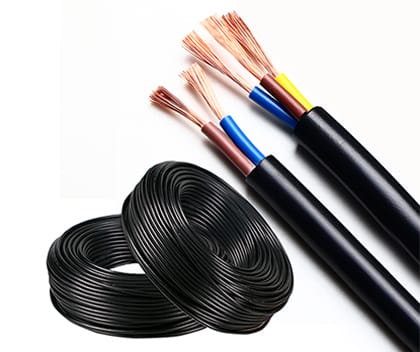
The demand for wire and cable insulation and sheath options is increasing. More machines and smart gadgets: there’s a need to secure them, and do so in a trusted way. The cable jacket is the protection layer on top. It doesn’t absorb any water. It also functions as a chemical barrier. It is resistant to heat and physical stress. PVC is easily the most popular of all the cable sheathing materials. It is easy to work with, inexpensive and flame resistant. It covers most of the insulating materials for wires and cables, and for panels and appliances. Polyurethane, or PUR, is the toughest. Its resistance to lubricants, abrasion and frequent bending makes it ideal for use in automotive cable sheaths and robotic flex cables. A thermoplastic elastomer ( TPE ) is when you mix the pliability of plastic with the suppleness of rubber. At low temperature it satisfies all the environmental requirements. All three materials are easily differentiated by colour coding and all meet the RoHS and REACH requirements.
What kind of hose can be used as wire cover

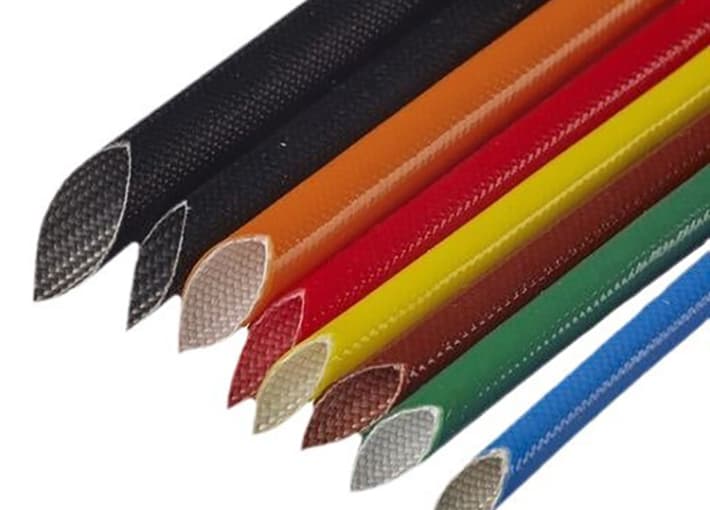
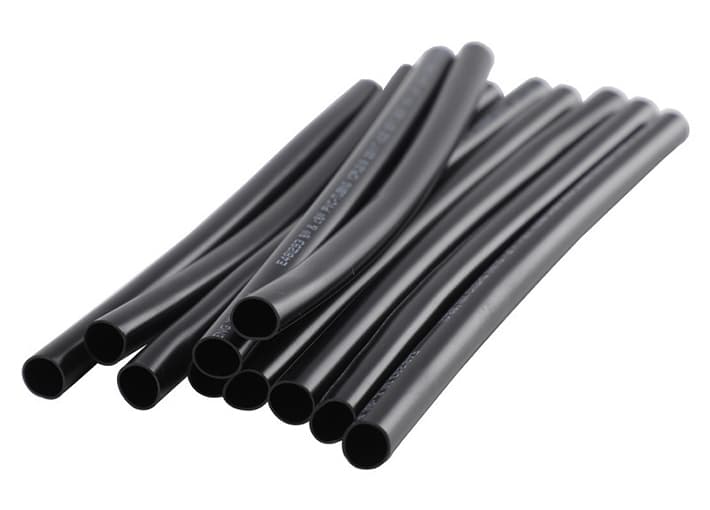
Some cables are not insulated. They require two covers. The additional layer is called sleeves or hose. It surrounds an outside wire and cable insulation and sheath options. It protects the wire against heat, scratching, dust and rough usage. If you don’t, your outer jacket may not hold up as well. This could damage the wires or even short them. Hose covers are used in machines, automobiles, ovens, control panels, and thousands of other places. They are easy to install. And it’s easy to throw them over the fence. No special equipment needed. Two of the most common types are wire cover hoses insulated with PVC and those coated with silicone.

Silicone coated Fiber glass hose

Silicone coated Fiber glass hose

Fiberglass hose coated with silicone for use in hot environments. It remains stable at temperatures up to 200°C. Inside there's braided fiberglass. Which gives it its form and strength. The outside is coated with a layer of silicone. It’s flexible and feels soft. Silicone is not affected by time. It does not harden, nor melt. These kinds of hoses are perfect for wrapping wires in vehicles, ovens and industrial machinery exposed to high temperatures. The exhaust and engine bay and furnace wiring all are well contained. Another moisture barrier is the silicone coating. This ensures that the wire stays dry and secured. The hose is resistant to direct flame and radiant heat.

PVC insulated tubes

PVC insulated tubes

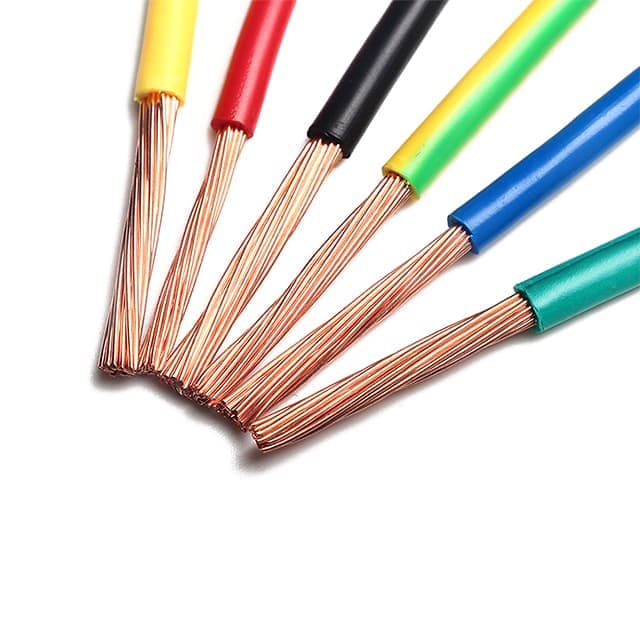
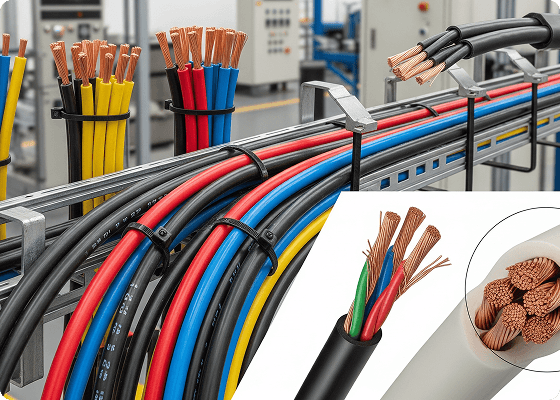
PVC insulated tubes are just wire coverings and used across many sectors. They are inexpensive, compact and lightweight. We have tubes matching any standard wire size. The tube walls shield wires from dirt, dust and small scratches. Commonly used in PVC-sheathed power cable assemblies at device connection points. This adds extra protection in high traffic areas. PVC tubes come in a rainbow of colors. The common color code for electrical wire sheathing is red, black, blue and yellow-green. This makes wire sorting easy and avoids mistakes. Most PVC tubes work between -10°C to +70°C. Higher resistance grades withstand temperatures up to 105°C.

Voltage will be impact by what kind of cable jacket and insulation?

The maximum allowable voltage is tightly related to the wire and cable insulation and sheath options you use. Denser polymers & thicker walls are better in resisting electrical breakdown. The vital number is the dielectric strength. Wrong material can cause arc flash, insulation failure and fire.

Why teflon insulation rating higher voltage than PVC

Why teflon insulation rating higher voltage than PVC

Typical dielectric strength of Teflon is 60-80 kV/mm. PVC has a breakdown strength of 30–40 kV/mm. That’s a huge difference. Teflon’s molecular structure is stable. The fluorine-carbon bond resists chemical, electrical and thermal stresses simultaneously. As PVC deteriorates at high temperatures, its insulating properties are reduced. Teflon is stable from -65 to +260°C. It does not absorb water, so its dielectric properties are unaffected by damp conditions. Wires touch each other, and this slippery surface reduces mechanical wear. Teflon is used where insulation failure cannot be tolerated. This includes aeronautical harnesses, high frequency communications cables and medical devices. Cable insulation and sheath cost more and offer greater reliability than PVC.

Why some wire need to be design dural insulations

Why some wire need to be design dural insulations

What is dual insulation? It means that the wire has two layers of protection wire and cable insulation and sheath options. The inner layer holds the rated voltage and is the principal dielectric. The outer layer acts as a barrier to mechanical and chemical forces. This geometry is specified by many standards for cable types not enclosed in metal. Class II electrical equipment does not rely on an earth connection for safety, it merely requires one. High voltage may have a Teflon inner insulator. The outer sheath can be made of PVC or PUR for abrasion resistance. The synergy between them gives toughness and thermal stability. Thermoplastic encased cable with dual insulation provides enhanced performance in wet or chemically active environments. It increases the safety margin by a factor of two.

The Fiber hose rated max voltage

The Fiber hose rated max voltage

Fiberglass sleeving is mechanical and thermal protection, but it is not an insulator in itself. That said, it does afford a small amount of voltage tolerance for it. Plain fiberglass (uncoated) can usually handle up to 2,000V. Some grades of silicone coated fiberglass can withstand voltages up to 7,000 V. Transformer windings and motor windings of 20-30kV ratings are of varnished or resin impregnated fiberglass. The tolerance to voltage depends on the wall thickness and the coating quality of wire and cable insulation and sheath options. If you are protecting existing insulated conductors from heat, wear and tear and sparks, fiberglass is the choice. It is widely used in combustion chambers, ovens and furnaces. High voltages also require special dielectric material for primary insulation, such as XLPE or Teflon.

Safe & Durable Material Choices

Fiber glass fabrics

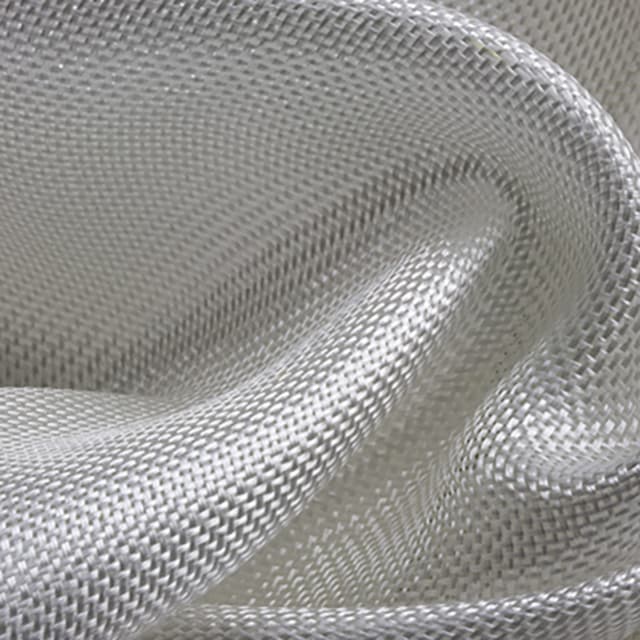
The E-glass filaments are spun into fiberglass fabric sleeving. Uncoated it can withstand long periods of time above 500°C. The weave structure chars on contact instead of melting or dripping. This braided wire sheathing is one of the safest wire and cable insulation and sheath options for fire-prone areas. Used in wiring of furnace, transformer and motor coils. Fiberglass is non-corrosive, lightweight and chemically inert, making it a great addition to cable bundles. It works well over pre-terminated cables also.

Normal Insulation plastic

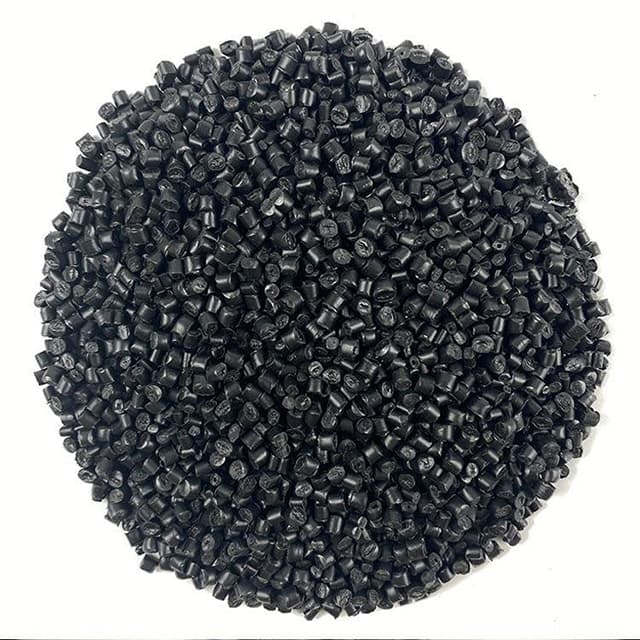
Polyethylene, Polypropylene and Polyvinyl Chloride are the mainstay of the insulated wires and cables market. These materials are cheap, but also easy to extrude fast and in large quantities. These are suitable for most home and light commercial applications. These polymers are utilized to produce the insulation and the jacket of the non-metallic sheathed cable found in homes and workplaces. You can paint them the same as the color codes for electrical wire sheathing used all over the world.

PFA transprant materials

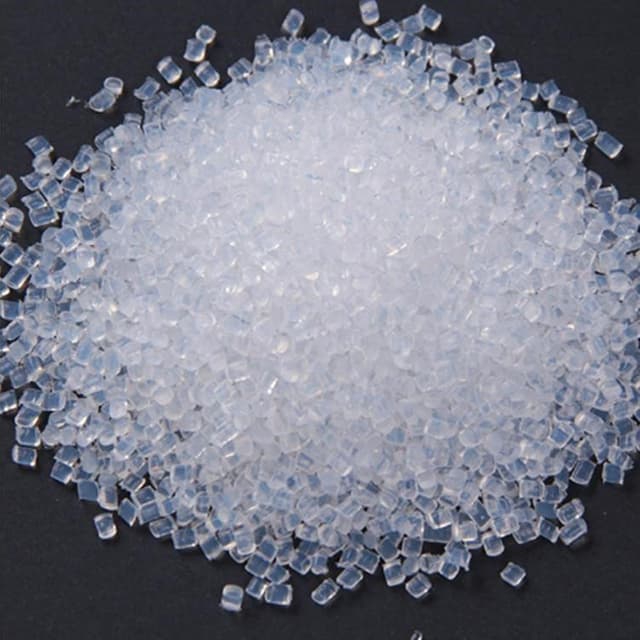
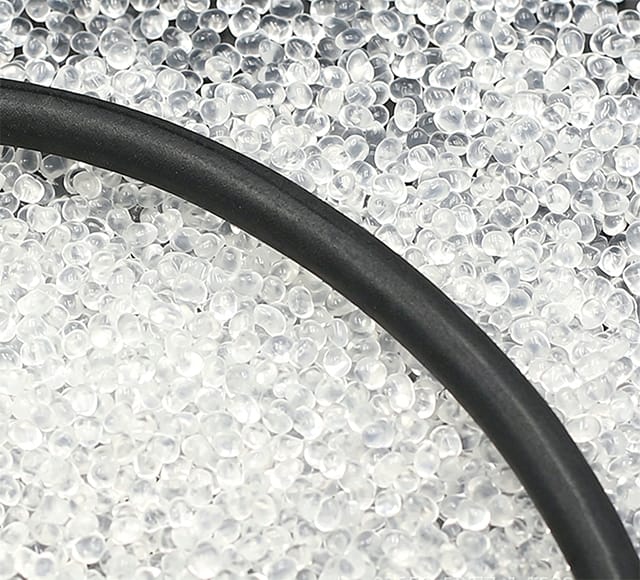
PFA Another fluoropolymer similar to PTFE. PFA stands for perfluoroalkoxy alkane. PFA may be melt-processed. It’s see-through so engineers can check the condition of the conductor without physically having to take the wire off. PFA is chemically very inert and can withstand temperatures up to +260°C. It is used for tools for semiconductor manufacture, laboratory instruments and pharmaceutical equipment due to strict zero-contamination requirements. PFA has dielectric properties similar to Teflon but in a more flexible form.

Stiff wire - PEEK wire materials

Polyether ether ketone (PEEK) is a high-performance engineering plastic. It is strong and rigid, maintaining its shape even at +250°C. PEEK insulated wire is used in a wide range of applications, including surgical robots, satellite electronics, aerospace and more. It has higher structural rigidity than Teflon, but similar dielectric strength. PEEK’s advantages are also evident in two other ways: radiation and autoclave sterilization. The material's value is in its ability to not bend but remain the same size.

Industrieën en toepassingen

Automotive & EV

Automotive & EV

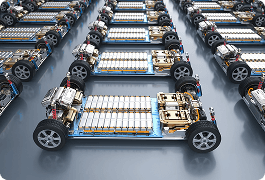
PUR-jacketed wires and automotive cable sheaths for use in charging systems, battery harnesses and engine compartments. -40°C cold start, oils and vibration tested.

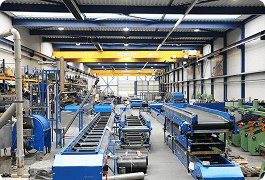
Industriële machines

Industriële machines

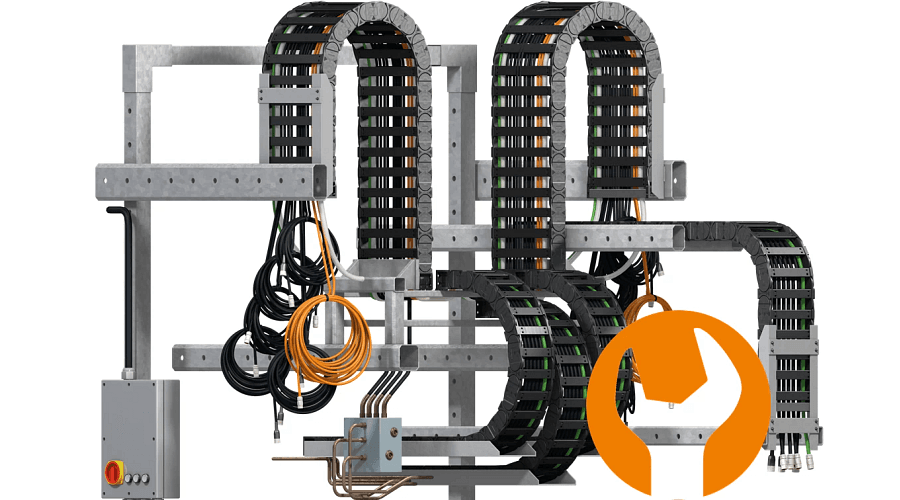
Machines for Industry PVC and PUR wires for control panels, robotics and conveyor systems. Buildings with drag-chain ratings can survive flex cycles of 10 million or more.

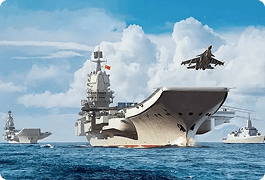
Aerospace & Defence

Aerospace & Defence

PEEK and Teflon wire and cable insulation and sheath options for airplanes, satellites and military electronics where weight is a concern. Withstands radiation, vacuum and extreme temperature swings with ease.

Medical & Life Science

Medical & Life Science

PFA and TPE insulated cables are used in the medical and life science industries for surgical instruments, imaging devices and diagnostic equipment. BPA free ISO 10993 compliant Compatible to autoclaves.

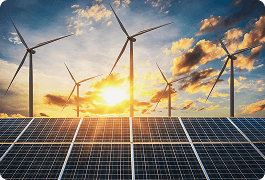
Energy & Renewables

Energy &
Renewables

XLPE and thermoplastic insulated cable designed for offshore substations, wind turbines and solar farms. It features reliable moisture-sealing performance, excellent UV stability and boasts a long service life of up to 25 years.

Construction & Infrastructure

Construction &
Infrastructure

Metal cable armoring and nonmetallic encased cable are construction and infrastructure options for building wiring, data centers and underground lines. We have grades that are resistant to rodents and fire.

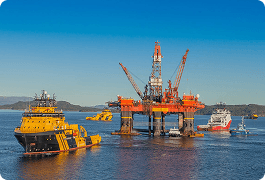
Marine & Offshore

Marine &
Offshore

Encased, durable oil and saltwater resistant cables for subsea connections, platform instrumentation and vessel control systems. Certified MIL-spec and fully LR-approved grades readily available in stock.

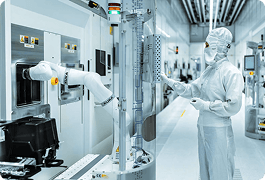
Semiconductor & Clean Room

Semiconductor &
Clean Room

Fluoropolymer cables and semiconductors with low outgassing are used in vacuum chambers and wafer fabrication facilities. Guarantees surfaces free from particle and ionic contamination.

Most Common Errors & Exact Solutions

Heat & Thermal Degradation

Error: Heat & Thermal Degradation

  • Normal PVC will melt and disintegrate at 70°C.
  • The dielectric strength of jacket materials decreases with increasing temperature.
  • The thermal cycling induces microcracks and embrittlement of the insulation.
  • And machines break down faster when it's hot.

Our solution

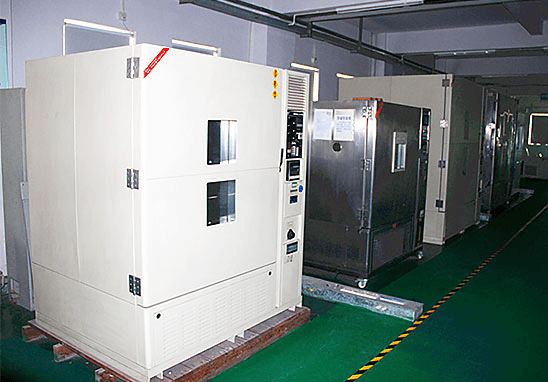
We supply silicone, PTFE, PFA and PEEK cables with no heat rating too high. These materials will not break down at any temperature. Fiberglass sleeving is a cheap way to add to the heat barrier. The two walls of the cable prevent the inner conductor from being overheated. All of our high temperature products are thermally aged by UL and the IEC prior to shipment.

Error: Chemical & Environmental Exposure

  • Common PVC and PE sheaths are susceptible to acids, solvents and oils.
  • The outer sheath becomes brittle and chalky under ultraviolet light.
  • Copper conductors are subject to corrosion in salt water and high humidity.
  • Food & pharmaceutical facilities use strong solutions that damage the insulation.

Our solution

Our wire and cable insulation and sheath options jackets are made of PUR and TPU and are resistant against oils, fuels and most industrial solvents. There are compounds resistant to the ultraviolet radiation for outdoor application. Fluoropolymer insulation (PFA and PVDF) is inert to chemically aggressive materials. In damp or salty conditions we also use tinned copper conductors to prevent rust and corrosion.

Chemical & Environmental Exposure
Mechanical & Flex Performance

Error: Mechanical & Flex Performance

  • Fixed-cable grades fall short rapidly in two areas: drag chains & robotic flex jobs.
  • The cold outdoor temperatures cause the stiff coats to snap.
  • The pressure of cable trays and clamps wears down the outer sheathing.
  • Repeated bending causes conductor fatigue & open circuits

Our solution

Our PUR and TPE flex cables survive drag chains and robot arms with more than 10 million bending cycles. The cold-flex grades keep their flexibility and elasticity even at temperatures down to -40°C. We have braided sheaths of nylon and polyester that will protect your cables against wear & tear. Our Class 5 and Class 6 finely stranded conductors are still bending smoothly without breakage after years of use.

Error: Compliance & Certification Gaps

  • Unapproved wire could result in product releases being delayed or failing audits.
  • If your project will cover many regions, then UL, CE and RoHS certifications are vital.
  • Medical and aeronautical specifications require the declareable traceability of materials.
  • With the addition of fire ratings the standards become more complicated.

Our solution

With each order you will receive the following certifications: UL, CE, RoHS, REACH, LSZH and CPR. Each order includes detailed test results and material safety data sheets. A compliance engineer is working hard to analyze your specifications as manufacturing is about to start. We keep full traceability records for 1 year as per ISO and AS9100 requirements.

Compliance & Certification Gaps
Specification & Sourcing Friction

Error: Specification & Sourcing Friction

  • Ambiguous specifications result in wrong materials ordering.
  • Production is disrupted by long lead times from offshore suppliers.
  • Minimum order quantities force unnecessary stock build-up
  • One supplier does not have all types of insulation and sheath.

Our solution

No more guessing what’s right for your content, our interactive selection matrix does it all for you. We carry inventory in-house so we can often shorten lead times to three to five business days. We provide custom compounds with a minimum order size of 50 meters so you receive precisely what you need. One account manager will handle all your insulation, sheathing and sleeving needs.

Bio-Plasticizers Match Petroleum in Strength

The compromise is no longer there. Once upon a time, high performance and sustainability were the same thing.

Bio-Plasticizers Match Petroleum in Strength

Today, bioplasticizers based on plant oils can match the dielectric strength of DINP and DIDP grades of petroleum-based PVC cable sheathing.

These green additives cut carbon footprint without cutting insulation performance, a huge win for producers chasing sustainability certifications and electrical safety permits.

Bio-plasticizers approved by ISCC+ and DIN CERTCO are now permitted for use in thermoplastic sheathed cables and flexible PVC composites.

Five years ago, bio-based additive formulations without halogens could not pass the IEC 60332 flame test. That is not the case now.

Today QL-Custom is poised to meet the demand for bio-based sheath chemicals being specified by large wind energy and electric vehicle customers as part of their supply chain decarbonization commitments.

All of the mechanical properties, such as cold bend, tensile strength and elongation at break are retained. There’s something different under the hood. Surface performance does not alter.

TPE and TPU base polymers are ideal for bio-based solutions, enabling fully recyclable cable assemblies that meet electrical codes and circular economy goals.

To make the transition to insulating compounds made from bio-based materials, there is no need to purchase new manufacturing machinery. The devices can be produced on existing extrusion lines with no modifications, which keeps the costs of transition low.

Bio-Plasticizers Match Petroleum in Strength

Compliance & Customization Engineering

We offer more than just wire and cable insulation and sheath options. Together, we plot a course for compliance. Every project goes through a technical evaluation before production.

UL 44, UL 83, UL 1277

Thermoplastic and tray cables meeting North American standards.

IEC 60227 / IEC 60245

The international standards for PVC and rubber insulated cables are IEC 60227 and IEC 60245, supported by test data.

RoHS 3 (EU 2015/863)

Verification of RoHS 3 (EU 2015/863) restricted substances and laboratory test results for all materials.

REACH SVHC checks

REACH SVHC inspections and declarations of substances of very high concern were performed on customer request.

CPR (EU 305/2011)

Building wire classification by fire performance (ECA, Dca and Cca) in compliance with CPR (EU 305/2011)

LSZH compound qualification

Low Smoke Zero Halogen (LSZH) Compound Qualification Sheath and Insulation for Trains, Tunnels and Data Centers.

Custom color matching

We offer RAL and Pantone matched extrusions with same-color batch consistency for custom color matching.

Custom wall thickness

We can engineer walls of any thickness for any outside diameter and wall type combination for your voltage and flex rating.

Dual marking and printing

Sequential footage, part numbers, voltage ratings and UL/CE emblems are printed on the jacket.

Prototype lead time

Development prototypes of new compounds are completed in 10-14 business days and a report provided prior to mass production.

Beoordelingen van klanten

★★★★★

We switched our entire EV harness line to QL-Custom's PUR jacket cables. The flex life doubled compared to our previous supplier, and the technical support during specification was outstanding.

Marcus Bauer

Marcus Bauer

★★★★★

We needed LSZH cable for a metro rail project at very short notice. QL-Custom had stock ready and shipped within 48 hours. The wire and cable insulation and sheath options passed all site acceptance tests first time.

Elena Petrova

Elena Petrova

★★★★★

QL-Custom's PEEK-insulated wires gave us the precision routing and thermal stability we needed for our satellite subsystem. Passing ESA environmental tests was much easier with their material data.

Isabelle Moreau

Isabelle Moreau

★★★★★

We source all our offshore platform instrumentation cable from QL-Custom. Their tinned-conductor, polyurethane-sheathed cables have survived three years of saltwater exposure with zero failures.

Kwame Asante

Kwame Asante

★★★★★

The custom colour-matched sheathing with printed part numbers has transformed our cable identification process on the production floor. Fewer errors, faster builds, and a cleaner finished product.

Li Wei

Li Wei

★★★★★

QL-Custom helped us navigate CPR fire ratings for a major building project. Their compliance team saved us weeks of back-and-forth with the certifying body. Highly recommend their service.

Leana Spades

Leana Spades

Connect with Most Reliable Supplier for More Accuracy

Connect with Most Reliable Supplier for More Accuracy

QL-Custom Technology Ltd. assists you with wire and cable insulation and sheath options. We combine a deep knowledge of materials science with rapid bespoke production. Our engineers collaborate with your design team to determine the best insulating compound, jacket material and sheath type to fit your specific voltage, temperature, flex and compliance needs. Here you will find silicone, PFA, PUR, TPE, PTFE, PVC and more than 20 other base compounds. With 40+ countries of service, we have satisfied clients in the automotive, aerospace, medical, energy, maritime and industrial sectors. From first sample to finished product, we have some of the fastest turnaround times in the business.